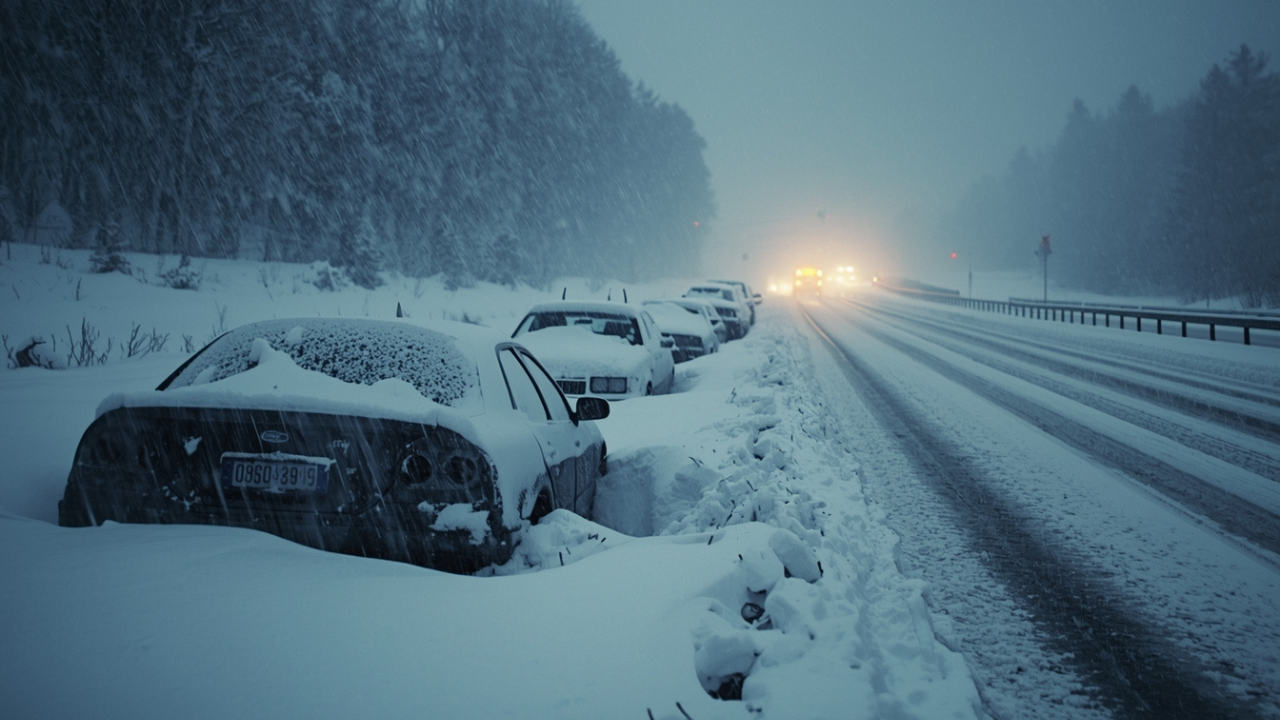
The first snowflakes often arrive quietly, drifting through the air like soft dust settling on untouched surfaces. For many, it feels peaceful, even beautiful. Roads glisten under streetlights, and neighborhoods slow down as winter settles in. But sometimes, what begins as a calm snowfall quickly evolves into a dangerous and disruptive weather event. Meteorologists are now warning that a powerful winter storm could bring between 48 and 72 inches of snowfall, threatening to shut down highways, airports, and essential transportation routes across affected regions.
This type of storm is not just another seasonal inconvenience. It has the potential to completely disrupt daily life, travel schedules, and emergency services, turning normal routines into serious safety challenges.
When Snowfall Turns from Scenic to Severe
At the early stages, snowstorms often appear almost magical. Children rush to windows, families prepare warm drinks, and communities anticipate the possibility of snow-covered landscapes. However, the situation changes rapidly once snowfall intensity increases.
Weather alerts such as “winter storm warning” signal that dangerous conditions are either already occurring or expected soon. In this case, predictions of snowfall reaching up to six feet can create life-threatening scenarios, especially when combined with strong winds and low visibility.
Drivers are usually the first to experience the storm’s growing intensity. Highways that once carried steady traffic begin to slow as visibility drops. Brake lights become the only visible guide through swirling snow clouds. Within hours, vehicles can become trapped, and even experienced drivers struggle to maintain control.
What makes these storms particularly dangerous is their unpredictability. Snowfall rates of two to four inches per hour can quickly overwhelm snow-clearing operations. Plow trucks work continuously, but heavy winds often push snow back onto cleared roads, making it difficult to maintain safe driving conditions.
How Heavy Snowfall Impacts Transportation Networks
Severe winter storms affect more than just local roads. They create a domino effect across the entire transportation system.
Highway Closures and Road Safety
When snowfall reaches extreme levels, highways often become impassable. Emergency responders may struggle to reach accident sites, forcing authorities to close major routes to prevent further incidents. Multi-vehicle collisions become more likely due to icy surfaces and reduced visibility.
Commercial transportation is also severely impacted. Freight trucks carrying essential goods often park along exit ramps or designated stopping areas, waiting for weather conditions to improve. This delay can disrupt supply chains, causing shortages in grocery stores and other retail outlets.
Airport and Flight Disruptions
Air travel is equally vulnerable during heavy snowstorms. Airports rely on constant runway clearing, aircraft de-icing, and sufficient visibility to maintain operations. When snowfall intensifies, maintaining these safety standards becomes nearly impossible.
Flights may be delayed, rerouted, or canceled entirely, leaving thousands of passengers stranded. In severe cases, airport operations may shut down completely until weather conditions stabilize.
Public Transport Interruptions
Bus services and rail systems also face operational challenges during major storms. Snow accumulation can block routes, damage infrastructure, and create safety hazards for passengers. Many transit authorities suspend services to prevent accidents and ensure public safety.
The Real-Life Impact of Major Snowstorms
Historical winter storms demonstrate how quickly conditions can escalate. Regions that have experienced heavy lake-effect snowfall or mountain blizzards often describe sudden and dramatic changes.
In several past incidents, drivers began their journeys during light snowfall but found themselves trapped hours later when snow accumulation exceeded predictions. Vehicles became buried under drifts, and rescue operations took hours or even days due to blocked access routes.
Local communities also face significant challenges during such storms. Grocery shelves empty quickly as residents prepare for extended indoor stays. Schools and workplaces close, and emergency services shift their focus toward rescue and safety operations.
Why Early Preparation Makes a Difference
Experts consistently emphasize that early decision-making is one of the most effective ways to stay safe during a major winter storm. Adjusting travel plans 12 to 24 hours before peak snowfall can significantly reduce risk.
Travel Planning
If forecasts indicate severe snowfall, consider postponing or canceling non-essential travel. Leaving early or rescheduling appointments can prevent exposure to dangerous road conditions. Weather patterns can worsen faster than expected, making early action essential.
Vehicle Preparation
Drivers who must travel should ensure their vehicles are fully prepared. This includes checking fuel levels, windshield fluid, and tire condition. Parking vehicles in accessible areas can also prevent them from becoming trapped by plowed snowbanks.
Home Readiness
Indoor preparation is equally important. Charging mobile devices, storing flashlights in accessible locations, and keeping blankets ready can provide comfort during potential power outages. These simple steps help families remain safe and prepared without creating unnecessary panic.
Essential Emergency Supplies for Drivers
Traveling during severe winter storms should always involve emergency preparedness. Experts recommend keeping a basic survival kit inside the vehicle, especially when heavy snowfall is forecast.
Important items include:
- Warm clothing such as gloves, hats, jackets, and extra socks
- Non-perishable food and bottled water
- Ice scraper and small shovel
- Traction materials like sand or kitty litter
- Mobile phone charger and power bank
- Reflective hazard triangle or bright cloth for visibility
While many drivers may overlook these preparations during normal winter conditions, such equipment can become life-saving during extreme storms.
Understanding the Psychological Impact of Severe Weather
Winter storms do more than disrupt travel; they also reshape daily routines and social interactions. When transportation systems shut down, communities often adapt in unexpected ways.
Families spend more time indoors, engaging in activities such as board games, reading, or cooking together. Neighbors often assist one another with snow removal, strengthening community bonds. Social media and messaging groups become platforms for sharing weather updates, road conditions, and safety advice.
Despite the inconvenience, these moments highlight the resilience and cooperation that often emerge during natural challenges.
Safety Should Always Come First
One of the most important lessons from past winter storms is the value of prioritizing safety over convenience. Many individuals delay adjusting travel plans until conditions worsen, increasing their chances of becoming stranded.
Weather warnings exist to help people make informed decisions. Canceling or rescheduling a trip may feel disappointing, but it significantly reduces exposure to dangerous conditions. Emergency responders frequently emphasize that avoiding unnecessary travel helps them focus on critical rescue operations.
Frequently Asked Questions
1. What does a winter storm warning mean for travel?
It indicates that severe winter weather is either occurring or expected soon, and travel may become dangerous or impossible.
2. Is it safe to start a long journey if heavy snow is predicted later?
Experts generally recommend avoiding long-distance travel if severe snowfall is forecast, as weather conditions can deteriorate rapidly.
3. How much snowfall leads to highway closures?
Closures depend on snowfall intensity, wind speed, and road safety conditions. However, snowfall exceeding two feet often leads to significant travel disruptions.
4. What emergency supplies should drivers keep during winter storms?
Drivers should carry warm clothing, food, water, snow removal tools, traction materials, and communication equipment.
5. When do airlines decide to cancel flights during storms?
Airlines monitor weather forecasts continuously and typically cancel flights when runway safety, aircraft operations, or visibility standards cannot be maintained.
Conclusion
Severe winter storms serve as a reminder of nature’s power to disrupt modern infrastructure. Snowfall totals reaching up to 72 inches can bring transportation networks to a standstill, affecting highways, flights, and public transit systems. However, informed planning and early preparation can significantly reduce risk and ensure personal safety.
Understanding weather warnings, preparing emergency supplies, and adjusting travel plans are essential steps during extreme winter conditions. While such storms may temporarily slow daily life, responsible decision-making helps communities remain safe and resilient until conditions improve.