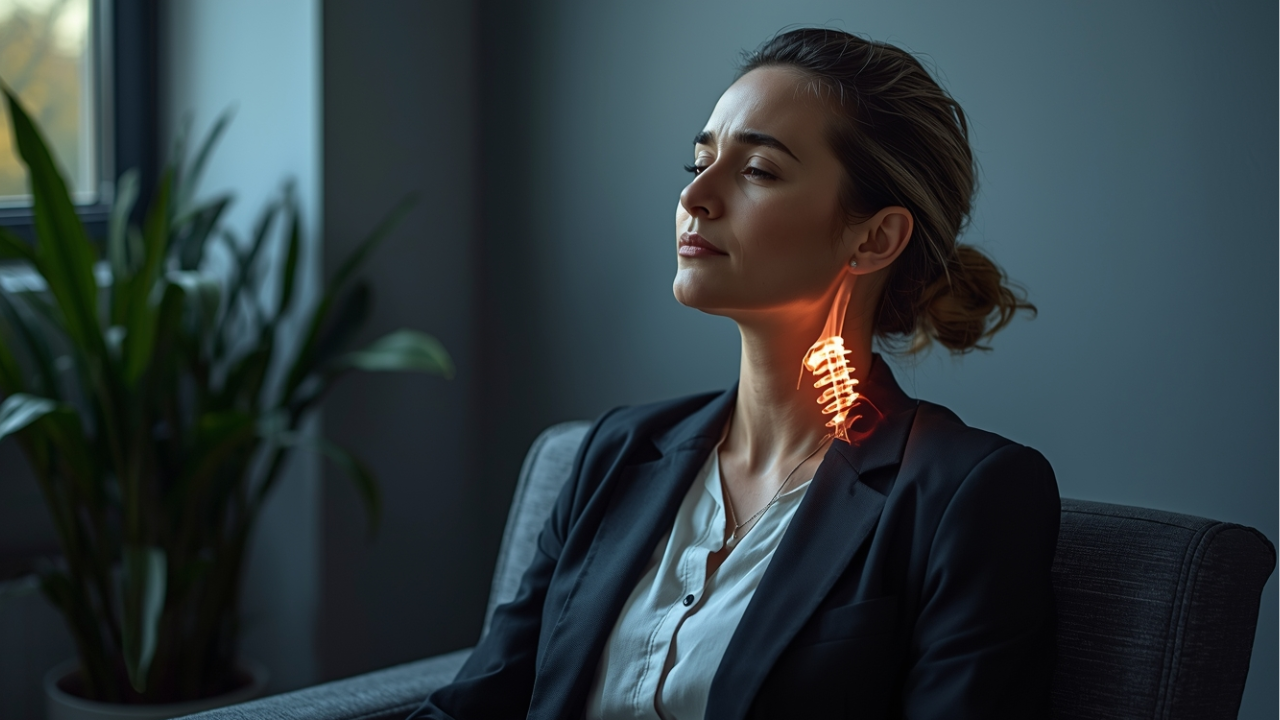
A patient sits calmly in a clinic chair. She speaks clearly, smiles politely, and insists she is managing life well. Yet her pulse runs fast, her shoulders feel permanently tight, and sleep has become restless and shallow. Situations like this are increasingly common in modern healthcare. Many people feel emotionally composed but still experience physical symptoms linked to chronic stress.
Medical experts now understand that stress does not always feel dramatic or overwhelming. In many cases, it operates quietly in the background. The mind may feel organized and in control, while the body continues reacting as if danger is constant. This disconnect between mental calmness and physical stress is one of the most overlooked health challenges today.
When the Body Sounds the Alarm Quietly
Chronic stress rarely begins with a sudden breakdown. Instead, it usually starts with subtle signals that gradually intensify. Early symptoms may include mild back tension, occasional digestive discomfort, or difficulty falling asleep. Because these symptoms appear manageable, people often ignore them.
The brain is skilled at rationalizing pressure. It may label ongoing responsibilities as normal daily life. Meanwhile, the body continues operating like a computer running too many background programs without shutting down.
Over time, medical markers such as blood pressure, heart rate, digestion, or skin health may reveal signs of prolonged stress. Many patients are surprised when doctors detect stress-related issues even though they do not feel emotionally overwhelmed.
How Chronic Stress Works Inside the Body
The body’s stress response is controlled by the autonomic nervous system. When the brain detects a threat—whether physical or emotional—it activates the sympathetic nervous system. This triggers the release of stress hormones such as cortisol and adrenaline.
These hormones prepare the body for survival by:
- Increasing heart rate
- Raising blood pressure
- Redirecting blood flow to muscles
- Reducing digestion and repair processes
In short bursts, this reaction is healthy and protective. However, modern stress rarely disappears quickly. Emails, financial pressure, work responsibilities, and relationship concerns create continuous low-level triggers.
The mind can adapt to this pace and interpret it as normal. The body, however, cannot easily distinguish between emotional pressure and physical danger. As a result, it remains in prolonged alert mode.
Why You May Feel Calm While Your Body Feels Overloaded
The brain uses cognitive filters to manage emotional stress. Over time, people learn to suppress anxiety and focus on productivity. This mental adaptation creates the illusion of calmness.
The body operates differently. It responds to physiological signals rather than logical interpretation. If stress hormones remain elevated, muscles stay tense, sleep becomes lighter, and digestion slows—even if the person feels emotionally stable.
This mismatch creates the unusual situation where individuals appear calm and functional but develop physical symptoms such as:
- Frequent headaches or migraines
- Jaw or neck tension
- Irregular heartbeat sensations
- Digestive disturbances
- Chronic fatigue
- Difficulty achieving deep sleep
Studies have shown that many individuals with chronically elevated cortisol levels do not perceive themselves as stressed. They simply describe their lifestyle as busy or demanding.
The Hidden Risks of Long-Term Stress
Chronic stress does more than create temporary discomfort. Over time, it can alter the body’s baseline functioning. Medical research links prolonged stress exposure to increased risks of:
- High blood pressure
- Cardiovascular disease
- Depression and burnout
- Chronic inflammation
- Weakened immune response
- Sleep disorders
The body begins operating in a constant “standby crisis” mode. During the day, it overreacts to small triggers. At night, it struggles to fully relax, preventing proper recovery and cellular repair.
Because symptoms develop gradually, many individuals believe their health decline appears suddenly. In reality, the body may have been signaling overload for months or years.
Recognizing Hidden Stress Through Body Awareness
One of the most effective ways to identify chronic stress is through simple body check-ins. These short awareness exercises help people notice physical tension that the mind may ignore.
A basic body scan takes less than one minute:
- Sit quietly and take a slow breath.
- Scan your body from head to toe.
- Notice jaw tension, shoulder tightness, or stomach discomfort.
- Observe sensations without trying to change them.
Practicing these check-ins two or three times daily helps reveal hidden stress patterns. Many people discover that their mental calmness does not match their physical tension levels.
The Power of Micro-Breaks for Stress Recovery
Many stress management programs focus on major lifestyle changes such as intensive exercise or long meditation sessions. While helpful, these approaches can feel unrealistic during busy schedules.
Experts increasingly recommend micro-breaks designed specifically for nervous system recovery.
A simple technique involves:
- Setting three daily reminders
- Pausing work for two to three minutes
- Placing both feet firmly on the floor
- Taking ten slow breaths through the nose
- Allowing shoulders and jaw muscles to relax
These brief interruptions signal safety to the nervous system. Over time, they can reduce chronic stress activation without requiring drastic schedule changes.
Why Small Daily Adjustments Often Work Better
Many individuals attempt to manage stress by creating strict wellness routines that are difficult to maintain. Large commitments often fail because they add pressure instead of reducing it.
Small adjustments, such as extending relaxing activities already present in daily life, can be more effective. For example:
- Spending extra minutes walking outdoors
- Cooking slowly without distractions
- Listening to music or playing an instrument
- Taking a longer shower or stretching session
These familiar activities naturally encourage relaxation and help regulate stress hormones.
A Practical Stress Awareness Method
Healthcare professionals often recommend a simple tracking method:
- Notice a physical stress signal (such as rapid heartbeat).
- Identify the potential trigger (work conflict, deadline, or emotional tension).
- Introduce a small calming response (stepping outside or breathing exercises).
- Record when symptoms occur repeatedly.
This awareness transforms stress from a vague sensation into a manageable pattern.
Understanding Stress as a Protective Response
Stress is not a personal failure. It is a survival mechanism designed to protect the body. Chronic stress develops when modern lifestyles create continuous demands without sufficient recovery.
The body uses symptoms as communication signals. Muscle tension, digestive discomfort, or sleep disturbances often indicate imbalance between effort and recovery. Ignoring these signals can lead to more severe health consequences over time.
Creating Real Calmness for Mind and Body
True relaxation involves aligning mental and physical states. Many people believe watching television or scrolling on their phone helps them relax. However, these activities may distract the mind without calming the nervous system.
Genuine relaxation often involves:
- Deep breathing
- Physical stillness
- Gentle movement such as walking or stretching
- Emotional connection with hobbies or loved ones
When both mind and body experience calmness simultaneously, recovery becomes more effective.
Key Takeaways
| Key Concept | Explanation | Benefit |
|---|---|---|
| Mind-body disconnect | Mental calmness can exist alongside physical stress | Helps explain unexplained physical symptoms |
| Chronic stress activation | Nervous system remains in alert mode without obvious triggers | Encourages early symptom recognition |
| Micro-breaks and body scans | Short daily techniques reduce stress load | Practical and sustainable stress relief |
Frequently Asked Questions
How can I tell if my body is experiencing chronic stress?
Common signs include muscle tension, sleep disturbances, digestive issues, fatigue, or feeling physically restless despite emotional calmness.
Can ignoring stress cause long-term health problems?
Yes. Chronic stress increases risks for cardiovascular disease, immune dysfunction, and mental health conditions.
Is exercise enough to reduce stress?
Exercise helps significantly, but it must promote relaxation rather than become another performance pressure.
How long does it take to recover from chronic stress?
Recovery varies between individuals. Some notice improvement within weeks, while others may require several months of consistent lifestyle adjustments.
When should I consult a doctor about stress symptoms?
Seek medical evaluation if experiencing persistent chest pressure, severe sleep disturbances, chronic fatigue, or unexplained digestive or heart-related symptoms.
Conclusion
The human body often detects stress long before the mind acknowledges it. Chronic stress can develop quietly, creating physical symptoms even when individuals feel mentally stable. Understanding this disconnect allows people to respond earlier and protect their long-term health.
By practicing body awareness, introducing short recovery breaks, and adjusting daily routines gradually, individuals can help restore balance between mental calmness and physical well-being. Listening to the body’s signals is not a sign of weakness—it is one of the most reliable ways to maintain health in a demanding world.