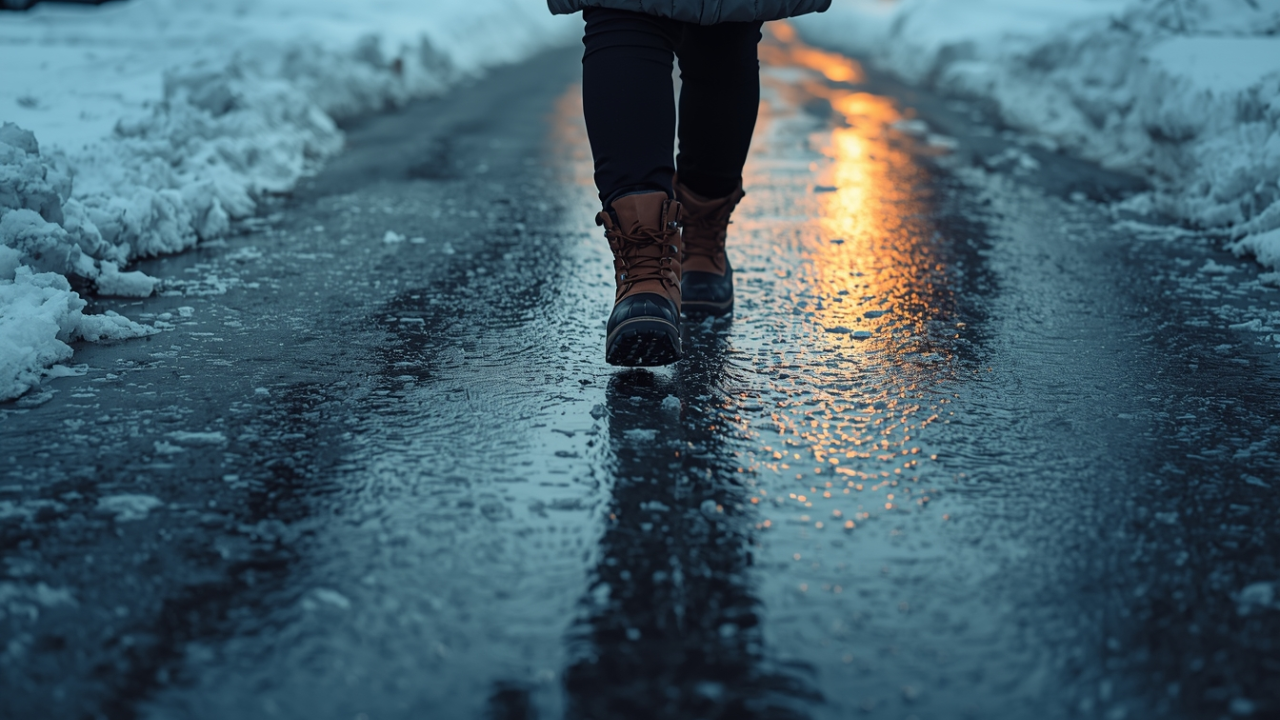
Winter brings scenic snowfall, festive vibes, and chilly weather. However, along with its beauty comes a hidden danger — black ice. Every year, thousands of people suffer injuries due to slips and falls caused by icy pavements and roads. Black ice is particularly dangerous because it is almost invisible, making it difficult to identify until it is too late.
Whether you are heading to work, walking to the market, or enjoying a winter stroll, understanding how to stay safe on icy surfaces can prevent serious injuries. Fortunately, a few smart habits and precautionary measures can significantly reduce your risk.
Let’s explore nine practical and expert-backed ways to stay safe on snow and ice.
Why Black Ice Is So Dangerous
Black ice forms when rain, melted snow, or water refreezes on roads and pavements. Unlike visible snow or frost, black ice is a thin, transparent layer of ice that blends with the surface beneath it. It often appears wet rather than frozen, making it extremely slippery and difficult to detect.
The danger increases when temperatures fluctuate around freezing levels. During the day, snow melts, and at night, the water refreezes into a slick, glass-like surface. This creates hazardous walking conditions that can cause severe injuries such as fractures, sprains, and head injuries.
1. Wear Shoes With Strong Grip
Your footwear plays a crucial role in winter safety. Shoes with smooth or leather soles provide very little traction on icy surfaces.
Choose winter boots that feature:
- Deep rubber tread patterns
- Soft rubber soles for better cold-weather grip
- High ankle support to improve balance
For extremely icy conditions, consider using traction cleats or ice grips. These attach to your shoes and provide additional stability, significantly reducing the chances of slipping.
2. Walk on Fresh Snow Instead of Icy Paths
Many people assume that walking on fresh snow is more dangerous than walking on cleared pathways. Surprisingly, fresh snow often provides better traction because it contains air pockets that create grip.
Compacted snow or polished ice, especially in high-traffic areas, is far more slippery. Walking along less-traveled edges or areas covered with fresh snow can improve stability.
3. Use the “Penguin Walk” Technique
When walking on icy surfaces, normal walking styles increase the risk of falling. The “penguin walk” technique is widely recommended by safety experts.
Follow these steps:
- Take short, slow steps
- Keep your feet slightly apart
- Place your entire foot flat on the ground
- Lean slightly forward to maintain balance
This posture keeps your center of gravity stable and reduces the chances of sudden slips.
4. Carry Bags on Your Back
Handbags and shoulder bags can throw off your balance when walking on ice. If they swing unexpectedly, they may cause you to lose stability.
Using a backpack distributes weight evenly and keeps your hands free for balance or support. Adjust straps properly to ensure the bag stays close to your body.
5. Stay Alert and Walk Slowly
Rushing is one of the main reasons people slip during winter. Always give yourself extra time when traveling in icy conditions.
Safety tips include:
- Watch the ground several steps ahead
- Test each step before shifting full weight
- Avoid sudden turns or quick movements
Slowing down significantly reduces the risk of falls and injuries.
6. Keep Your Hands Out of Your Pockets
Walking with hands inside pockets might feel warm, but it prevents you from reacting quickly if you slip.
Keep your hands free and slightly extended for balance. Wearing insulated gloves allows you to stay warm while maintaining mobility. If you fall, free hands can help reduce impact and protect your head and body.
7. Choose Sunlit and Less Shaded Paths
Ice forms more frequently in shaded areas where sunlight cannot melt frozen surfaces. Pavements receiving sunlight often provide better walking conditions.
When possible:
- Walk on brighter, sunlit sides of streets
- Avoid dark alleys and shaded walkways
- Be extra cautious on stairs, ramps, and slopes
Always use railings when walking on steps during winter.
8. Use Walking Poles or Support Tools
Walking poles are extremely helpful during icy weather. They provide additional stability by distributing weight across multiple contact points.
Options include:
- Trekking poles for long walks
- Adjustable walking sticks for daily use
- Ice-tip canes for extra support
These tools are particularly useful for elderly individuals or those with balance issues.
9. Learn How to Fall Safely
Even with precautions, slips can still occur. Knowing how to fall safely can reduce injury severity.
If falling forward:
- Bend elbows and land on forearms instead of wrists
- Tuck your chin to protect your head
- Try to roll rather than absorb full impact
If falling backward:
- Avoid extending hands behind you
- Try landing on hips or thighs
- Keep arms slightly to the side
Practicing safe falling techniques on soft surfaces can improve reflexes during real situations.
Additional Winter Safety Tips
Plan Your Route in Advance
Busy streets are usually cleared or salted faster than quiet roads. Avoid steep slopes and shortcuts that may remain icy.
Check Weather Updates
Monitoring weather forecasts helps you prepare for dangerous icy conditions. Local authorities often release road and pavement safety alerts.
Understand Wind Chill Impact
Strong winds lower body temperature and reduce muscle flexibility. Wearing proper winter clothing improves movement and reflexes.
Common Injuries Caused by Slips on Ice
Black ice accidents often lead to:
- Wrist fractures
- Hip injuries
- Head trauma
- Muscle sprains
- Back injuries
Taking preventive measures can significantly lower the chances of these serious health risks.
Why Winter Walking Safety Matters
Many people underestimate the danger of icy pavements. However, studies show that winter slips and falls result in thousands of hospital visits each year. Safety experts emphasize that most of these accidents are preventable through awareness and proper precautions.
Simple changes such as choosing proper footwear, slowing down, and staying alert can dramatically improve winter safety.
Conclusion
Black ice is one of the most dangerous yet overlooked winter hazards. Because it is difficult to see, it often catches pedestrians off guard. However, adopting safe walking techniques, wearing proper footwear, and staying alert can greatly reduce the risk of injury.
Winter walking does not have to be dangerous. By following these nine smart safety strategies, you can confidently navigate icy pavements while protecting yourself and your loved ones.
Preparedness, patience, and awareness are the keys to staying safe throughout the winter season.