For decades, rocket launches have symbolized humanity’s journey into space—massive engines, roaring flames, and thick clouds of smoke marking liftoff. However, a groundbreaking technological concept is now challenging this traditional method. A California-based company is developing a futuristic space launch system capable of sending satellites into orbit without using conventional rocket fuel.
This innovative technology, developed by SpinLaunch, relies on mechanical energy rather than chemical propulsion. If successful, it could dramatically reduce space launch costs, increase launch frequency, and minimize environmental impact. The idea may sound like science fiction, but the physics behind it is very real.
What Is SpinLaunch and How Does It Work?
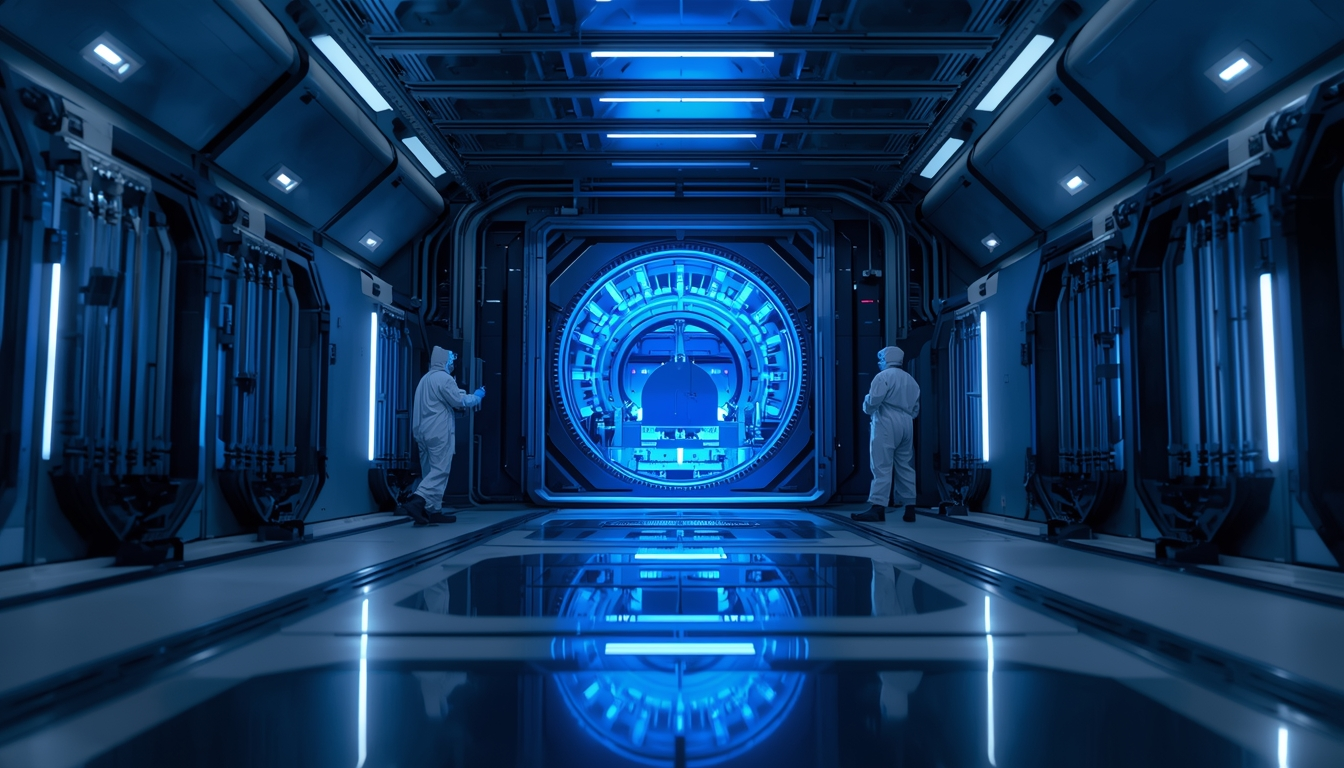
SpinLaunch is an aerospace company designing a space launch system that replaces rockets with a giant rotating mechanical launcher. Instead of burning fuel to escape Earth’s gravity, this system stores energy in a spinning rotor and releases it instantly to propel satellites into the upper atmosphere.
The Launch Mechanism
The system consists of:
- A massive vacuum chamber
- A rotating arm powered by electric motors
- A launch barrel aimed toward the sky
Inside the chamber, the payload spins at extremely high speeds. Once it reaches the required velocity, a hatch opens and the satellite is released through the launch tube, shooting upward toward space.
Why This System Is Different From Traditional Rockets
Traditional rockets rely on combustion. They burn fuel continuously to generate thrust and overcome gravity. SpinLaunch reverses this approach by storing energy beforehand using electricity.
Key Differences
| Feature | Traditional Rockets | SpinLaunch System |
|---|---|---|
| Energy Source | Chemical Fuel | Electrical Energy |
| Launch Duration | Several Minutes | Fraction of a Second |
| Emissions | Carbon dioxide and soot | No combustion emissions |
| Hardware | Multi-stage rockets | Mechanical launcher + small rocket stage |
| Launch Frequency | Limited launches | Multiple launches daily (planned) |
The Goal: Five Satellite Launches Per Day
One of the most ambitious aspects of this technology is launch frequency. SpinLaunch aims to perform up to five launches daily using its orbital launcher system.
This high launch rate could revolutionize space access by:
- Lowering launch costs
- Allowing rapid satellite deployment
- Enabling frequent satellite replacement
- Supporting global communication networks
Current rocket systems cannot match this level of operational speed.
The Role of Electricity Instead of Fuel
SpinLaunch uses electric motors to spin the launch arm. This means the system can be powered by renewable energy sources such as solar or wind power. Eliminating chemical combustion reduces direct atmospheric pollution during launches.
However, the environmental benefit depends heavily on how the electricity is generated. Renewable power sources maximize sustainability, while fossil-fuel-based electricity reduces overall environmental gains.
The Physics Challenge: Extreme G-Forces
While the concept offers several advantages, it introduces serious engineering challenges. The most significant obstacle is acceleration force.
Understanding 10,000 G
SpinLaunch payloads may experience forces up to 10,000 times Earth’s gravity during launch. For comparison:
- Humans lose consciousness around 9 G
- Military equipment withstands hundreds of G
- Most traditional satellites cannot survive such stress
To solve this problem, engineers must design specialized satellites capable of surviving intense mechanical pressure.
A New Generation of Satellite Design
SpinLaunch is developing compact microsatellites built specifically for its system. These satellites differ from traditional designs in several ways.
Satellite Characteristics
- Flattened disk-like structure
- Reduced moving parts
- Rugged electronic components
- Lightweight construction
- Stackable launch configuration
Each satellite weighs approximately 70 kilograms and can be launched alongside multiple units within a single payload capsule.
Advantages of Mass Satellite Production
The company’s strategy focuses on standardizing satellite production. Instead of building custom satellites for each mission, manufacturers could produce identical units at scale.
Benefits include:
- Reduced manufacturing costs
- Faster satellite deployment
- Improved replacement cycles
- Increased reliability through repeatable designs
This approach mirrors consumer electronics manufacturing rather than traditional aerospace engineering.
How SpinLaunch Completes Orbit
While the mechanical launcher handles the initial ascent, a small onboard rocket engine still plays a role. Once the payload reaches the upper atmosphere, this secondary propulsion system activates to stabilize and position the satellite into final orbit.
This hybrid approach reduces fuel requirements while maintaining precise orbital placement.
Environmental Benefits of Fuel-Free Launches
Rocket launches release greenhouse gases and soot into high-altitude atmospheric layers where pollutants linger longer. SpinLaunch offers potential environmental advantages.
Potential Environmental Benefits
- Reduced carbon emissions
- Elimination of combustion exhaust
- Lower atmospheric pollution
- Ability to integrate renewable energy
If implemented successfully, this technology could significantly reduce the environmental footprint of satellite launches.
Risks and Technical Challenges
Despite its promise, the system faces multiple engineering and regulatory challenges.
Engineering Challenges
- Protecting satellites from extreme acceleration
- Managing heat generated during high-speed atmospheric entry
- Ensuring stable trajectory control
- Designing reliable onboard rocket ignition after launch
Regulatory Challenges
- Airspace safety restrictions
- Risk management for failed launches
- Space debris control
- International satellite traffic regulation
The Impact on Space Industry Economics
The most disruptive potential lies in cost reduction. SpinLaunch aims to lower launch costs to approximately $1,250 to $2,500 per kilogram, significantly cheaper than many traditional small satellite launch systems.
Lower costs could:
- Expand satellite internet coverage
- Improve climate monitoring systems
- Support agriculture and disaster tracking
- Increase scientific research opportunities
Space access could shift from occasional launches to regular industrial-scale deployment.
Concerns About Space Congestion
Cheaper and more frequent launches may increase satellite traffic in low Earth orbit. Experts warn about the risk of the Kessler Syndrome, where collisions between satellites create debris that triggers further collisions.
However, improved launch frequency could also help remove old satellites faster, balancing orbital sustainability if managed responsibly.
Possible Applications of Mechanical Launch Technology
SpinLaunch’s system is best suited for small and durable payloads rather than large spacecraft or human missions.
Potential Uses
- Global broadband satellite constellations
- Weather and climate observation satellites
- Space debris monitoring
- Military and emergency communication systems
- Experimental satellite technology testing
Human spaceflight remains unlikely with current technology due to extreme acceleration forces.
Why This Technology Could Transform Space Exploration
The aerospace industry is constantly searching for cheaper and more sustainable launch methods. SpinLaunch introduces a radically different perspective by focusing on mechanical energy storage rather than chemical propulsion.
If successful, it could:
- Shorten satellite development cycles
- Increase private sector space participation
- Encourage new satellite service industries
- Improve disaster response technologies
- Enhance global connectivity
The Future of Space Launch Innovation
SpinLaunch is part of a broader movement exploring alternative launch technologies. Other experimental concepts include reusable rockets, air-launch vehicles, and space tether systems. Each technology attempts to reduce cost and improve efficiency.
The centrifugal launcher stands out because it relies on proven engineering principles such as high-speed rotation and vacuum technology rather than experimental physics.
Conclusion
SpinLaunch represents one of the most futuristic and ambitious attempts to change how satellites reach space. By replacing rocket fuel with rotational energy, this innovative system promises faster launches, lower costs, and reduced environmental impact.
However, the technology still faces significant engineering, regulatory, and safety challenges. Whether it becomes the future of space launch or remains a specialized solution will depend on upcoming orbital test results and satellite durability improvements.
If successful, this mechanical space cannon could transform satellite deployment, making access to orbit faster, cleaner, and more affordable than ever before.