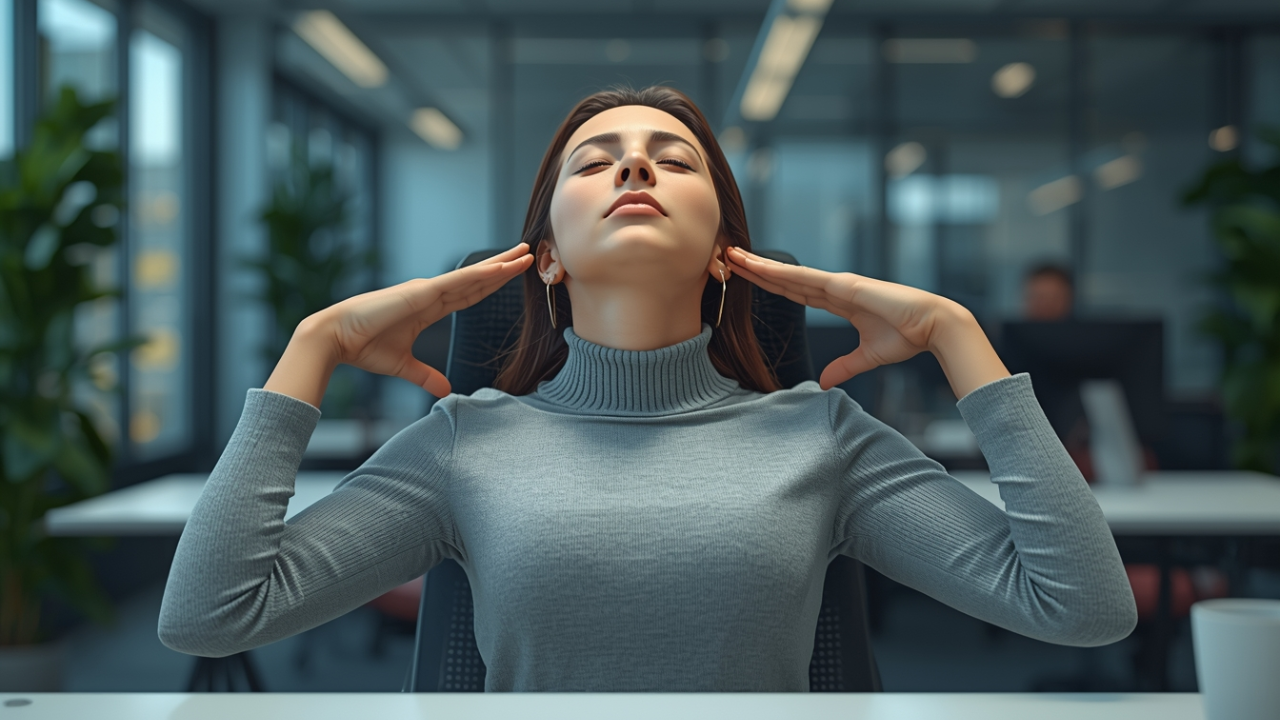
There’s a strange moment many of us experience but rarely talk about. It happens when stress doesn’t arrive loudly. It slips in slowly — through tight shoulders, clenched jaws, shallow breathing, and racing thoughts that never seem to pause.
You might notice it while standing in a grocery store queue, replying to emails, or sitting in traffic. Everything looks normal from the outside. But inside, your body feels like it’s holding pressure it never signed up for.
Most people ignore that feeling. They push through one more notification, one more task, one more worry. But sometimes, relief doesn’t need a vacation, therapy session, or expensive wellness routine.
Sometimes, your body just needs a small reset — and it only takes about a minute.
The Quiet Warning Your Body Sends Before Stress Takes Over
Stress doesn’t suddenly explode. It usually builds in tiny, unnoticed signals.
Your breathing becomes short and shallow.
Your shoulders slowly creep upward.
Your neck stiffens.
Your mind begins jumping from one worry to another like multiple browser tabs running at once.
Your nervous system is trying to tell you something important: slow down.
But modern routines rarely allow that pause. People scroll during meals, answer messages late at night, and carry emotional tension from morning meetings into bedtime. Over time, stress becomes unfinished business inside the body.
That’s where a simple reset becomes powerful.
Why A Small Pause Can Change Your Entire Stress Response
Many people believe stress relief begins in the mind — by thinking positively or distracting themselves. But science shows stress is deeply physical. Your body enters survival mode when it senses danger, even if the “danger” is just work pressure or deadlines.
During stress:
- Heart rate increases
- Muscles tighten
- Breathing becomes shallow
- Digestion slows down
- Alertness spikes
The reset technique works because it speaks directly to your body instead of your thoughts. When you control your breathing pattern, your nervous system receives a signal that it is safe to relax.
A long exhale activates the body’s calming system and reduces physical tension surprisingly quickly.
The 60-Second Micro-Reset Technique
This method is simple, natural, and doesn’t require equipment, apps, or training. It can be done anywhere — at your desk, in a car, or even while waiting in line.
Step 1: Pause Your Movement
Stop whatever your hands are doing. Put your phone down. Remove your hands from the keyboard or steering wheel. This physical pause tells your brain something different is happening.
Step 2: Feel Physical Support Around You
Notice where your body touches something — your feet on the floor, your back against a chair, or your hands resting on a table. Let your weight sink slightly deeper into that support.
Step 3: Practice the Double-Inhale Breath
Take a small breath through your nose.
Then take another quick inhale on top of it.
Now release a slow, long exhale through your mouth.
Repeat this cycle two or three times.
That’s it.
Why This Breathing Pattern Works So Fast
The double inhale followed by a long exhale helps balance oxygen and carbon dioxide levels in the body. This pattern naturally slows heart rate and relaxes muscles.
More importantly, it stimulates the vagus nerve — the communication pathway between your brain and internal organs that controls relaxation.
Instead of forcing yourself to “feel calm,” you allow your biology to guide the process.
Common Mistakes People Make While Trying Stress Resets
Many people try relaxation techniques but unknowingly add more pressure. Some common mistakes include:
- Trying to breathe too forcefully
- Expecting instant dramatic results
- Treating relaxation like another performance task
- Holding stomach muscles tight instead of allowing them to relax
Stress release works best when breathing remains gentle and natural.
The Secret To Making This Reset A Daily Habit
The biggest challenge is remembering to pause. The easiest way to build consistency is by attaching the reset to daily triggers.
You can try doing it:
- Every time you stop at a traffic light
- Before replying to stressful messages
- When opening your laptop
- After finishing a difficult conversation
Keeping the reset short — around 30 to 60 seconds — makes it easier to repeat throughout the day.
Focus On Releasing One Body Area At A Time
Instead of trying to relax your entire body at once, choose one area to release during each breath cycle.
You can focus on:
- Dropping your shoulders
- Loosening your jaw
- Softening your stomach
- Relaxing your forehead
This teaches your body how relaxation actually feels, which improves your natural stress response over time.
What Happens When You Practice This Regularly
Interestingly, life does not suddenly become stress-free. Deadlines remain. Responsibilities stay. Difficult conversations still occur.
But your reaction to pressure begins to change.
You may notice your shoulders relaxing automatically during tense moments. Sleep might become easier because your body no longer carries unfinished stress into the night. You may even begin recognizing situations or habits that trigger anxiety faster.
These small observations help you regain control over your stress patterns.
Stress Doesn’t Need To Disappear — It Needs A Release Path
Many people believe managing stress means eliminating it completely. That isn’t realistic. Stress is part of everyday life.
The real goal is allowing your body to complete the tension cycle instead of staying trapped in alert mode for hours or days.
This reset gives your body permission to finish what stress starts — and that alone can significantly improve physical and emotional well-being.
Key Benefits Of The Micro-Reset Technique
| Key Point | Detail | Reader Benefit |
|---|---|---|
| Fast Nervous System Relaxation | 30–60 seconds of controlled breathing reduces stress signals | Quick calmness without major lifestyle changes |
| Body-Focused Stress Control | Uses breathing and posture instead of mental distraction | Helpful when positive thinking isn’t effective |
| Easy Daily Habit | Can be linked to regular routines | Builds long-term stress resilience |
Frequently Asked Questions
How often should I practice this reset?
You can use it multiple times daily. Even two or three resets can create noticeable benefits over time.
Can this help during panic attacks?
Yes, slow breathing can help reduce panic symptoms. However, severe anxiety should still be discussed with a healthcare professional.
What if breathing exercises make me feel dizzy?
Start slowly and avoid deep forceful breathing. If dizziness continues, stop and return to normal breathing.
Does this replace therapy or medication?
No. This technique supports stress management but does not replace professional medical or psychological care.
How long does it take to build a new stress response?
Some people feel changes within days, while others notice improvements after consistent practice for several weeks.
Conclusion
Stress often builds quietly inside the body before we consciously notice it. The micro-reset technique offers a simple and effective way to interrupt that buildup using breathing and posture awareness.
It doesn’t require time, money, or special training — only a short pause and a few intentional breaths. When practiced regularly, this small habit can help your body release tension naturally and improve how you handle everyday pressure.
Sometimes, relief doesn’t come from doing more. It comes from stopping — even for one minute.