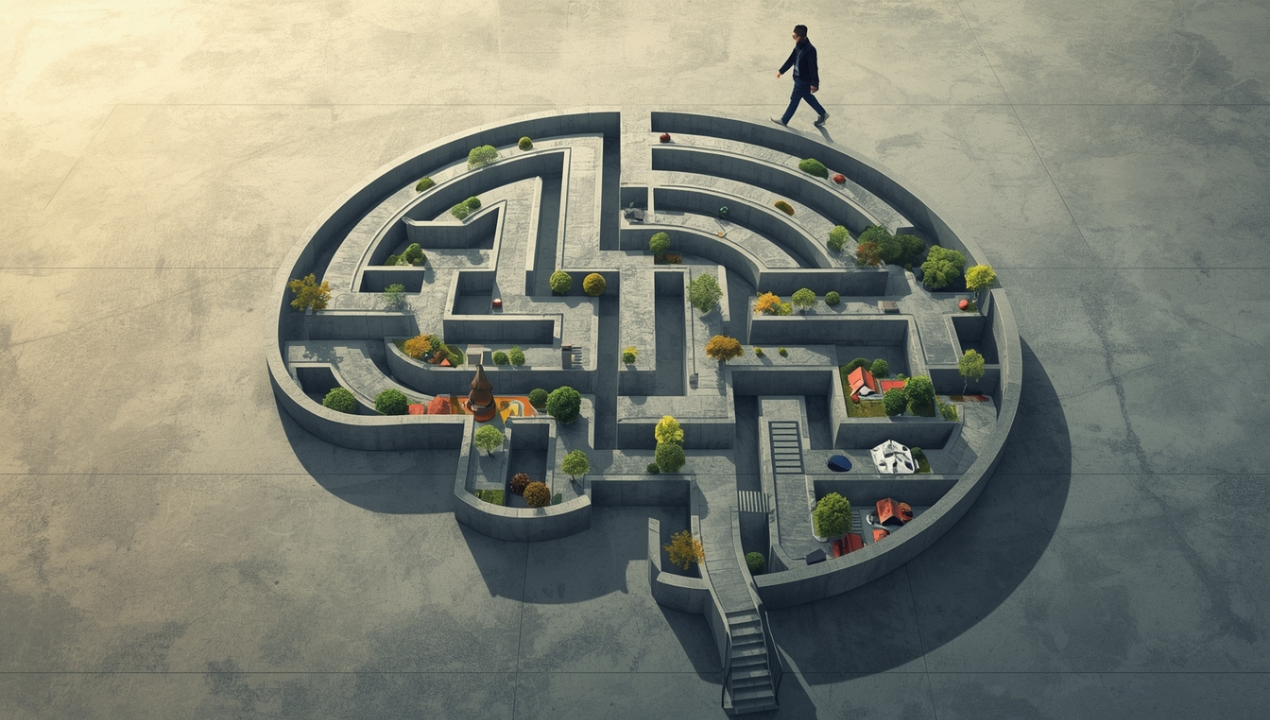
Every morning at the exact same time, you step outside, follow the familiar pavement, pass the same parked cars, cross the same street, and maybe even wave at the same neighbor walking their dog. It feels comforting — predictable, safe, and efficient.
But have you ever reached the end of your daily walk and realized you barely remember the journey?
You don’t recall noticing the weather, the new store sign, or the sound of birds in the distance. That strange mental blankness might seem harmless, but psychologists suggest it could be a subtle sign that your brain has shifted into autopilot mode.
Over time, repeating the same routine may quietly reduce your brain’s ability to adapt, notice changes, and respond creatively to new situations.
Why Your Brain Loves Routine
The human brain naturally seeks patterns. Repeating the same actions allows it to conserve energy by predicting what will happen next. When you walk the same route daily, your brain begins to memorize every corner, crossing signal, and obstacle.
This efficiency feels comforting because it reduces mental effort. You know exactly when the traffic light changes, where the uneven pavement lies, and which street smells like fresh coffee every morning.
However, this comfort has a hidden cost.
As the route becomes predictable, your brain stops scanning for new information. It reduces attention, curiosity, and problem-solving activity. Over time, this lack of stimulation may weaken mental flexibility — your ability to adjust quickly when circumstances change.
The Science Behind Familiar Paths and Brain Activity
Studies in cognitive neuroscience suggest that exploring new environments activates important brain areas, including the hippocampus and prefrontal cortex. These regions play essential roles in memory, learning, and decision-making.
When you repeatedly follow identical routes, these brain areas become less engaged. Similar to muscles that weaken without exercise, neural pathways responsible for adaptation may gradually become less responsive.
You might notice this effect in small everyday moments. When your usual road is blocked or your schedule suddenly changes, you may feel slightly irritated or disoriented, even if the disruption is minor.
That reaction could indicate that your brain has grown overly dependent on predictable patterns.
How Repetition Quietly Narrows Your Thinking Patterns
The brain constantly reorganizes itself based on how frequently certain pathways are used. When routines dominate daily life, the brain strengthens predictable thinking while reducing exploration and creativity.
Over months or years, this may create subtle behavioral changes:
- Increased resistance to unexpected changes
- Reduced curiosity about surroundings
- Higher mental fatigue when routines shift
- Difficulty adapting to new situations
Routine itself is not harmful. In fact, structured habits provide emotional stability and reduce stress. The risk appears only when routines become automatic and unquestioned.
Turning Your Daily Walk into Brain Training
Improving mental flexibility does not require major life changes. Small, intentional variations in daily routines can reactivate your brain’s exploratory systems.
One simple method is to change your walking route slightly. Even minor adjustments, such as choosing a different street or crossing the park diagonally instead of following a fixed path, can stimulate your mind.
These small variations signal your brain to remain alert and adaptive.
Urban planners often refer to informal walking shortcuts across grass as “desire paths.” Similarly, creating new mental pathways through minor routine changes helps maintain cognitive flexibility.
Easy Ways to Add Variety Without Extra Time
You don’t need to redesign your entire schedule to benefit from novelty. Small challenges can create meaningful mental stimulation.
Try Sensory Focus Days
Dedicate certain walks to paying attention to specific senses.
- One day focus on sounds around you
- Another day observe colors and architecture
- Another day notice smells and environmental textures
Introduce Micro-Changes
Every few days, make one small decision differently.
- Take a new alley or side street
- Walk at a slightly different time
- Pause briefly to observe surroundings
Walk Without Headphones Occasionally
Music and podcasts provide entertainment, but they reduce environmental awareness. Walking without audio once a week helps reconnect your senses with your surroundings.
Invite Someone Else to Choose the Route
Allowing another person to guide your walk introduces unpredictability and encourages mental adaptability.
The Psychological Power of Gentle Disruption
Experts suggest that the brain thrives on balancing patterns with novelty. While routines provide emotional comfort, occasional disruptions strengthen resilience and creativity.
When you intentionally alter your routine, you remind your brain that alternative paths exist. This strengthens problem-solving skills and improves emotional adaptability.
Even minor changes can encourage new neural connections, helping maintain long-term cognitive flexibility.
When Routine Is Helpful Instead of Harmful
It is important to remember that routines are not negative. For many people, daily habits provide structure, reduce anxiety, and create emotional grounding.
The goal is not to abandon routines but to keep them flexible.
Think of routines as supportive scaffolding rather than restrictive walls. Maintaining familiar habits while occasionally introducing variety allows your brain to stay comfortable yet adaptive.
Some days, following the exact same path may provide necessary relaxation. On other days, curiosity might encourage you to explore a new street or observe familiar surroundings with fresh attention.
Measuring Mental Flexibility Through Familiar Spaces
Mental flexibility is not defined by how often you travel to new places. It is defined by your willingness to notice change within familiar environments.
A street you walk daily can still feel new when you intentionally observe small details. A familiar park can reveal different sounds, colors, or people when viewed with curiosity.
The real challenge is recognizing when autopilot takes over and gently guiding yourself back toward awareness and exploration.
Simple Weekly Challenge to Strengthen Your Brain
Consider choosing one day each week as your “exploration walk.” Change at least 30 percent of your usual route or create a small observation challenge.
For example:
- Count unique door colors
- Identify different bird species
- Notice architectural patterns
- Observe changing weather effects
These small exercises can help strengthen attention, memory, and mental adaptability without increasing time or effort.
The Balance Between Comfort and Curiosity
Routine provides stability, but curiosity fuels growth. The healthiest mental pattern combines both elements.
By slightly adjusting daily habits, you allow your brain to remain calm while continuing to develop problem-solving and creative abilities.
The next time your feet begin following your usual route automatically, consider turning one corner earlier or pausing to notice something new. That simple decision could be enough to keep your mind flexible and engaged.
Key Takeaways
- Daily routines help the brain conserve energy but may reduce mental flexibility over time
- Exploring new environments activates memory and learning centers
- Small routine changes strengthen cognitive adaptability
- Balanced habits support both emotional comfort and curiosity
- Mindful awareness can transform familiar environments into stimulating experiences
Frequently Asked Questions
Is walking the same route daily harmful?
Not necessarily. However, long-term repetition without variation may reduce cognitive stimulation and adaptability.
How often should I change my walking routine?
Even changing your route once or twice a week can stimulate different brain functions.
Can listening to music affect mental awareness?
Music is fine, but occasional headphone-free walks improve sensory awareness and environmental attention.
Does this matter if I already have a mentally demanding job?
Yes. Physical navigation and sensory exploration stimulate different brain areas compared to desk-based cognitive tasks.
Can routines help with anxiety?
Absolutely. Routines provide emotional stability. The key is introducing small, low-stress variations rather than removing routines entirely.