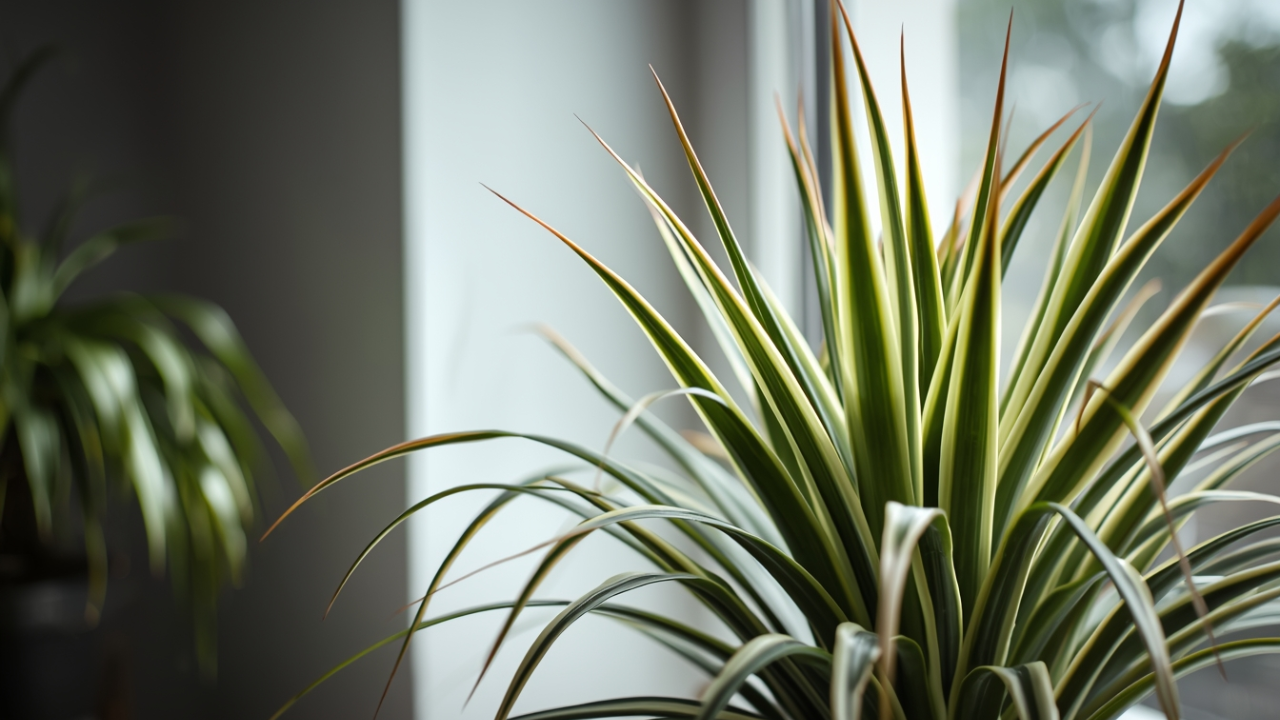
Spider plants are widely loved for their elegant arching leaves and easy-care reputation. However, even these beginner-friendly houseplants often develop dry brown leaf tips, leaving many plant owners confused and frustrated.
If your spider plant’s leaf ends look crispy or burnt, it’s usually not random damage. Instead, it’s your plant quietly signaling stress — most often related to watering habits, soil conditions, or water quality.
These brown tips don’t happen overnight. They usually appear slowly, reflecting repeated care routines that may not match what the plant truly needs.
The Real Reason Brown Tips Appear on Spider Plants
Brown leaf tips are typically the result of root stress, which can occur from inconsistent watering patterns or mineral buildup in the soil.
Common Causes Include:
1. Overwatering Followed by Dry Periods
Many people water heavily once a week and then allow the soil to dry completely. This cycle can shock the roots, causing leaf tip burn.
2. Underwatering
If the soil remains dry for extended periods, the plant cannot supply enough moisture to leaf edges, leading to dryness.
3. Tap Water Chemicals
Spider plants are sensitive to:
- Fluoride
- Chlorine
- Excess mineral salts
These chemicals accumulate in the soil over time, eventually showing up as brown leaf tips.
4. Poor Drainage
Water trapped in pots or saucers can suffocate roots, preventing proper nutrient absorption.
How to Water Spider Plants the Right Way
The biggest mistake plant owners make is watering based on a fixed schedule rather than soil condition.
Follow the “Soil Check” Method
Instead of watering weekly, check moisture levels first.
✔ Insert your finger about 2–3 cm into the soil
✔ If the top layer feels dry but slightly cool underneath, it’s watering time
✔ If soil still feels moist or the pot feels heavy, wait a few days
Proper Watering Technique:
- Water slowly and evenly
- Allow excess water to drain through drainage holes
- Empty the saucer after 10–15 minutes
- Always use room-temperature water
Why Water Quality Matters More Than You Think
Even if your watering schedule is perfect, poor water quality can still cause leaf tip browning.
Spider plants naturally push excess salts and chemicals to the tips of their leaves. Over time, these substances damage leaf cells and cause dryness.
Better Water Options:
- Filtered water
- Rainwater
- Tap water left uncovered overnight (reduces chlorine levels)
Switching water sources often prevents new leaves from developing brown edges.
Seasonal Watering Adjustments
Spider plants have different watering needs depending on environmental conditions.
| Season | Watering Frequency |
|---|---|
| Summer | Every 4–7 days (depending on light and heat) |
| Winter | Every 10–14 days (soil dries slower) |
Always prioritize soil moisture over fixed timing.
Should You Cut Off Brown Leaf Tips?
Yes — trimming brown tips is safe and helps improve plant appearance.
How to Trim Properly:
- Use clean, sharp scissors
- Follow the natural leaf shape while trimming
- Leave a very thin brown edge to avoid cutting healthy tissue
Keep in mind that trimming is cosmetic. The real solution lies in correcting watering and soil conditions.
Additional Care Tips for Healthy Spider Plants
Repot Regularly
Repot every 1–2 years to remove salt buildup and refresh nutrients.
Monitor Indoor Environment
- Avoid placing plants near heaters or air vents
- Provide bright, indirect sunlight
- Maintain moderate indoor humidity
Watch New Growth
Healthy new leaves are the best indicator that your plant care routine is working.
Understanding That Imperfection Is Normal
Almost every mature spider plant develops occasional brown tips. These marks often reflect past environmental stress rather than current plant health.
If your plant continues producing fresh green leaves and baby spiderettes, it is generally thriving — even if older leaves show minor damage.
Learning to observe soil moisture and environmental signals builds stronger plant care habits and prevents recurring problems.
Key Spider Plant Care Insights
| Key Point | Details | Benefit |
|---|---|---|
| Water Based on Soil Condition | Avoid strict watering schedules | Prevents root stress |
| Improve Water Quality | Use filtered or rainwater | Reduces chemical buildup |
| Trim Damaged Tips | Cut along leaf shape | Improves plant appearance |
| Repot Periodically | Refresh soil every 1–2 years | Prevents salt accumulation |
| Monitor Environment | Avoid extreme heat or dryness | Supports healthy growth |
Frequently Asked Questions (FAQs)
1. Why do spider plant tips turn brown even when watered regularly?
Watering too frequently or not frequently enough can both cause stress. Spider plants prefer slightly moist soil rather than wet or completely dry soil.
2. Can brown tips become green again?
No. Once leaf tissue dries, it cannot recover. Focus on preventing damage in new growth.
3. Is tap water harmful to spider plants?
In some regions, tap water contains chemicals and minerals that accumulate in soil. Switching to filtered or rainwater often improves leaf health.
4. How do I know if I am overwatering?
Signs include:
- Yellowing leaves
- Soft or mushy roots
- Constantly wet soil
5. Do spider plants need humidity?
They tolerate normal indoor humidity but benefit from slightly humid environments, especially during dry winter months.
Conclusion
Dry brown tips on spider plant leaves are one of the most common houseplant problems, but they are usually easy to fix once the underlying cause is understood. Adjusting watering habits, improving water quality, and maintaining proper soil drainage can dramatically improve plant health.
Rather than following strict watering schedules, observing your plant’s soil and environment helps create a more natural and effective care routine. With consistent attention, spider plants can quickly recover and continue producing lush, vibrant leaves.