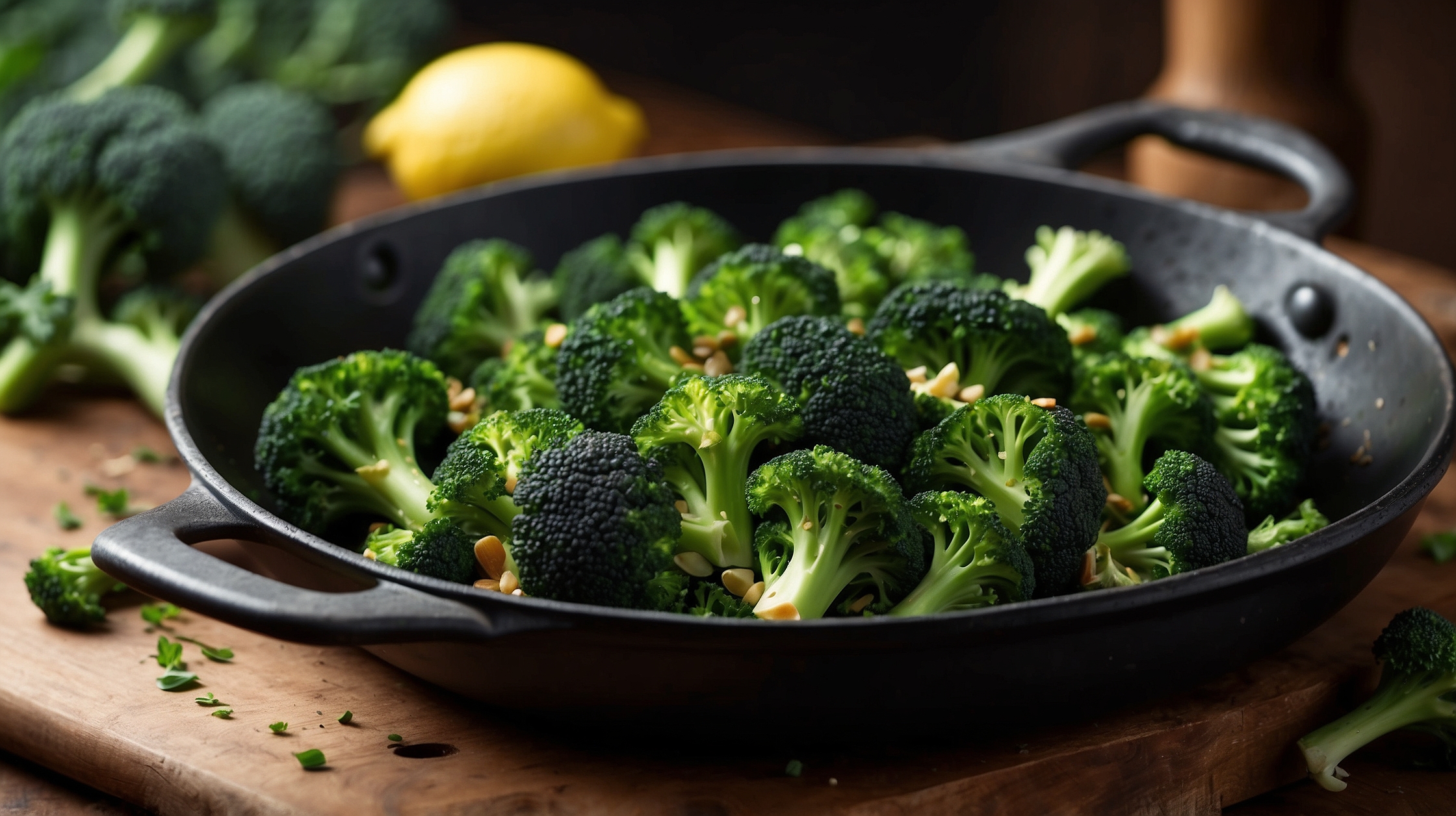
For decades, steaming has been considered the healthiest way to prepare vegetables, especially broccoli. Nutritionists and home cooks alike have long relied on steam cooking to preserve nutrients while avoiding excess fats and oils. However, emerging scientific research is challenging this long-standing belief. Experts now suggest that steaming may not always be the most effective method for preserving broccoli’s most powerful health compounds.
Recent nutritional studies reveal that certain cooking methods can actually help broccoli retain more of its beneficial properties, offering improved flavor, digestion, and nutrient absorption. These findings are reshaping how health-conscious consumers prepare this well-known superfood.
Why Broccoli Is Considered a Nutritional Powerhouse
Broccoli belongs to the cruciferous vegetable family and contains high levels of vitamins, minerals, fiber, and antioxidants. Its most valuable compound is sulforaphane, a natural plant chemical known for its ability to support detoxification, reduce inflammation, and potentially lower cancer risk.
However, sulforaphane is extremely sensitive to heat. The way broccoli is chopped, prepared, and cooked plays a major role in determining how much of this compound remains available for the body to absorb.
Cooking Methods Compared: Which Preserves Nutrients Best?
| Cooking Method | Nutrient Retention | Flavor Profile | Texture Result | Cooking Time |
|---|---|---|---|---|
| Steaming | Moderate | Mild | Tender-crisp | 5–7 minutes |
| Boiling | Low | Bland | Soft or soggy | 7–10 minutes |
| Microwaving | Very High | Slightly sweet | Tender | 3–4 minutes |
| Stir-Frying / Sautéing | High | Rich and caramelized | Crisp-tender | 5–8 minutes |
| Roasting | Moderate | Nutty and rich | Crisp exterior | 20–25 minutes |
Why Steaming Is Losing Its “Gold Standard” Status
While steaming is still healthier than boiling, nutrition researchers now emphasize that prolonged steaming can reduce the level of sulforaphane. Studies indicate that exposure to steam for more than three to four minutes may begin to break down the enzymes responsible for forming this compound.
According to nutritional biochemistry research, the enzyme myrosinase, which activates sulforaphane, is highly sensitive to heat. When overcooked, broccoli may lose a significant portion of its disease-fighting benefits.
The New Best Cooking Methods: Microwaving and Light Stir-Frying
Experts now highlight microwaving and light stir-frying as two of the most effective ways to preserve broccoli’s nutritional value.
Microwaving Benefits
Microwaving broccoli for about three minutes at medium power helps retain most of its sulforaphane while softening plant fibers enough for easier digestion. This method also requires minimal water, which prevents nutrients from leaching out.
Stir-Frying Advantages
Light stir-frying broccoli in a small amount of healthy oil allows for quick cooking at controlled heat. This technique helps maintain nutrient levels while enhancing flavor and texture. Even cooking and avoiding overcrowding the pan ensures optimal results.
Why Chopping Broccoli Before Cooking Matters
A lesser-known but important step in preserving broccoli’s health benefits involves preparation before cooking. When broccoli is chopped, two natural compounds combine to form sulforaphane.
Experts recommend allowing chopped broccoli to rest for 30 to 90 minutes before cooking. This resting period allows enzymes to fully activate, producing higher levels of sulforaphane that can better survive gentle cooking methods.
Step-by-Step Stir-Fry Method for Maximum Nutrient Retention
Ingredients
- 1 medium broccoli head, cut into florets
- 1 tablespoon olive oil or avocado oil
- 2 garlic cloves, minced
- ½ teaspoon sea salt
- 1 tablespoon lemon juice (optional)
Instructions
- Chop broccoli and allow it to rest for approximately 40 minutes.
- Heat oil in a wide pan over medium-high heat.
- Add garlic and sauté briefly for about 30 seconds.
- Add broccoli and stir-fry for 5 to 6 minutes until bright green with lightly browned edges.
- Season with salt and lemon juice before serving.
Best and Worst Cooking Methods for Broccoli
Most Effective Methods
- Microwaving
- Light stir-frying
- Moderate roasting
Less Effective Methods
- Boiling
- Over-steaming
- Eating raw (nutrients remain but may be harder to digest)
Improved Flavor, Texture, and Digestion
Besides preserving nutrients, modern cooking techniques also enhance taste and texture. Light stir-frying produces a vibrant green color and a slightly sweet, nutty flavor. These cooking methods also soften broccoli’s natural fibers, making it easier to digest and reducing digestive discomfort for some individuals.
Another benefit is convenience. Both microwaving and stir-frying require minimal equipment and can be completed quickly, making them ideal for busy lifestyles.
Final Conclusion: It May Be Time to Rethink Steaming
Steaming remains a healthy option but is no longer considered the most nutrient-preserving cooking method. If your goal is to maximize sulforaphane levels, improve taste, and reduce cooking time, microwaving or light stir-frying may be better choices supported by modern nutritional research.
Making small adjustments in preparation and cooking techniques can significantly increase broccoli’s health benefits while improving your overall dining experience.
Frequently Asked Questions
What is the healthiest way to cook broccoli?
Microwaving and light stir-frying preserve the highest amount of nutrients, especially sulforaphane.
Does steaming broccoli destroy nutrients?
Steaming reduces nutrient loss compared to boiling but can still degrade heat-sensitive compounds if done for too long.
Is microwaving broccoli healthy?
Yes. Short microwave cooking can retain most of broccoli’s nutrients while improving digestibility.
Is raw broccoli healthier than cooked?
Raw broccoli contains intact nutrients but may be harder to digest. Light cooking improves nutrient absorption.
Why should broccoli sit after chopping?
Allowing chopped broccoli to rest activates enzymes that increase sulforaphane production.
Does roasting reduce nutrients?
Roasting at very high heat for long durations can reduce nutrients, but moderate roasting still retains many benefits.
Which oil is best for stir-frying broccoli?
Olive oil and avocado oil are both suitable due to their healthy fat content and stability during cooking.
How long should broccoli be stir-fried?
Approximately 5 to 6 minutes over medium-high heat provides optimal texture and nutrient preservation.