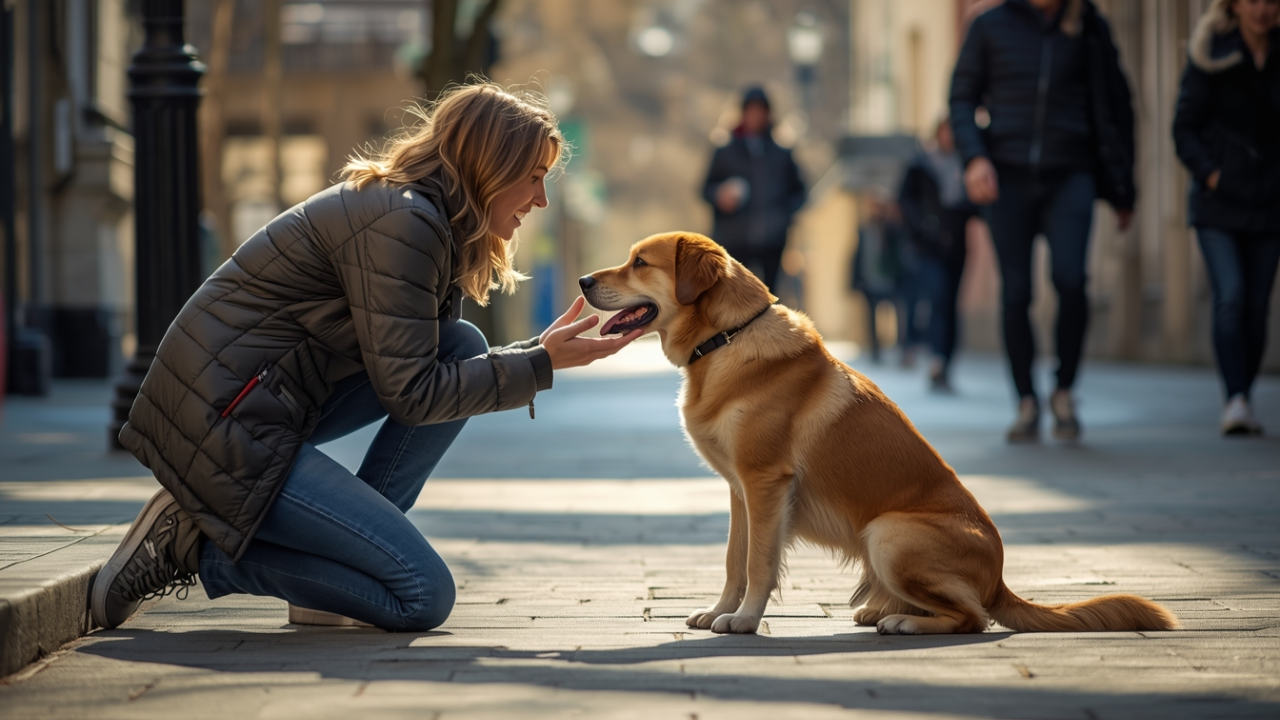
You’re walking down the street after a long day. Your mind is drifting between errands, emails, and what you’ll eat for dinner. Then suddenly, a dog appears — tail wagging, ears bouncing, eyes locked onto you with cheerful curiosity.
Without thinking, your voice softens. You smile. Maybe you crouch down and greet the dog like an old friend you haven’t seen in years.
Later, you might shrug it off as simple affection for animals. But psychologists suggest this small moment may reveal surprisingly specific personality traits and emotional tendencies. The way you react to unfamiliar dogs, they say, often reflects deeper patterns in how you approach relationships, risk, empathy, and connection.
Why Your Reaction to Strange Dogs Isn’t Random
Psychologists often study what they call micro-behaviours — small, automatic reactions that reveal unconscious personality patterns. Greeting unfamiliar dogs is considered one of these behaviours.
Some people instinctively kneel down, talk playfully, and reach out for contact. Others pause, observe quietly, or stay at a safe distance. Both responses are natural, but they often reflect different psychological tendencies.
Research observing public park interactions has shown that people who initiate contact with unfamiliar dogs tend to score higher in traits such as openness, emotional warmth, and social curiosity. These individuals often seek connection in everyday situations, even brief or casual ones.
The Three Traits Commonly Linked to Dog Greetings
Psychologists often identify three personality factors associated with greeting unknown dogs:
1. Risk Tolerance
Approaching an unfamiliar animal involves uncertainty. Even friendly dogs can react unpredictably. People who greet unknown dogs often show comfort with small, low-risk social uncertainties.
This same comfort often appears in their human interactions. They may be more willing to start conversations, explore new environments, or form connections quickly.
2. Empathy and Emotional Awareness
Greeting a dog requires quickly reading body language — tail movement, posture, eye contact, and energy levels. This skill reflects emotional intelligence and the ability to interpret non-verbal signals.
People who naturally respond to these cues often demonstrate strong emotional awareness in friendships and relationships.
3. Playfulness and Spontaneity
There is usually no practical benefit to greeting a stranger’s dog. The interaction is driven purely by enjoyment and curiosity.
Psychologists link this behaviour to individuals who allow themselves small joyful experiences throughout daily life. These individuals often show greater emotional flexibility and creativity.
What Therapists Sometimes Notice During Walk Sessions
Some therapists who conduct outdoor sessions quietly observe how clients react when dogs appear. These reactions sometimes reveal patterns similar to relationship attachment styles.
For example:
- Individuals who eagerly greet every dog often demonstrate strong emotional openness but may sometimes fear rejection or seek reassurance.
- Those who remain cautious may prioritize boundaries and respect personal space but could struggle with initiating connection.
These tendencies are not good or bad. Instead, they offer insight into natural emotional habits.
Why Greeting Dogs Can Reduce Stress
Many people report feeling calmer after interacting with friendly animals. Psychological research supports this experience.
Short interactions with animals have been linked to:
- Reduced cortisol levels (stress hormone)
- Improved mood and emotional regulation
- Increased feelings of social connection
- Enhanced relaxation responses
Even brief interactions lasting less than a minute can create a noticeable emotional reset.
The Healthy Way to Greet Unfamiliar Dogs
Psychologists and animal behaviour specialists recommend a respectful approach that benefits both humans and animals.
Step 1: Ask the Owner for Permission
This builds respectful communication and ensures safety.
Step 2: Let the Dog Approach First
Allowing the animal to initiate contact demonstrates patience and respect for boundaries.
Step 3: Use Calm Body Language
Lower your posture slightly, keep your hands relaxed, and avoid sudden movements.
Step 4: Observe the Dog’s Signals
If the dog moves closer, it signals comfort. If it moves away, give space.
Step 5: Stay Present for a Few Seconds
Brief calm interaction allows your nervous system to register relaxation and connection.
These steps not only improve animal safety but also strengthen emotional awareness skills.
What Your Dog Greeting Style May Reveal About Your Emotional Needs
Once people begin noticing their reactions to unfamiliar dogs, they often recognize deeper patterns.
Some individuals greet dogs more frequently during stressful periods, using the interaction as emotional comfort. Others engage with animals mainly when they feel relaxed or socially confident.
Your greeting style may reflect:
- How easily you seek connection
- Your comfort with vulnerability
- Your ability to interpret emotional signals
- Your desire for spontaneous joy
These insights can help people understand their relationship patterns and emotional needs more clearly.
There Is No “Right” or “Wrong” Personality Style
Psychologists emphasize that different greeting behaviours simply reflect different comfort levels and experiences.
Some people naturally seek frequent social contact. Others prefer limited but deeper connections. Both approaches can lead to fulfilling relationships.
Understanding your instincts helps you make conscious choices about social behaviour rather than reacting automatically.
Why Small Social Moments Matter More Than We Think
Modern life often reduces human interaction to structured conversations and planned meetings. Small spontaneous interactions, like greeting a dog, provide low-pressure social engagement.
These brief connections can strengthen emotional well-being by:
- Encouraging mindfulness
- Increasing positive emotional experiences
- Reducing feelings of loneliness
- Practicing non-verbal communication skills
Over time, these small experiences contribute significantly to overall emotional health.
Key Takeaways
- Greeting unfamiliar dogs is linked to personality traits like empathy, openness, and social curiosity
- These micro-interactions can reveal emotional habits and relationship tendencies
- Brief animal interactions can reduce stress and improve mood
- Respectful dog greeting methods improve safety and emotional awareness
- Small spontaneous connections can strengthen mental well-being
Frequently Asked Questions
Do people who greet unfamiliar dogs share the same personality type?
They often show similar emotional tendencies, but personality exists on a spectrum rather than fixed categories.
Does avoiding unknown dogs mean someone lacks empathy?
No. Avoidance may reflect caution, past experiences, or respect for personal boundaries.
Can interacting with dogs improve mental health?
Many studies show short animal interactions can reduce stress and improve mood.
Is it normal to talk to dogs in a playful tone?
Yes. Higher vocal tones signal friendliness and comfort, which animals often respond to positively.
How can shy people start interacting more comfortably?
Simple gestures like smiling at a dog or complimenting the owner can gradually build social confidence.