At 7:45 a.m., the physiotherapy clinic was already packed. Elastic bands stretched across tired knees. Polite encouragement floated through the room. At the back, a woman in her fifties scrolled her phone, paused, and silently mouthed a headline:
“New research says a brutal workout beats swimming and Pilates for knee pain.”
She looked up, confused. Then slightly offended.
For years, people with knee pain have been told the same thing: be gentle. Swim. Stretch. Lengthen. Protect your joints at all costs. Squats were framed as dangerous. Heavy weights? Unthinkable.
So when the name of the workout spread through the waiting room — whispered like a swear word — you could feel it: disbelief, fear… and betrayal.
The Workout Everyone Avoided Might Be the One Knees Need Most
Knee pain used to be something people quietly lived with. Now it trends. Scroll Instagram or TikTok and the advice is predictable:
“Low-impact only.”
“Pilates saved my knees.”
“Never load painful joints.”
It sounds safe. It feels comforting. But new research is challenging that entire story.
Multiple recent studies tracking middle-aged adults with chronic knee pain found something unexpected: people who switched from purely gentle movement to progressive strength training often improved more — sometimes dramatically.
Not stretching.
Not floating in a pool.
But lifting weights.
What the Research Actually Did (and Why It Shocked People)
Participants had already tried the usual fixes: swimming, cycling, Pilates, walking programs. Results were modest at best.
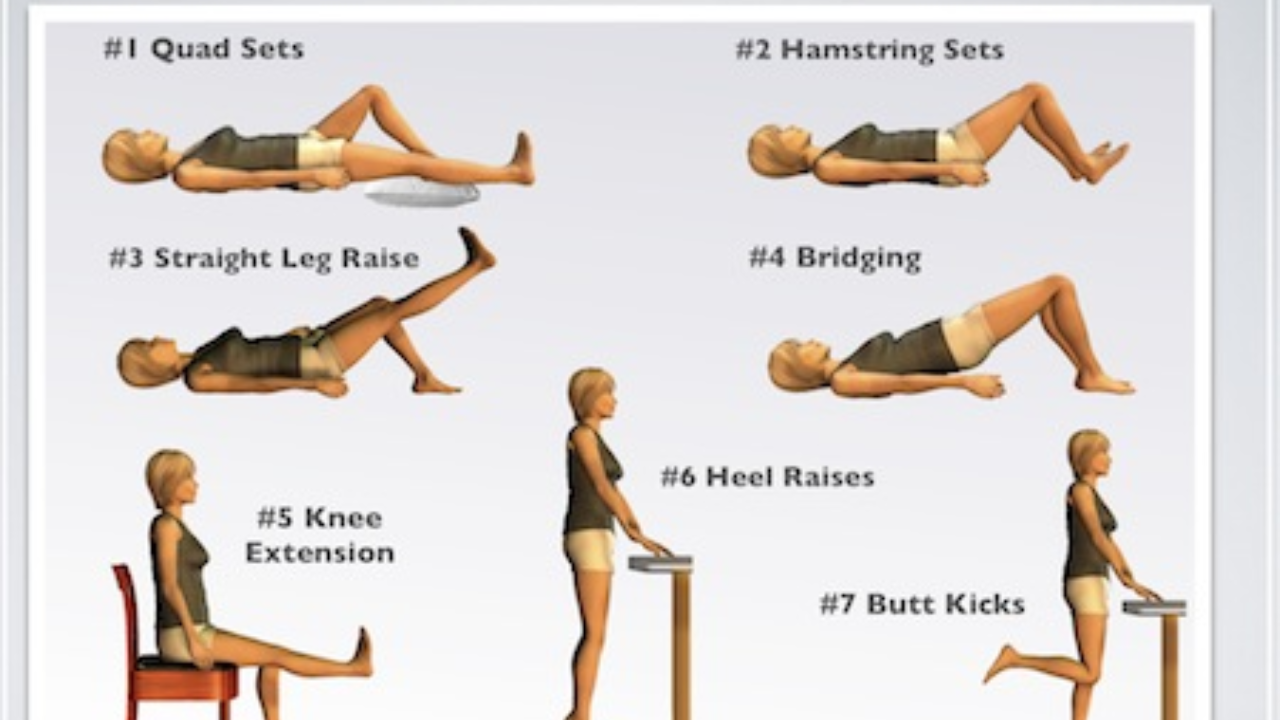
Researchers then placed them into supervised strength-training programs that included:
- Squats
- Lunges
- Step-ups
- Leg presses
- Deadlift-style hip hinges
Not “toning.” Not light rehab drills. Real resistance — progressed carefully over time.
Many participants admitted they were terrified at first. Some felt they were breaking long-held medical rules. But then something unexpected happened.
Pain scores dropped.
Daily function improved.
Stairs stopped feeling like enemies.
Some participants hadn’t changed structurally on scans — but they moved better, felt stronger, and trusted their knees again.
Why Strength Training Beats “Gentle Only” for Knee Pain
The explanation is simple but uncomfortable:
Joints are only as protected as the muscles around them.
Swimming and Pilates are excellent for mobility, circulation, and control — but they often don’t load the legs enough to create meaningful strength gains. Without strong quadriceps, glutes, and hamstrings, the knee absorbs more stress than it should.
When muscles get stronger:
- They absorb impact more efficiently
- Joint loading becomes smoother and less chaotic
- Pain signals calm down
- Balance and coordination improve
In short, the knee finally gets backup.
What This “Brutal” Knee-Saving Workout Really Looks Like
Forget the image of screaming trainers and crashing weights. The programs used in research are structured, controlled, and surprisingly sensible:
- 2–3 sessions per week
- 45–60 minutes
- Lower-body focused
- Gradual progression
Typical movements include:
- Squats to a chair or box
- Step-ups onto a low platform
- Dumbbell or kettlebell Romanian deadlifts
- Leg press machines
- Hip thrusts
The key detail? Intensity.
The last few reps of each set should feel tough — not sloppy, not painful, but challenging. That near-limit zone is where muscles, tendons, and confidence adapt.
Why “Forever Light” Training Often Fails Knees
Many people with knee pain get stuck doing:
- Pink dumbbells
- Endless reps
- Constant “activation” drills
It burns. It feels productive. But it rarely creates enough strength to change how the knee handles load.
One 58-year-old participant admitted she’d avoided squats for two years. She started with simple sit-to-stands from a high bench. Three months later, she was goblet squatting with weight — and running for a train without fear for the first time in a decade.
Her scans didn’t magically change. Her life did.
How to Start Strength Training When Your Knees Already Hurt
If the idea of lifting weights makes you nervous, that’s normal. The research is clear: success comes from progressive exposure, not punishment.
Start with:
- Sit-to-stands from a chair
- Low step-ups
- Static lunges while holding support
- Hip hinges with hands on a wall
When 10–12 reps feel easy, add light load: a backpack, dumbbell, or kettlebell. Keep pain in the annoying but tolerable range — never sharp.
The brutality comes from consistency, not rushing.
Why So Many People Feel Betrayed by This Research
People followed the rules.
They avoided stairs.
They paid for gentle classes.
They protected their knees — and still hurt.
The betrayal isn’t that swimming or Pilates were useless. It’s that the story stopped there. Gentle movement calms pain. Strength builds resilience. Most knees need both.
As one sports medicine specialist put it:
“People arrive convinced their knees are glass. Then they discover they’re trainable.”
Key Takeaways
| Key Point | What It Means | Why It Helps |
|---|---|---|
| Strength beats “gentle only” | Progressive resistance outperforms low-impact alone | Offers a real solution when soft options fail |
| Progression matters | Start supported, increase load slowly | Reduces injury fear |
| Mindset shift | Knees are adaptable, not fragile | Builds confidence and consistency |
FAQs
Is strength training safe with knee arthritis?
Yes, for many people — when it’s progressive, supervised, and tailored. Studies show reduced pain and better function even when X-rays still show arthritis.
Do I need deep squats?
No. Partial-range squats and step-ups are highly effective. Depth can increase gradually if comfortable.
How often should I train?
Two to three focused strength sessions per week is ideal. Walking or light cardio on other days helps recovery.
Will heavy loads wear out cartilage faster?
Current evidence suggests the opposite. Strong muscles protect joints by controlling force more effectively.
What if I’m scared to start alone?
That’s normal. A physiotherapist or strength coach experienced with joint pain can make all the difference — even a few sessions help.