The first time it happened, Jean-Pierre thought he’d simply stood up too fast.
He’d finished his morning crossword, pushed his chair back, placed his hands on the table — and when he tried to stand, his legs didn’t quite respond. No sharp pain. No dizziness. Just a strange heaviness, as if his thighs had briefly forgotten their job.
He froze for a second, waiting.
After a few moments, the strength returned. He walked it off. But the unease stayed — along with the quiet question many people ask after 60:
Why do my legs feel weak after sitting?
When your legs “lag” after you stand up
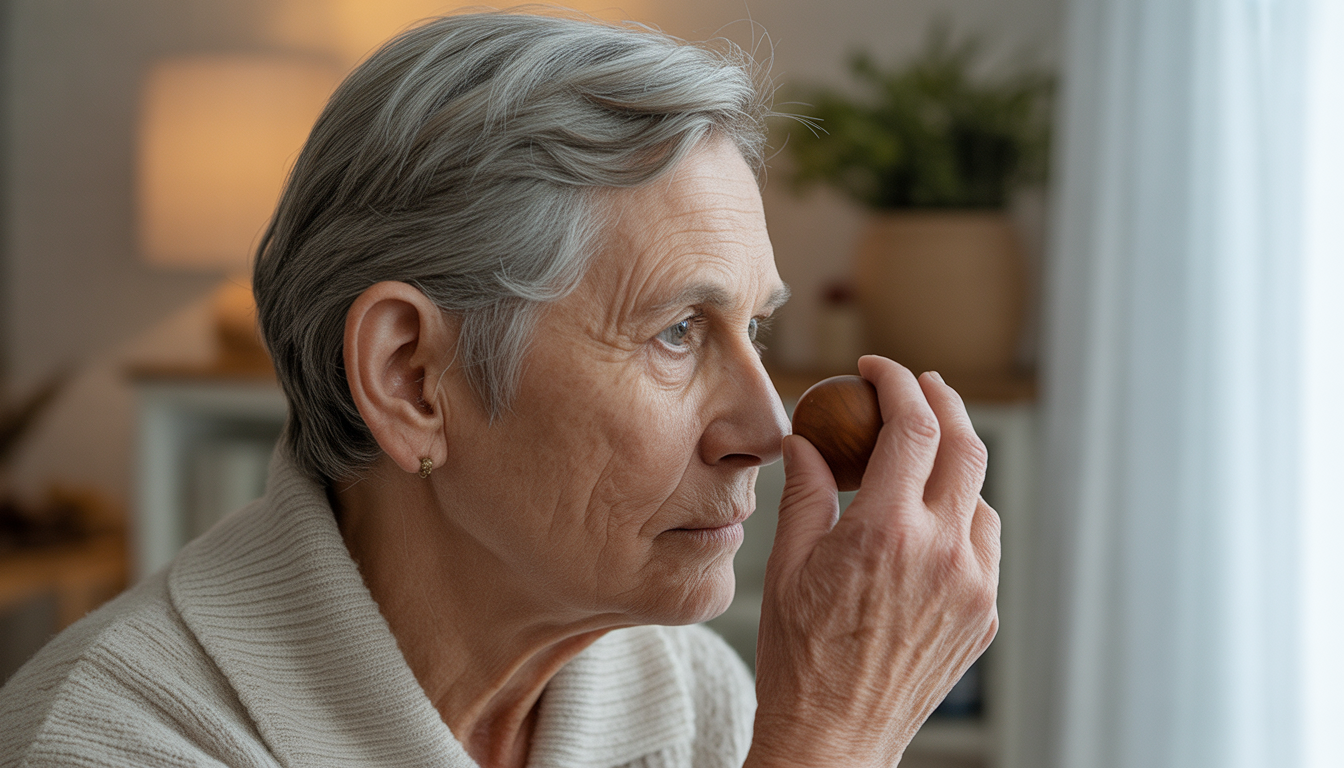
If you’re in your 60s or 70s and notice a brief wobble after sitting for a while, you’re not alone.
It often happens after:
- Sitting low on a sofa
- Staying still for a long time
- Crossing legs
- Sitting on a hard chair
You stand up, your knees feel unreliable, and for a second you think, don’t fall. Then, after a few steps, everything feels normal again.
That pattern has a name doctors sometimes use: the circulation cutoff effect.
What’s actually happening in the body
When we sit for long periods, especially without moving, we compress blood vessels behind the knees and in the groin area. Blood flow to the leg muscles slows. The nerves can also be slightly compressed.
Think of it like a garden hose that someone partially sits on. Water still flows — just not smoothly.
When you stand, your body needs a few seconds to:
- Restore full blood pressure
- Re-activate muscles
- Wake up balance reflexes
That short delay is when legs feel heavy or unsteady.
This isn’t simply “old age.”
It’s the interaction between posture, circulation, muscle activation, and habits — something that becomes more noticeable as we get older.
A simple way to “wake up” your legs before standing
Many people over 60 find relief with a two-stage stand-up routine.
Before standing:
- Slide your feet slightly back under the chair
- Press your heels into the floor 5–10 times
- Feel your calf and thigh muscles engage
As you stand:
- Lean your torso slightly forward
- Push through your legs, not your lower back
After standing:
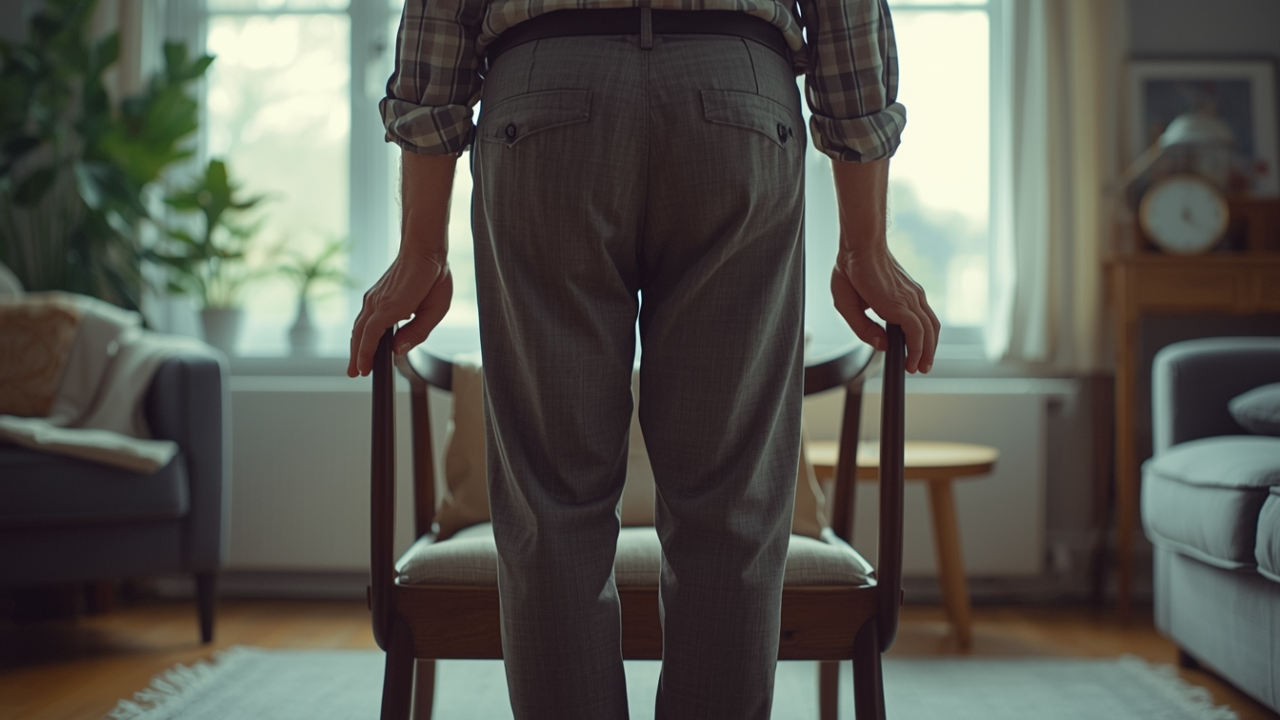
- Pause for 5 seconds
- Hold the table or chair
- Bend and straighten your knees a few times
- Lift one heel, then the other
This tiny pause helps circulation catch up and reduces fall risk.
Most falls happen in the first few seconds after standing, not while walking.
Why rushing makes it worse
The most common mistake is urgency.
We jump up to answer the phone. We rush to the door. We forget our glasses and spring out of the chair. The body doesn’t like sudden transitions as we age.
Giving yourself ten extra seconds can completely change the experience.
As one retired nurse put it:
“My legs still work. They just want a warning.”
Why movement matters more than exercise
This doesn’t mean you need intense workouts.
Leg circulation depends heavily on regular movement, especially the calf muscles, which act like a pump sending blood back to the heart.
Helpful habits include:
- Standing up every 30–45 minutes
- Walking during phone calls
- Doing calf raises while holding a chair
- Choosing stairs for one floor
One reader called it “flirting with movement instead of declaring war on the sofa.”
Small, frequent movement works better than rare heroic effort.
When leg weakness deserves medical attention
Most brief, bilateral wobbliness after sitting is harmless.
However, you should seek medical advice if you notice:
- Sudden weakness in one leg only
- Foot dragging or frequent tripping
- Calf pain when walking that eases with rest
- Dizziness or blurred vision when standing
- Numbness, tingling, or worsening symptoms
These are not “normal aging quirks.” They’re signals worth checking early.
Listening early is less frightening than waiting for a fall to force the conversation.
A quiet negotiation with your body
After 60, health often comes down to small moments that don’t look dramatic from the outside.
How you stand up.
Whether you pause.
Whether you get curious instead of dismissive.
Your legs aren’t betraying you — they’re sending a message about circulation, movement, and timing. The circulation cutoff effect is part physics, part biology, part lifestyle.
The rest of the story is how you respond.
Key Takeaways
| Point | What it means | Why it helps |
|---|---|---|
| Circulation slows when sitting | Pressure reduces blood flow to leg muscles | Explains temporary weakness |
| Two-stage standing | Wake muscles before and after standing | Reduces wobble and fall risk |
| Frequent movement | Small daily motion keeps circulation active | Supports leg strength over time |
| Warning signs matter | One-sided weakness or pain isn’t normal | Encourages early medical care |
FAQ
Why does this happen only after sitting, not all the time?
Because prolonged sitting reduces circulation and muscle activation. Standing requires a short “reboot.”
Is this normal aging or something serious?
Mild, brief wobbliness in both legs is common with age. Sudden, one-sided, or worsening symptoms should be checked.
Can simple exercises really help at my age?
Yes. Walking, calf raises, and sit-to-stand movements can improve circulation and strength at any age.
Could this mean poor circulation?
Sometimes. Pain when walking that stops with rest, cold feet, or skin color changes deserve medical advice.
What should I tell my doctor?
When it started, how long it lasts, whether it affects one or both legs, any falls, pain, dizziness, and your medications.