When your garden stops feeling alive
You push a garden fork into the soil and feel resistance almost immediately. The ground feels stiff, dry, and unwelcoming. Plants grow slowly, roots stay shallow, and rainwater either pools on the surface or disappears too quickly.
Many gardeners assume poor growth means lack of fertilizer or watering problems. But often, the real issue lies deeper — in the soil’s structure and biological life.
There is a surprisingly simple method that can reveal what your soil is missing in seconds. It’s called the soil squeeze test, and it works as a quick health check for your garden.
The Simple Soil Squeeze Test Anyone Can Do
The squeeze test helps you understand soil structure by using your hands instead of laboratory tools.
How To Perform The Test
- Dig about 10–15 cm below the surface where plant roots normally grow.
- Take a handful of slightly moist soil (not soaking wet or extremely dry).
- Squeeze the soil firmly into a small ball.
- Open your hand and observe how the soil behaves.
What The Results Mean
- Soil falls apart instantly:
Your soil likely lacks organic matter and struggles to retain moisture and nutrients. - Soil stays as a hard lump:
The soil is compacted and lacks air spaces necessary for healthy root growth. - Soil crumbles gently like cake crumbs:
This indicates balanced, healthy soil structure.
This simple test reveals whether your soil has enough biological activity to support plant life.
Why Soil Structure Matters More Than Most Gardeners Realize
Healthy soil is not just dirt. It is a living ecosystem made of microorganisms, fungi, insects, and organic material working together.
When soil contains proper structure:
- Air spaces allow roots to breathe
- Organic matter helps soil hold water
- Microorganisms release nutrients slowly
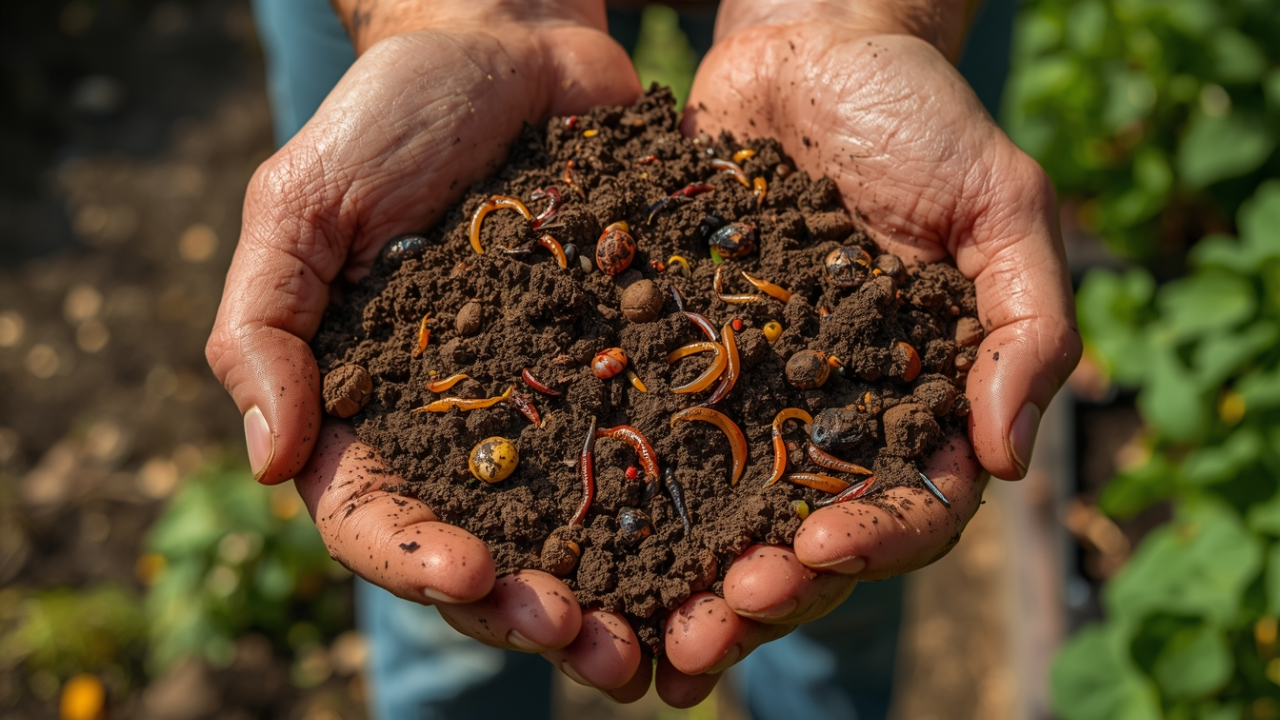
- Earthworms naturally improve soil texture
These small particles form soil “aggregates,” which act like tiny sponges that balance moisture and airflow.
When aggregates break down, soil becomes either dusty or rock hard, making plant growth difficult.
The Most Common Missing Ingredient: Organic Matter
When soil fails the squeeze test, the main missing component is usually organic material. Organic matter includes decomposed plant material and natural compost that feeds soil organisms.
Examples include:
- Compost
- Leaf mold
- Well-rotted manure
- Shredded dry leaves
- Plant leftovers from previous seasons
Adding organic matter improves soil texture gradually and helps rebuild natural microbial life.
How To Restore Lifeless Soil Naturally
Add Compost On The Surface
Spread a 3–5 cm layer of compost over garden beds once or twice a year. Let natural soil organisms slowly integrate nutrients.
Use Mulch To Protect Soil
Mulch materials such as straw, leaves, or grass clippings protect soil from drying, prevent erosion, and support microbial growth.
Reduce Excess Digging
Frequent deep digging breaks soil aggregates and damages beneficial organisms. Gentle soil care allows natural structure to rebuild.
Plant Cover Crops Or Deep-Root Plants
Plants like clover or certain grasses help loosen soil naturally and improve organic content.
How Long Does Soil Recovery Take?
Improvement usually happens gradually. Some gardeners notice better soil texture within a few months, while full transformation may take one to two growing seasons.
Consistent organic additions and reduced soil disturbance produce long-lasting results.
Why Fertilizers Alone Cannot Fix Soil Structure
Chemical fertilizers provide nutrients but do not improve soil texture or biological life. Plants may grow temporarily, but soil remains weak without organic support.
Healthy soil requires feeding the ecosystem beneath the surface rather than feeding plants directly.
Signs Your Soil Is Becoming Healthier
- Soil becomes darker and softer
- Earthworms appear frequently
- Water drains evenly without pooling
- Roots grow deeper and stronger
- Plants become more resistant to stress
Repeating the squeeze test seasonally helps track improvement over time.
Key Lessons From The Soil Squeeze Test
| Key Point | Detail | Reader Benefit |
|---|---|---|
| Soil Texture Reveals Soil Health | Squeeze test quickly identifies soil problems | Provides a free and easy diagnostic tool |
| Organic Matter Builds Structure | Compost and natural materials support soil organisms | Improves moisture retention and plant growth |
| Gentle Soil Care Works Best | Less digging preserves natural soil ecosystems | Creates long-term garden sustainability |
Frequently Asked Questions
What does dusty soil mean?
Dusty soil usually indicates low organic matter and poor moisture retention. Compost and mulch can improve structure.
Can hard clay soil be improved?
Yes. Adding organic matter, planting deep-root crops, and reducing compaction gradually improve clay soil.
Should I stop digging completely?
Occasional light digging is acceptable, but frequent deep tilling can damage soil structure.
How often should I perform the squeeze test?
Testing once or twice each year helps monitor soil health changes.
Can healthy soil still produce poor plant growth?
Yes. Other factors such as sunlight, watering patterns, or plant selection can affect growth.
Conclusion
Hard, lifeless soil often signals missing organic matter and weakened soil biology. The soil squeeze test offers a simple and effective way to evaluate soil health without specialized tools.
By adding compost, using mulch, and reducing soil disturbance, gardeners can restore soil structure naturally. Over time, these small improvements transform dry, compacted ground into fertile, living soil that supports stronger plant growth and healthier gardens.