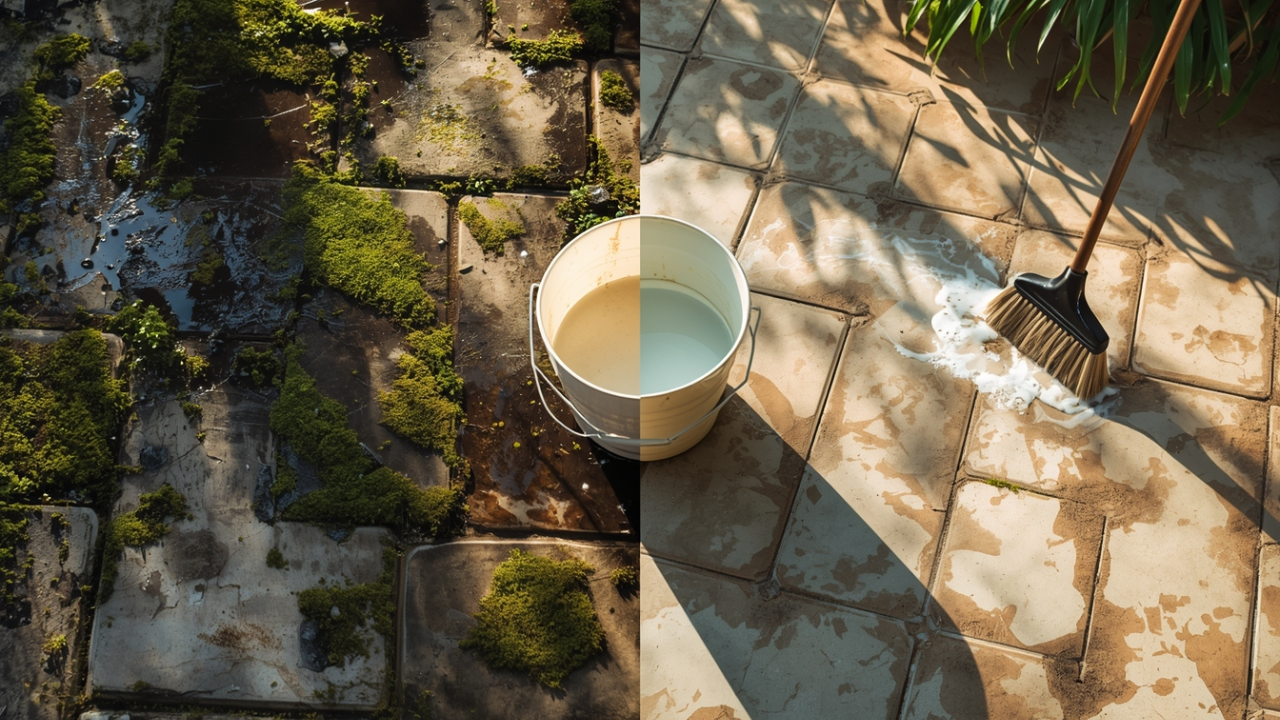
The first warm sunlight of spring often inspires people to step outside, arrange garden furniture, and prepare outdoor spaces for relaxation. But that excitement can quickly fade when you notice your patio or garden path covered in black stains, moss, greasy spots, and weather damage.
Most homeowners imagine spending an entire weekend scrubbing with harsh chemical cleaners and heavy tools. Fortunately, restoring your outdoor surfaces does not have to be exhausting. There are simple, effective, and mostly natural cleaning methods that can bring patios and garden paths back to life with minimal effort.
Why Patios and Garden Paths Turn Black So Quickly
Outdoor surfaces face constant exposure to weather and everyday dirt. Over time, several factors combine to darken patios and pathways.
Moisture plays a major role. Rainwater and humidity encourage moss and algae growth, which not only create dark patches but also make surfaces slippery and unsafe.
Air pollution and soot slowly settle on outdoor paving, forming a thin grey or black film that builds up unnoticed.
Organic materials such as fallen leaves, mud, bird droppings, and plant debris can stain stone and concrete. Additionally, daily activities like barbecues, spilled drinks, and rust from outdoor furniture add stubborn marks.
In most cases, blackened paving is not permanently damaged. It is usually a mix of algae, grime, and organic buildup that responds well to the right cleaning method.
The key is selecting the proper cleaning technique based on your surface material, whether it is wood, concrete, stone, or tiles.
Black Soap and Water: A Gentle Yet Powerful Cleaner
Black soap is a plant-based cleaner widely used across Europe for outdoor cleaning. It is known for removing dirt effectively while protecting delicate surfaces.
How to Use Black Soap
Start by filling a bucket with hot water and mixing in a small amount of liquid black soap. Stir thoroughly. Wet the patio or deck surface, then scrub using a stiff brush or deck broom.
Allow the foam to loosen dirt and algae before rinsing with clean water. Once dry, surfaces often regain their natural appearance.
Black soap is especially useful for:
- Wooden decking
- Composite boards
- Ceramic or porcelain tiles with intact joints
Its biggest advantage is that it cleans without damaging protective coatings or grout. Although it requires light scrubbing, it is far easier than sanding or deep scraping.
Baking Soda and Soapy Water: The Deep Cleaning Solution
When patios or concrete paths appear heavily stained or greyed out, baking soda combined with dish soap offers a stronger yet safe cleaning option.
Step-by-Step Cleaning Method
- Mix hot water with a small amount of dish soap in a bucket.
- Sprinkle baking soda directly onto stained or darkened areas.
- Pour the soapy water over the baking soda.
- Leave the mixture for 30 to 60 minutes.
- Scrub lightly and rinse thoroughly.
Baking soda’s mild alkaline properties help break down grease and dirt trapped in porous surfaces.
This method works best on:
- Concrete slabs
- Rough stone surfaces
- Outdoor garden paths
- Non-polished paving tiles
Another bonus is that baking soda neutralizes odors, making it ideal for areas frequently used by pets.
White Vinegar and Water: Natural Moss and Algae Removal
White vinegar is a popular household disinfectant that also works effectively outdoors when diluted with water.
How to Apply Vinegar Solution
Mix equal parts white vinegar and warm water. Spray or pour the solution over affected areas and allow it to sit for around 20 minutes. Then scrub gently and rinse.
Vinegar works well on:
- Concrete paving
- Clay or concrete pavers
- Composite decking
- Ceramic tiles
However, vinegar should never be used on natural stones such as limestone or marble, as its acidic properties can damage these surfaces.
Pressure Washers: Quick but Risky
Pressure washers deliver fast and impressive cleaning results, but they can damage paving materials if used incorrectly.
Safe Pressure Washing Tips
- Begin with the lowest pressure setting
- Keep the nozzle moving continuously
- Maintain distance from the surface
- Use a rotating patio brush attachment if possible
High pressure can strip protective surface layers, making patios more vulnerable to future staining and cracking. For best results, combine gentle cleaning solutions with a light pressure wash for finishing.
Removing Tough Stains and Blackened Joints
Certain stains require targeted treatment rather than full-surface cleaning.
Grease or unknown stains can be removed using rubbing alcohol or methylated spirits. Oil or tar marks often respond to mineral spirits, while paint or resin stains may require turpentine.
Always test these solvents on a hidden area first and wear protective gloves during application.
For blackened grout joints, sprinkle baking soda directly into the gaps, add warm water, and scrub using a small brush or toothbrush. This method usually removes discoloration effectively.
Choosing the Right Cleaning Method for Each Surface
| Cleaning Method | Best For | Purpose | Caution |
|---|---|---|---|
| Black Soap + Water | Wood, composite, tiles | Gentle seasonal cleaning | Mild smell may linger |
| Baking Soda + Soapy Water | Concrete, rough stone | Deep cleaning | Requires soaking time |
| Vinegar + Water | Tiles, pavers, composite | Moss and algae removal | Avoid natural limestone |
| Pressure Washer | Strong stone, concrete | Fast cleaning | Risk of surface erosion |
| Solvents | Localized stains | Spot treatment | Always test first |
Preventing Future Black Stains with Simple Habits
Regular maintenance can reduce the need for heavy cleaning. Sweeping leaves before they decompose prevents staining. Rinsing grease after barbecues prevents oil from soaking into stone.
Removing small weeds early stops root growth that widens cracks between paving joints.
Applying breathable sealants to porous surfaces also reduces stain absorption and simplifies future cleaning.
Why Natural Cleaning Methods Are Often Safer
Many commercial patio cleaners contain strong chemicals such as bleach or acid-based formulas. While these products remove stains quickly, they can harm plants, irritate skin, and damage surrounding soil or drainage systems.
Natural alternatives like black soap, baking soda, and diluted vinegar are safer when used responsibly and rinsed thoroughly. However, excessive use of vinegar can affect soil balance, so moderation is important.
Combining gentle cleaning products with brushing tools and occasional pressure washing creates a safe and efficient cleaning routine.
A Simple Two-Day Cleaning Plan
If your patio requires serious cleaning before outdoor gatherings, consider this easy plan:
Day 1:
Sweep debris and remove weeds from joints. Apply baking soda to dark grout areas and lightly wet them.
Day 2:
Clean the entire patio using soapy water and baking soda. Scrub stubborn areas and rinse thoroughly. Spot treat grease or oil stains if necessary.
This approach spreads effort across short sessions instead of exhausting weekend cleaning.
The Real Benefits of a Clean Patio
Restoring outdoor paving is not just about appearance. Clean surfaces reduce slipping hazards, discourage insects from nesting, and create a welcoming environment for outdoor activities.
Once cleaned, simple monthly sweeping and occasional washing can keep patios looking fresh with minimal maintenance effort.
Key Takeaways
- Most patio black stains result from algae, pollution, and organic debris
- Natural cleaners can restore surfaces safely
- Baking soda and black soap are highly effective low-effort solutions
- Pressure washing should be used carefully
- Preventive maintenance reduces long-term cleaning effort