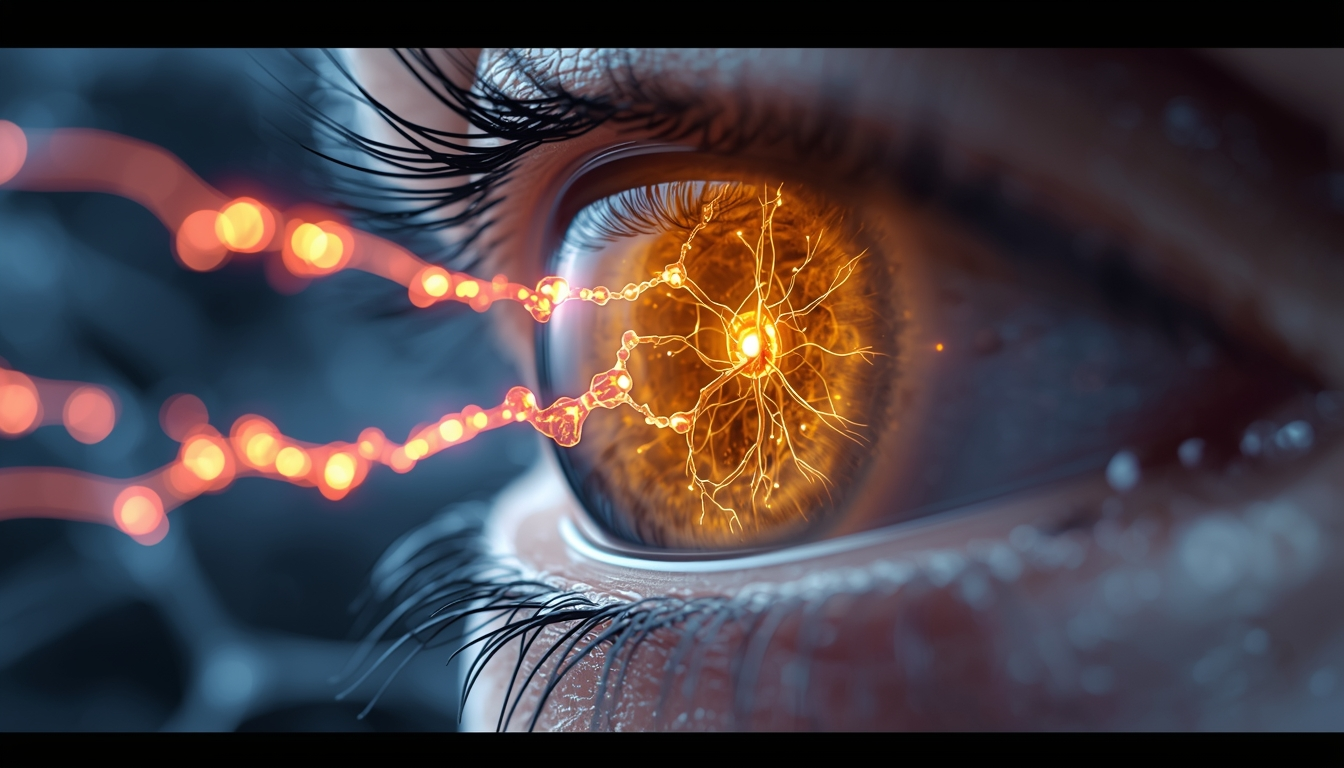
Your calf flickers. Your eyelid jumps. For a brief, unsettling moment, your mind races ahead to frightening conclusions. Muscle twitches are small, sudden, and often harmless — yet they have an uncanny ability to trigger big fears.
Before you assume that a quiet flutter under the skin is signalling something life-changing, it helps to understand what usually causes these sensations, why they are so common, and when they truly deserve medical attention. In most cases, the explanation is far less dramatic than the anxiety it sparks.
Why muscle twitches grab our attention so fast
Twitches are visible, unpredictable, and feel oddly “out of control”. Unlike pain or stiffness, they seem to come from nowhere. That lack of context makes the brain fill in gaps — often with worst-case scenarios.
Neurologists point out that muscle twitching is one of the most frequently misinterpreted bodily sensations. It sits at the intersection of everyday physiology and rare neurological disease, which is why it causes disproportionate worry.
The reassuring truth:
Most muscle twitches are benign, temporary, and linked to lifestyle factors rather than serious illness.
What a muscle twitch actually is
Doctors usually describe muscle twitching using two broad terms:
1. Myoclonus – the big jolt
This is a sudden contraction of a whole muscle or group of muscles. The classic example is the “sleep jerk” that snaps you awake just as you drift off. Myoclonus can be normal or linked to conditions, depending on context.
2. Fasciculation – the tiny ripple
This is the most common and most anxiety-provoking type. Fasciculations involve small bundles of muscle fibres firing spontaneously. You may see the skin ripple or feel a faint buzzing, especially in calves, feet, arms or eyelids.
Fasciculations are extremely common, even in completely healthy people.
Why twitching does not automatically mean neurological disease
Serious neurological conditions do exist, but they are rare — and crucially, they almost never present with twitching alone.
Doctors look for additional signs such as:
- Progressive muscle weakness
- Loss of coordination or clumsiness
- Changes in speech or swallowing
- Altered vision or sensation
In isolation, twitching without weakness or functional loss is far more likely to be benign.
Caffeine and stimulants: when your habits fight back
Caffeine doesn’t just wake up your brain — it excites your muscles too.
It alters calcium handling inside muscle cells, making them slightly slower to relax after contracting. That increased excitability can lead to random firing, especially in muscles that are already tired.
Common triggers include:
- Sudden increase in coffee intake
- Energy drinks
- Pre-workout supplements
- Strong tea late in the day
Eyelids, calves and forearms are particularly sensitive.
Other stimulants can do the same or worse. Nicotine, amphetamines and cocaine all interfere with nerve signalling. In some people, that chemical overstimulation shows up as persistent twitching.
Medications that can make muscles misfire
Prescription drugs sometimes play a role, even when taken correctly. Known culprits include:
- Some antidepressants
- Certain anti-seizure medications
- Blood pressure drugs
- Specific antibiotics
- Anaesthetic agents after surgery
Side effects vary wildly between individuals. That’s why a medication review with a healthcare professional is far more useful than reading alarming leaflets online.
The mineral balance your muscles depend on
Muscles work through carefully controlled electrical signals. That system depends on minerals — especially calcium, magnesium and potassium. Even mild imbalances can make muscles fire when they shouldn’t.
Low calcium: nerves on edge
Calcium helps keep nerve cells stable. When levels drop, nerve membranes become “leaky”, allowing impulses to fire too easily.
Doctors sometimes test this with the Chvostek sign — a facial twitch triggered by tapping near the ear — which can hint at low calcium alongside tingling or cramps elsewhere.
Magnesium: the natural calming agent
Magnesium helps muscles relax after contraction. Low levels are linked to leg twitches, foot spasms and nighttime cramps.
Possible causes include:
- Poor dietary intake
- Absorption issues (such as gut disorders)
- Long-term use of certain acid-reducing medications
Potassium: electrical stability
Potassium maintains the electrical gradient across muscle cells. When levels fall, muscles sit closer to their firing threshold — twitching and cramping can follow.
In healthy people, diet usually covers needs. Persistent symptoms require blood testing, not guesswork.
Dehydration, exercise and the classic leg twitch
Water and minerals work as a team. Lose one, and the other slips out of balance.
Heavy sweating, hot weather, vomiting or diarrhoea can all deplete electrolytes. The result is often felt first in the legs and feet.
| Trigger | Typical situation | Common sensations |
|---|---|---|
| Dehydration | Heat, poor fluid intake | Twitching, cramps, headache |
| Overexertion | New or intense exercise | Localised rippling, tightness |
| Electrolyte loss | Illness, diuretics | Spasms, weakness, fatigue |
That late-night calf twitch after a long day or hard workout is often your body asking for rest and fluids, not signalling disease.
Stress and anxiety: the invisible amplifier
The nervous system reacts to emotional stress as strongly as physical threat. Adrenaline increases muscle readiness, blood flow and baseline tension.
When stress becomes chronic:
- Muscles stay “on standby”
- Minor nerve signals get amplified
- Random firing becomes more noticeable
Twitches often appear when you finally stop — sitting on the sofa, lying in bed, or scrolling at night. That timing can make them feel mysterious, even though stress set the stage hours earlier.
Infections: when twitching isn’t the main event
Some infections affect nerves or muscles directly, but twitching is rarely the only symptom.
Examples include:
- Tetanus (now rare with vaccination)
- Lyme disease
- Certain viral or parasitic infections
In these cases, twitching usually appears alongside fever, pain, stiffness, confusion or weakness. A twitch on its own is not a typical warning sign.
Benign Fasciculation Syndrome: when nothing serious is found
After testing rules out disease, doctors may diagnose benign fasciculation syndrome (BFS).
BFS involves ongoing muscle twitching in otherwise healthy people, with:
- Normal strength
- Normal nerve tests
- No progression to weakness
It can last months or years and often worsens with stress, fatigue or stimulant use. Importantly, it does not damage muscles or shorten life.
For many people, symptoms fade as anxiety reduces — a reminder of how closely mind and nervous system interact.
When a twitch deserves medical attention
Most twitches do not need urgent care. Seek medical advice if twitching is accompanied by:
- Muscle weakness or loss of function
- Difficulty speaking, swallowing or walking
- Persistent pain or night-time cramps
- Unexplained weight loss or fever
- Severe stiffness of jaw or neck after a wound
Doctors may check blood tests, review medications, and only rarely order nerve studies or scans.
Practical steps to calm everyday twitching
Small changes often make a big difference:
- Reduce caffeine gradually, not abruptly
- Drink water consistently, especially with exercise
- Eat mineral-rich foods (leafy greens, nuts, seeds, dairy, beans, bananas)
- Stretch gently after workouts and long sitting periods
- Prioritise sleep and recovery
- Use stress-reduction tools such as slow breathing or walking
Supplements can help in proven deficiencies but are not harmless. Always check before starting high-dose minerals.
Understanding the language reduces fear
Two terms often get confused:
- Fasciculation: small, painless muscle flicker
- Cramp: sustained, painful contraction
And one feared diagnosis often misunderstood:
- In serious neurological disease, twitching almost never appears alone. Weakness and functional loss come first or alongside it.
Patterns matter more than single sensations.
The bottom line
A twitch is your nervous system whispering, not shouting. In most cases, it reflects fatigue, stress, stimulation or minor imbalance — not catastrophe.
Instead of asking, “What’s the worst this could be?”, a better question is:
“What has my body been dealing with lately?”
Hydration, rest, nutrition and stress often hold the answer. And when something truly feels off, checking with a professional is about reassurance as much as diagnosis.