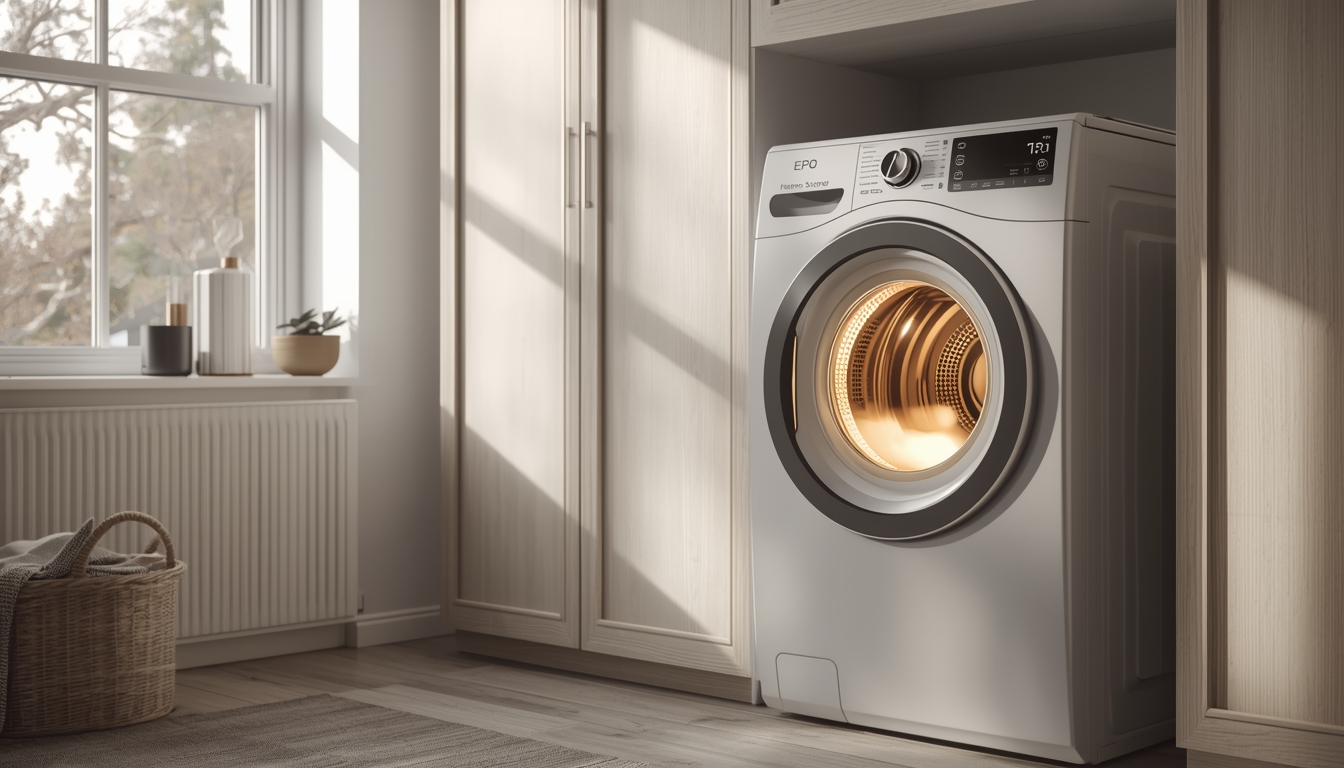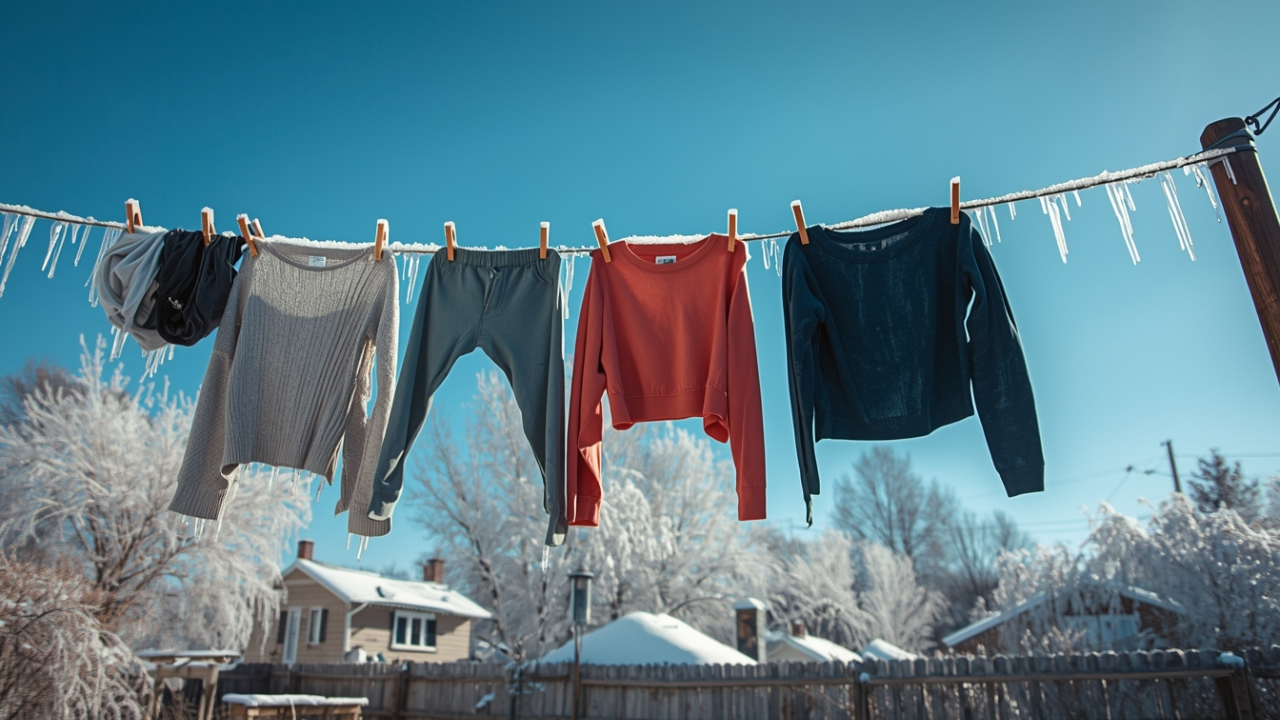
Winter laundry often becomes a daily struggle for many households. Cold temperatures, limited sunlight, and rising electricity bills make drying clothes more challenging. While some homeowners rely on tumble dryers or indoor racks, others follow a surprising winter tradition—drying clothes outdoors in freezing temperatures.
At first glance, hanging laundry outside when temperatures drop below zero may sound impractical. However, many people insist that frost can actually help dry clothes efficiently. Others dismiss the practice as superstition or outdated folklore.
The truth lies somewhere between tradition and science. Understanding how frost interacts with moisture, air circulation, and temperature can help homeowners decide whether outdoor winter drying is worth trying.
Why Some People Dry Laundry Outside in Freezing Weather
In colder regions, drying laundry outdoors during frost has been practiced for generations. Many homeowners claim that frozen clothes feel fresher, smell cleaner, and reduce indoor humidity levels.
Common Reasons People Use Frost Drying
- To reduce electricity costs
- To prevent indoor dampness and mold
- To achieve naturally fresh-smelling clothes
- To minimize tumble dryer usage
Older households often pass down frost-drying techniques as trusted winter habits. Families who rely on this method frequently describe crisp, clean-smelling sheets after outdoor drying sessions.
The Science Behind Frost Drying
Frost drying works due to a natural scientific process known as sublimation. This occurs when frozen water turns directly into vapor without becoming liquid first.
How Sublimation Works
When clothes freeze outdoors:
- Moisture inside fabric turns into ice
- Dry air pulls moisture directly from ice into vapor
- Clothes gradually lose water content
This process allows clothes to dry even when temperatures remain below freezing.
However, sublimation is significantly slower than evaporation. It only works efficiently under specific weather conditions.
When Frost Helps Dry Laundry
Successful frost drying depends on three main environmental factors:
1. Dry Air
Low humidity allows ice crystals in clothing to slowly evaporate into the air. Dry winter air is essential for effective sublimation.
2. Wind or Air Movement
A gentle breeze helps remove moisture from fabric surfaces and accelerates drying speed.
3. Bright or Clear Weather
Sunlight can slightly warm fabrics and speed up moisture removal even in freezing conditions.
When these three conditions combine, frost drying can significantly reduce moisture in clothes before indoor finishing.
When Frost Drying Does Not Work
Many homeowners believe cold weather alone dries clothes, but this is not accurate. Frost drying fails when humidity levels are high or when air circulation is poor.
Conditions That Prevent Frost Drying
- Foggy or damp winter weather
- No wind or air movement
- Late afternoon or nighttime drying
- Overcrowded laundry lines
- Heavy fabrics like thick towels or denim
Under these conditions, laundry may freeze but remain wet inside, leading to unpleasant musty odors.
The Two-Stage Winter Drying Method
Experienced homeowners often follow a two-stage drying approach that combines outdoor frost drying with indoor finishing.
Stage 1: Outdoor Pre-Drying
- Hang clothes outside during cold, dry weather
- Allow frost to remove surface moisture
- Leave clothes until they become stiff or partially dry
Stage 2: Indoor Final Drying
- Bring clothes inside before evening humidity increases
- Hang garments on indoor drying racks
- Allow residual moisture to evaporate completely
This method reduces indoor moisture buildup while lowering dryer usage.
Benefits of Drying Laundry Outdoors in Winter
1. Reduced Energy Consumption
Outdoor drying decreases reliance on tumble dryers, which consume large amounts of electricity.
2. Lower Indoor Humidity
Wet clothes drying indoors release moisture into the air, which can increase condensation and mold growth risk.
3. Fresher Smelling Clothes
Cold outdoor air naturally reduces stale odors and provides a clean scent.
4. Gentle Fabric Care
Cold drying prevents heat damage that can weaken fibers and cause shrinkage.
Common Mistakes That Ruin Frost Drying
Even when weather conditions are suitable, certain mistakes can reduce drying efficiency.
Avoid These Errors
- Hanging clothes too close together
- Leaving laundry outside overnight in damp weather
- Drying heavy fabrics first
- Skipping the indoor finishing stage
- Hanging clothes late in the day
Proper spacing and timing significantly improve frost drying results.
Best Fabrics for Frost Drying
Certain materials dry better outdoors in winter conditions.
Suitable Fabrics
- Cotton T-shirts
- Pillowcases and bedsheets
- Sportswear and synthetic clothing
- Lightweight garments
Difficult Fabrics
- Thick towels
- Heavy denim
- Wool sweaters
- Layered winter clothing
Heavier fabrics retain internal moisture and require longer indoor drying time.
Does Frost Kill Germs on Clothes?
Many people believe freezing temperatures disinfect laundry. While frost can slow bacterial growth, it does not reliably kill germs.
Effective hygiene still depends on proper washing cycles with suitable detergents and temperatures.
Cold weather should be viewed as a drying method rather than a sanitization process.
How Weather Conditions Affect Drying Speed
Understanding the relationship between weather factors can help homeowners predict drying success.
| Condition | Effect on Drying |
|---|---|
| Low Temperature | Enables freezing but not always drying |
| Low Humidity | Encourages sublimation |
| Wind | Accelerates moisture removal |
| Sunlight | Slightly warms fabrics and speeds drying |
| Fog or Damp Air | Prevents effective drying |
Humidity often plays a larger role than temperature in winter drying success.
Practical Winter Laundry Tips
Homeowners can improve drying efficiency by following simple steps:
Preparation Tips
- Use high-speed spin cycles
- Shake clothes before hanging
- Spread garments evenly on the line
- Choose early morning drying times
Indoor Drying Tips
- Use drying racks in warm rooms
- Maintain proper ventilation
- Avoid overcrowding indoor racks
Energy Saving Tip
Running a short tumble dryer cycle after frost drying can soften fabrics while using less electricity than a full drying cycle.
Why Winter Laundry Methods Are Making a Comeback
Rising energy costs have encouraged many households to rediscover traditional drying techniques. Outdoor frost drying offers a practical alternative that balances cost savings and household comfort.
Modern homeowners often combine old methods with modern appliances, using dryers only when necessary.
This flexible approach provides energy efficiency without sacrificing convenience.
Tradition vs Science in Household Practices
The debate surrounding frost drying highlights how traditional household knowledge often mixes with scientific principles. While older generations relied on observation and experience, modern homeowners now understand the physics behind the practice.
Frost drying is neither a miracle solution nor a useless myth. Instead, it is a weather-dependent technique that works under specific conditions.
Conclusion
Drying laundry outdoors during freezing temperatures may seem unusual, but it is supported by real scientific principles. Sublimation allows frozen moisture to evaporate, helping clothes lose water even below zero.
However, successful frost drying requires dry air, gentle wind, and proper timing. When used correctly, it can reduce indoor humidity, lower energy costs, and improve fabric freshness.
For homeowners looking to reduce electricity consumption while maintaining effective laundry routines, frost drying offers a practical and eco-friendly option. The key lies in understanding when and how to use it rather than relying on tradition alone.