As winter settles in and daylight fades earlier each afternoon, many people start noticing that familiar shift in the rhythm of the day. Mornings feel darker, evenings shorter, and the sense that time itself is slipping a little faster creeps in. Along with this seasonal change comes a recurring question that returns every year: when do we change the clocks again?
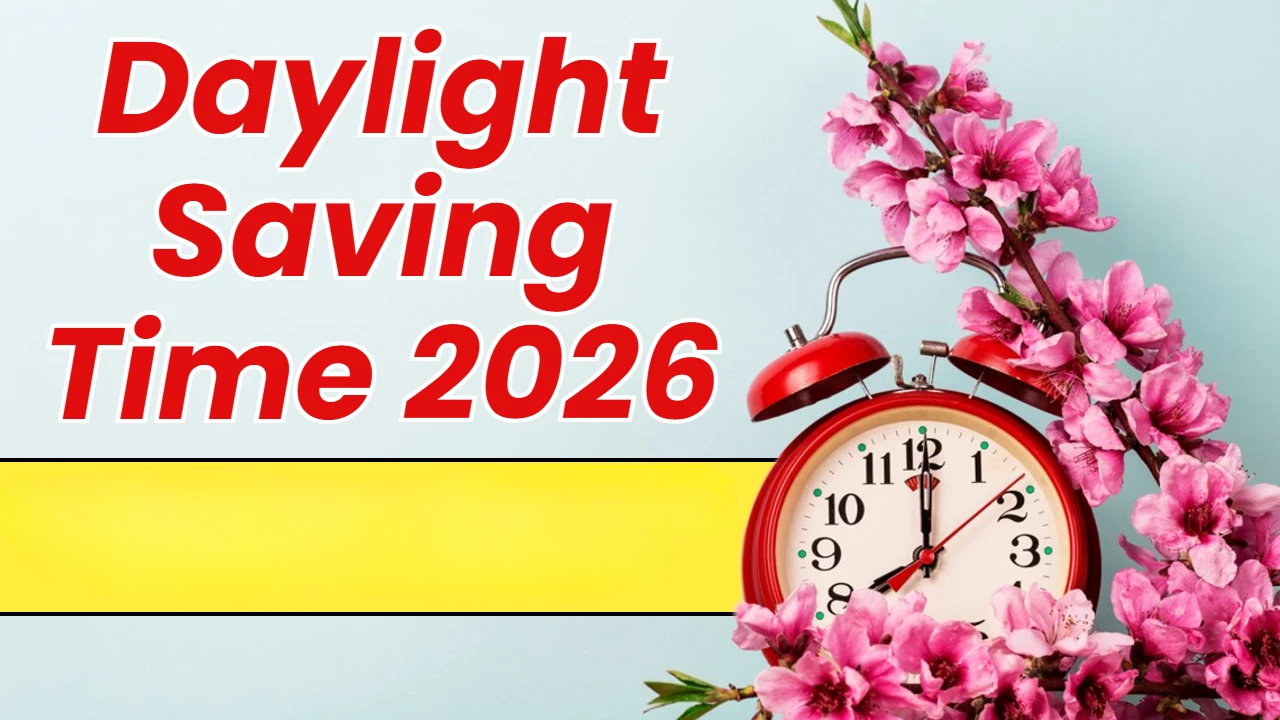
Daylight Saving Time (DST) has been part of modern life for decades, yet it still manages to confuse millions of people annually. Even those who know the phrase “spring forward, fall back” often pause to double-check the date or worry they’ll adjust their clocks the wrong way. In 2026, just like every other year, clocks will change again—and knowing the exact timing can save you from missed appointments, late alarms, and unnecessary stress.
This guide breaks down Daylight Saving Time 2026, explains when clocks fall back, why it happens, who follows it, and how it affects daily life, health, and even the economy.
Daylight Saving Time 2026: Quick Overview
| Detail | Information |
|---|---|
| Program Name | Daylight Saving Time 2026 |
| Countries | Varies (US, EU, Canada, Australia, etc.) |
| Purpose | Better use of daylight, energy considerations |
| Spring Start | March 2026 |
| Fall End | November 2026 (US) / October 2026 (EU) |
| Time Change | +1 hour in spring, −1 hour in fall |
| Clock Change Time | Usually 2:00 AM local time |
| Official Reference | time.gov |
What Is Daylight Saving Time?
Daylight Saving Time is the practice of moving clocks forward by one hour in spring and back by one hour in autumn. The idea is simple: shift daylight from the early morning to the evening, when people are more likely to be awake and active.
Contrary to popular belief, DST doesn’t create more daylight. The total amount of sunlight stays the same—it’s just redistributed across the clock. The correct term is Daylight Saving Time, not “Daylight Savings Time,” although the latter is commonly used.
The system was introduced to better align human activity with natural light. Supporters argue it allows more time for work, leisure, and outdoor activity in the evenings. Critics counter that it disrupts sleep, health, and daily routines.
When Do Clocks Fall Back in 2026?
This is the part most people care about—especially those looking forward to an extra hour of sleep.
United States
- Fall Back: Sunday, November 1, 2026
- At 2:00 AM, clocks move back one hour to 1:00 AM.
Europe (UK, Germany, most EU countries)
- Fall Back: Sunday, October 25, 2026
- At 1:00 AM UTC, clocks move back one hour.
That means evenings will get darker earlier, but mornings will have more light.
“Spring Forward” vs “Fall Back” – An Easy Way to Remember
People often rely on a simple phrase to avoid confusion:
- Spring Forward: In spring, clocks move forward one hour. You lose an hour of sleep but gain more evening daylight.
- Fall Back: In autumn, clocks move back one hour. You gain an extra hour of sleep, but evenings get darker sooner.
If you’re ever unsure, remember: spring = less sleep, fall = more sleep.
Who Follows Daylight Saving Time?
Despite how common it feels, less than 40% of countries worldwide observe DST. Many regions near the equator skip it entirely because daylight hours barely change throughout the year.
Countries and Regions That Commonly Use DST
- United States (most states)
- Canada (most provinces)
- United Kingdom
- European Union countries
- Australia (some states)
Places That Do Not Follow DST
- Hawaii (US)
- Most of Arizona (US)
- Many countries in Africa, Asia, and South America
Each country sets its own rules, which is why global schedules can be confusing—especially for travel, international business, and online events.
Global DST Schedule Comparison (2026)
| Country / Region | DST Start (Spring) | DST End (Fall) | Shift |
|---|---|---|---|
| United States | March 8, 2026 | November 1, 2026 | 1 hour |
| United Kingdom | March 29, 2026 | October 25, 2026 | 1 hour |
| Germany | March 29, 2026 | October 25, 2026 | 1 hour |
| Australia (NSW, VIC, SA) | October 4, 2026 | April 5, 2026 | 1 hour |
Why Do Time Changes Matter?
Changing the clock might seem minor, but it has real effects on daily life, health, and even the economy.
1. Health and Sleep
Our bodies run on internal clocks known as circadian rhythms. Even a one-hour shift can disrupt sleep patterns, leading to:
- Fatigue and grogginess
- Mood changes and irritability
- Reduced concentration
- Short-term increase in heart-related risks after time changes
Many sleep experts argue that staying on one fixed time year-round would be healthier.
2. Energy Use and Money
DST was originally designed to save energy, but modern research shows the savings are often minimal—or sometimes nonexistent. However:
- Longer daylight evenings can boost retail, dining, and tourism
- Outdoor activities increase
- People may feel more motivated to go out after work
At the same time, productivity losses from fatigue and confusion can cost businesses money.
3. Technology and Global Coordination
Different countries switching clocks on different dates can create chaos for:
- International meetings
- Airline schedules
- Financial markets
- Software systems
Most modern devices update automatically, but not all systems do—leading to costly mistakes if schedules aren’t double-checked.
How Clock Changes Work in Practice
Most smartphones, computers, tablets, and smart TVs adjust automatically. However, some items still need manual changes:
- Analog wall clocks
- Wristwatches
- Car dashboards (in older vehicles)
- Kitchen appliances
- Office time clocks
A good habit is to check these the night before or first thing in the morning after the change.
Economic Benefits and Challenges of Daylight Saving Time
DST subtly reshapes how societies function. Longer evenings tend to:
- Increase consumer spending
- Encourage outdoor social life
- Support tourism and hospitality industries
On the downside:
- Sleep loss reduces productivity
- Workplace accidents slightly increase after clock changes
- Schools and families struggle with schedule disruptions
Because DST is so deeply embedded in infrastructure and habits, governments find it difficult to change or abolish without widespread coordination.
Frequently Asked Questions
Is Daylight Saving Time the same every year?
The concept stays the same, but exact dates can shift slightly depending on the calendar.
What time do clocks change?
Most regions adjust clocks at 2:00 AM local time.
Do smartwatches update automatically?
Most do, as long as they’re connected to a phone or network.
Why hasn’t DST been abolished if it causes problems?
Because it affects transport, business, energy policy, and international coordination. Changing it requires large-scale agreement.
The Bottom Line
Daylight Saving Time 2026 will once again reshape how our days feel—subtly but noticeably. In the United States, clocks fall back on November 1, 2026, while much of Europe does so on October 25, 2026. That extra hour of sleep is welcome, but the darker evenings remind us that winter is settling in.
Whether you love DST or wish it would disappear, one thing is certain: knowing the exact dates helps you stay in control of your schedule. A simple clock change can ripple through sleep, work, travel, and mood—so being prepared makes all the difference.