Every year, as seasons shift and daylight subtly changes its rhythm, millions of people are reminded that time itself is about to move—at least on the clock. Daylight Saving Time (DST) is one of those practices that feels both familiar and strangely disruptive. Most people know it’s coming, many forget the exact dates, and almost everyone feels its effects in one way or another.
In 2026, Daylight Saving Time will once again shape how we wake up, work, commute, socialize, and sleep. Understanding when the clocks change and how those changes influence daily life can help reduce confusion and make the transition smoother.
What Is Daylight Saving Time?
Daylight Saving Time is the practice of moving clocks forward by one hour in spring and back by one hour in autumn. The goal is to shift daylight into the evening hours during the warmer months, when people are more active.
It’s important to note that DST does not increase the total amount of daylight in a day. Instead, it reallocates daylight to later hours, giving brighter evenings at the expense of darker mornings.
Although often called “daylight savings time,” the correct term is Daylight Saving Time—without the “s.”
Daylight Saving Time 2026: Key Dates
The exact dates for DST vary by country, but in 2026 the schedule is as follows for many major regions.
United States
- DST Begins (Spring Forward): Sunday, March 8, 2026
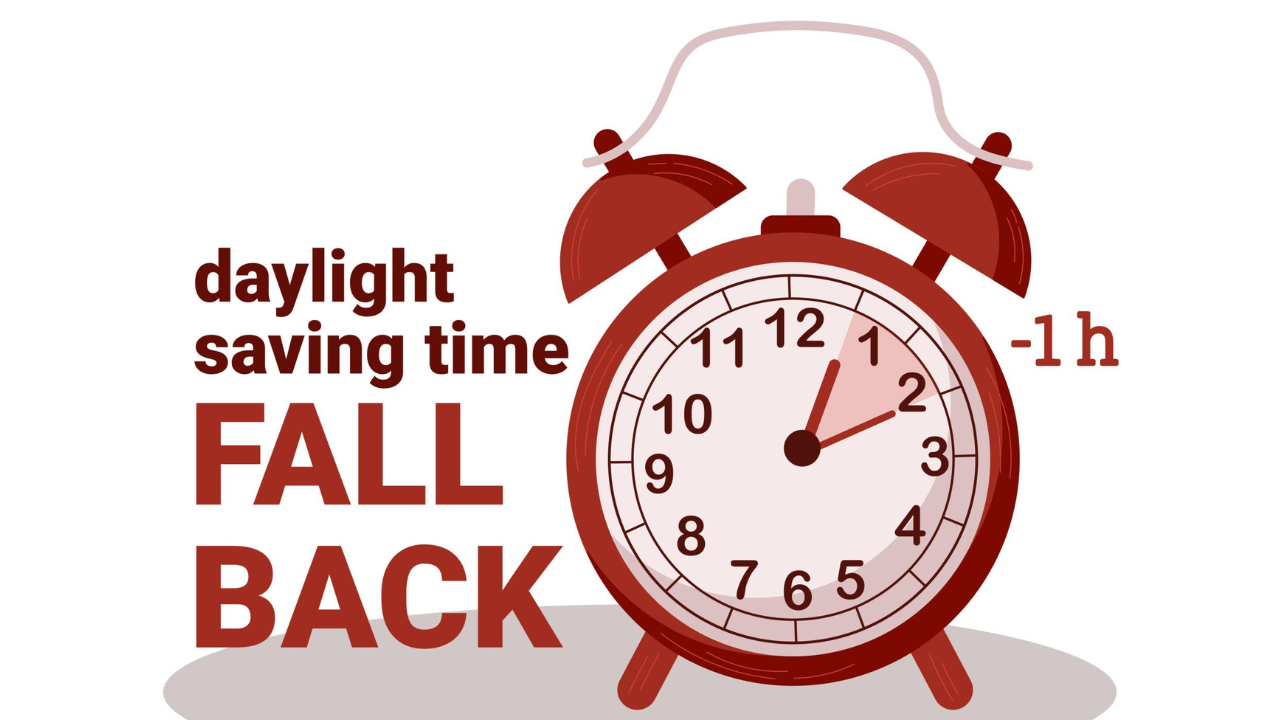
- DST Ends (Fall Back): Sunday, November 1, 2026
- Clocks change at 2:00 AM local time
Europe (UK, Germany, France, Spain, and most EU countries)
- DST Begins: Sunday, March 29, 2026
- DST Ends: Sunday, October 25, 2026
Other regions such as Australia, New Zealand, and parts of South America follow different schedules depending on their hemisphere and local policies.
Why Do We Observe Daylight Saving Time?
The main purpose of Daylight Saving Time is to make better use of natural daylight, particularly during spring and summer. Longer daylight in the evening allows more time for outdoor activities, reduces reliance on artificial lighting, and aligns waking hours with daylight.
Historically, DST has roots in energy conservation. While often linked to Benjamin Franklin, who jokingly suggested people wake earlier to save candles, modern DST began during World War I to reduce fuel consumption. It resurfaced during World War II and later became a standard practice in many countries.
Today, the motivation is less about fuel and more about lifestyle, economics, and social patterns.
The Pros and Cons of Daylight Saving Time
Despite being widely used, DST remains controversial. Supporters and critics often point to very different outcomes.
Advantages of DST
1. More daylight for evening activities
Extended daylight encourages outdoor recreation, social gatherings, exercise, and tourism.
2. Economic stimulation
Retail, hospitality, and entertainment sectors often benefit when people are more active in the evenings.
3. Potential safety benefits
Some studies suggest fewer traffic accidents and reduced crime during brighter evening hours.
Disadvantages of DST
1. Disrupted sleep and health issues
Losing an hour of sleep in spring can disturb circadian rhythms, leading to fatigue, irritability, and reduced concentration.
2. Short-term increase in accidents
Research has shown spikes in traffic accidents and workplace errors immediately after the time change.
3. Reduced productivity
Employees may feel less focused for several days as their bodies adjust to the new schedule.
Daylight Saving Time and Health
Health experts have long debated the effects of DST. The body’s internal clock, or circadian rhythm, does not adjust instantly to time changes.
Common short-term effects include:
- Sleep deprivation
- Mood swings
- Difficulty concentrating
- Increased stress
Some studies have also linked the spring time change to a temporary increase in heart-related incidents. On the positive side, longer daylight hours can encourage more physical activity, which benefits overall health.
Because of these mixed outcomes, some medical organizations advocate for permanent standard time rather than seasonal clock changes.
How DST Affects Daily Life
Daylight Saving Time quietly influences many parts of everyday routine.
Work and Productivity
The days immediately following a clock change can feel disorienting. Employees may arrive late, feel sluggish, or struggle to concentrate. Over time, however, longer evenings may support better work-life balance by freeing up daylight after work.
Family and Social Life
Extended daylight often means more time for family activities, walks, sports, and social events. Parents may notice children staying active longer in the evening, while mornings can become more rushed.
Economic Activity
Longer daylight hours tend to increase spending on dining, shopping, and entertainment. Tourism and outdoor businesses often see a seasonal boost during DST months.
Technology and Scheduling
Most smartphones, computers, and smart devices adjust automatically. However, analog clocks, car dashboards, and some appliances still require manual changes, which can lead to missed alarms or appointments if forgotten.
Countries That Observe Daylight Saving Time in 2026
Not all countries follow DST. Those that do include:
- United States
- Canada
- United Kingdom
- Germany
- France
- Italy
- Spain
- Australia (select regions)
- New Zealand
- Chile
Countries near the equator, such as India, generally do not observe DST because daylight length remains fairly constant year-round.
Why DST Continues to Be Debated
Despite its long history, DST remains controversial. Some governments have explored abolishing it, while others continue to support it for economic or social reasons.
Challenges to ending DST include:
- International coordination
- Transportation schedules
- Business operations
- Technology systems
Changing or removing DST would require large-scale planning and agreement across regions.
Tips to Adjust Smoothly to Daylight Saving Time
To reduce the impact of time changes, experts recommend:
- Going to bed 15–20 minutes earlier for a few days before the change
- Getting morning sunlight to reset your internal clock
- Avoiding caffeine and heavy meals late in the evening
- Double-checking non-digital clocks and devices
Small adjustments can make a noticeable difference in how your body adapts.
The Bigger Picture: What DST Means for the Future
In 2026, Daylight Saving Time will once again shape daily routines for millions of people. While it offers clear benefits—especially in terms of evening daylight and economic activity—it also brings health and productivity challenges that are increasingly hard to ignore.
Whether DST continues in its current form or evolves into a permanent time system remains an open question. For now, the best approach is awareness: knowing when clocks change, why they change, and how to adapt.
Frequently Asked Questions
Does every country observe Daylight Saving Time in 2026?
No. Many countries do not observe DST at all, and some regions within countries opt out.
Will India observe DST in 2026?
No. India does not follow Daylight Saving Time.
What time do clocks change?
In most regions, clocks change at 2:00 AM local time.
Does DST affect health?
Yes. It can disrupt sleep and concentration, especially in the days following the time change.