The light feels wrong before anyone can explain it.
Colors take on a strange, metallic tone, as if the world has slipped into a different setting. Birds cut their songs short. In towns along the path of totality, people drift out of offices and kitchens holding cardboard eclipse glasses and unfinished coffees, staring up at a sun that suddenly looks… smaller. Bitten.
Cars pull over on highways. A dog whines at the sky. Someone mutters a quiet swear.
No one says it out loud, but everyone feels it: something enormous is about to happen.
The Slow Arrival of an Unnatural Night
At first, the change is subtle. The sun still shines, the day still feels bright, yet the light flattens, like an old film losing contrast. Shadows sharpen into thin, unnerving outlines. The temperature drops just enough for people to cross their arms without knowing why.
Then the moon’s shadow grows.
Through certified eclipse glasses, the sun looks like a clock being eaten away, minute by minute. People who swore they “weren’t that interested” find themselves staring, whispering, “Is it starting?”
In cities and small towns along the eclipse path, parks and rooftops are expected to overflow. Hotels booked out months ago. Flights quietly added. Tourism boards branded the week as “Eclipse Week,” complete with glossy posters and countdowns.
This isn’t just an astronomical event. It’s a migration.
Why Scientists Are Paying Close Attention
As the moon’s shadow races across the Earth at more than 1,500 km/h, scientists will chase it with mobile observatories, cameras, and sensors. The reason is simple: this eclipse lasts longer than most.
Those extra minutes of totality matter.
They allow researchers to capture rare, high-resolution images of the sun’s corona, measure rapid temperature shifts in the atmosphere, and observe how animals react when daylight abruptly fails. The universe follows precise mechanics, but on the ground, the experience feels anything but clinical.
When totality arrives, day doesn’t gently fade—it transforms.
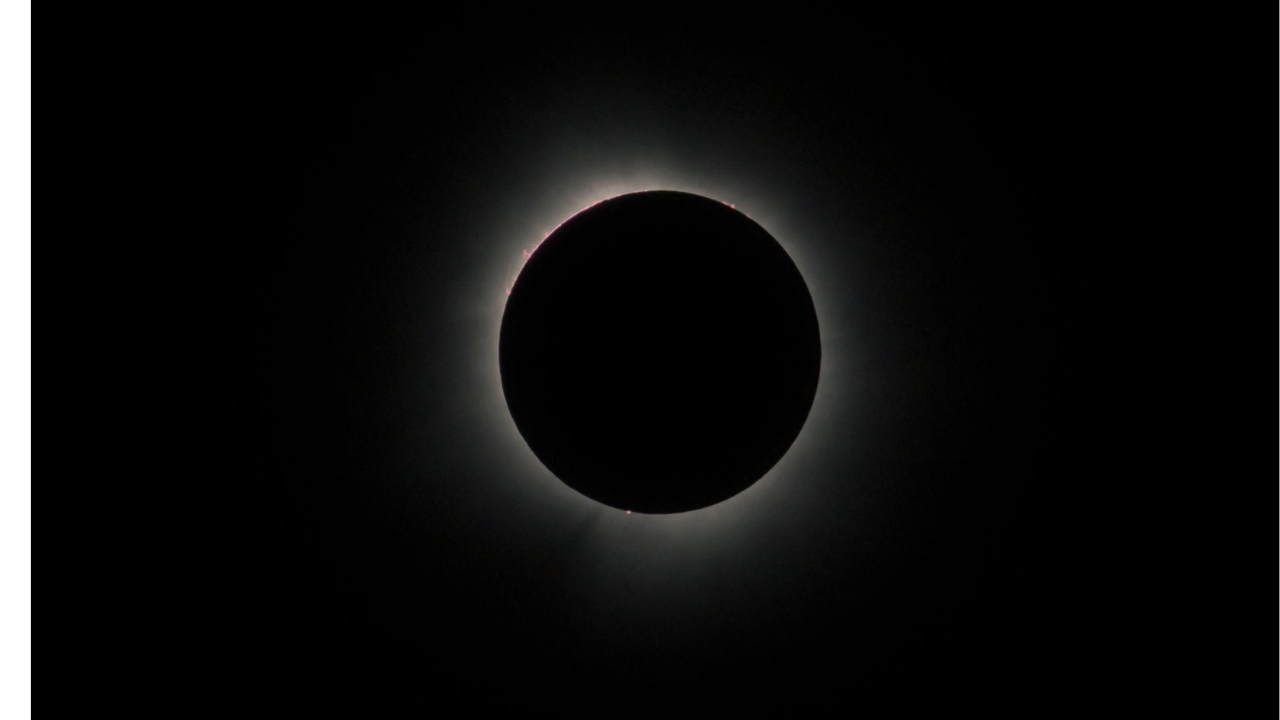
The sky drops into deep twilight. Streetlights flicker on. The sun’s blinding disk disappears, replaced by a pale, ghostly halo suspended in darkness. For a few surreal minutes, the world feels paused.
How to Experience the Eclipse Properly (Not Just Glance at It)
If you want more than a quick look and a scroll through other people’s photos, preparation matters.
Choose your viewing spot early: a clear horizon, minimal buildings, and somewhere you won’t be fighting crowds or traffic. Arrive well before the eclipse begins so your eyes and body can register the slow, eerie change in light.
Bring:
- Certified eclipse glasses (ISO 12312-2 compliant)
- A backup pair
- Layers for the sudden temperature drop
- Water and snacks
And then—this is the hard part—put your phone away for at least part of totality. This exact alignment will not repeat in your lifetime.
People often underestimate how disorienting the moment can be. Weeks of planning dissolve into frantic camera adjustments or social media refreshing. The sky doesn’t care. Let it happen.
If you’re with children, explain what’s coming so the darkness feels like a story, not a shock. If you’re alone, that’s fine too. Bring a notebook, or just your thoughts. When the air cools and the birds fall silent, notice how your body reacts.
During a previous total eclipse, one solar physicist described the crowd’s response in a single word: “Primal.” People cried, laughed, shouted, or stood completely still—something ancient in the brain recognizing a sky it hasn’t seen in thousands of years.
What to Know Before, During, and After
Before the eclipse
- Check exact local timings: first contact, totality, and end
- Choose your viewing location early
During partial phases
- Only look at the sun using certified eclipse glasses or solar filters
At totality
- You may briefly remove your glasses only when the sun is fully covered
After the shadow passes
- Write down how it felt, not just what it looked like
That last part matters more than you think.
When the Light Returns
As the moon drifts away and daylight slowly floods back, people don’t immediately scatter. Strangers talk. Someone shares coffee from a thermos. A child asks why the birds went quiet. An adult suddenly remembers a science lesson they haven’t thought about in decades.
This is the quiet power of a total solar eclipse. It bends routine just enough for awe to slip through. It reminds us—briefly, humblingly—that our schedules, screens, and arguments are tiny compared to a moon casually blocking a star 150 million kilometers away.
For a few minutes, millions of people will look up at the same sky and feel the same disbelief.
Day will return. But the memory of that slow, impossible night will stay.
Key Takeaways
| Key Point | Detail | Value for the Reader |
|---|---|---|
| Longest totality of the century | Several uninterrupted minutes of darkness | A rare, once-in-a-lifetime experience |
| Safety matters | Certified eclipse glasses are essential | Protects eyesight and reduces stress |
| Emotional impact | Shared awe creates spontaneous connection | Turns strangers into temporary communities |
FAQ
How long will totality last?
Depending on location, totality can last several minutes—longer than most eclipses this century.
Is it ever safe to look without glasses?
Only during full totality, when the sun is completely covered. At all other times, eye protection is essential.
Are eclipse glasses enough, or do I need more equipment?
For viewing, glasses are enough. Telescopes and cameras require solar filters.
Is it worth watching outside the path of totality?
Yes, but the full emotional impact only happens within the path of totality.
Why do animals behave strangely?
The sudden darkness and temperature drop disrupt their internal clocks, triggering nighttime behavior.