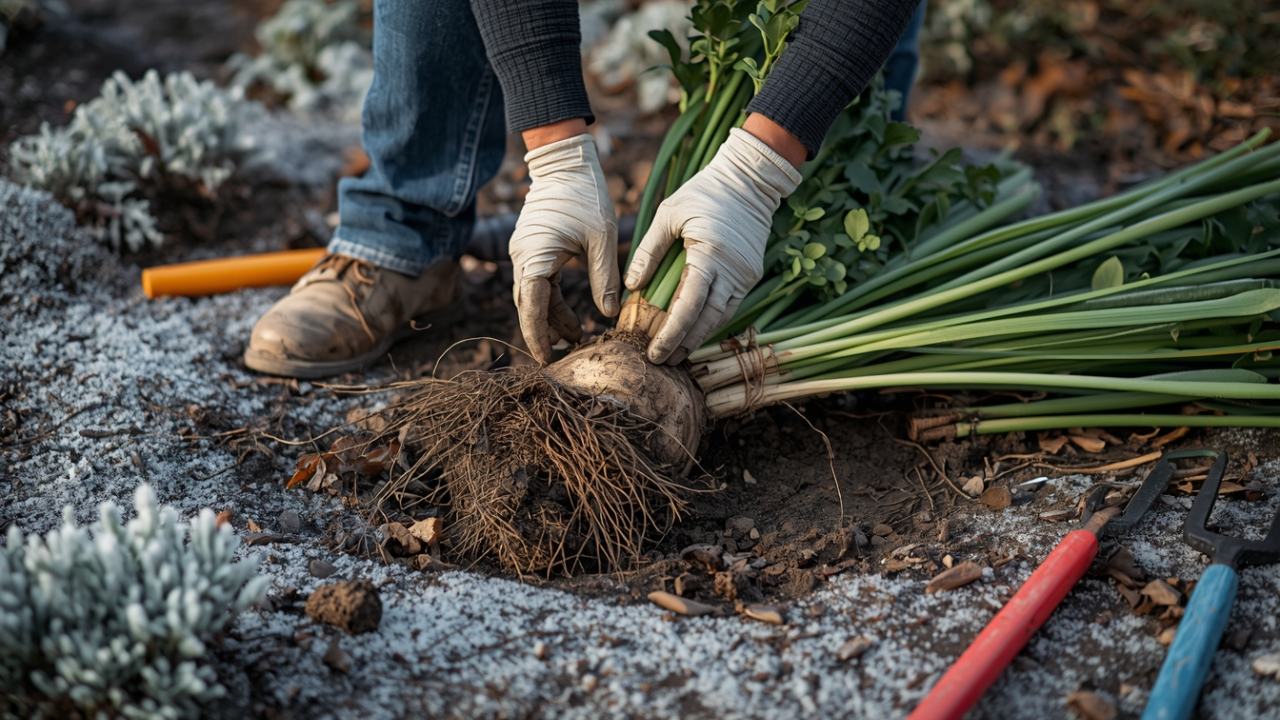
Gardeners often assume that plant care should begin once spring arrives. However, experienced horticulturists know that one of the most important garden tasks actually happens in winter. Dividing perennials in late January gives plants a strong start before the growing season begins.
If you wait until February or early spring, you may already be late for certain hardy perennials. Proper timing can dramatically improve plant health, increase flowering, and help you multiply plants without spending extra money.
Let’s explore why winter is the perfect time for dividing perennials and how you can do it successfully.
Why Late January Is the Perfect Time to Divide Perennials
Many hardy perennials enter deep dormancy during winter. During this stage, plants conserve energy, and their visible growth disappears. This resting phase makes them less sensitive to root disturbance.
Dividing plants during dormancy allows roots to recover before active spring growth begins. Winter moisture also softens soil, making it easier to dig and remove plants without damaging root systems.
Key Benefits of Dividing Perennials in Winter
- Reduces plant stress during transplanting
- Encourages stronger root growth before spring
- Improves flowering and plant productivity
- Prevents overcrowding in garden beds
- Helps gardeners multiply plants at no cost
Professional gardeners often divide plants in late January because it gives new plant divisions enough time to establish themselves before warmer temperatures arrive.
Signs Your Perennials Need Division
Not all perennials require frequent division. However, certain signs indicate that a plant is overcrowded or losing vigour.
Watch for These Warning Signs:
- Reduced flowering compared to previous seasons
- Dead or woody plant centres
- Overgrown clumps spreading into nearby plants
- Poor plant shape or uneven growth
Most perennials benefit from division every three to five years.
Best Perennials to Divide in Late January
Certain hardy and deciduous perennials respond extremely well to winter division. These plants usually disappear above ground during winter and regenerate quickly after splitting.
1. Daylilies (Hemerocallis)
Daylilies are among the easiest plants to divide because they have thick, fleshy roots. Dividing them rejuvenates flowering and creates multiple new plants.
2. Autumn Asters
Asters often develop woody stems over time. Splitting them keeps plants compact and improves bloom production.
3. Phlox Paniculata
Older phlox plants may develop weak flowering centres. Division stimulates fresh growth and stronger flowering stems.
4. Coreopsis and Rudbeckia
These popular flowering perennials grow quickly and respond positively to periodic splitting.
5. Hostas
Hostas can be divided before new shoots appear in spring. They recover quickly when soil conditions remain workable.
Perennials You Should NOT Divide in Winter
Some plants are sensitive to root disturbance or are already preparing for early blooms. Dividing these species during winter can reduce flowering or damage plant health.
Avoid Dividing:
- Hellebores
- Peonies
- Winter-flowering perennials
- Plants already showing new growth
These plants should be divided during their natural dormant phase later in the year.
Step-by-Step Guide to Dividing Perennials
Dividing perennials may look intimidating, but the process is simple when done carefully.
Step 1: Choose the Right Day
Select a day when soil is soft but not frozen or waterlogged. Extremely wet soil can damage root systems during lifting.
Step 2: Lift the Plant Carefully
- Dig a wide circle around the plant using a spade or fork
- Keep a safe distance from stems to protect roots
- Gently lift the entire plant clump
- Shake off loose soil to expose root structure
You will usually notice younger roots around the edges and older, weaker growth at the centre.
Step 3: Divide the Clump
There are two main methods:
Hand Division
Plants with flexible roots can often be separated by pulling sections apart.
Tool Division
Dense root systems may require cutting with a sharp knife, spade, or pruning saw.
Each division should contain:
- Healthy roots
- At least one growth bud or shoot
Avoid planting extremely small or weak divisions.
Step 4: Replant Quickly
Fresh roots can dry out quickly in winter wind, so replant divisions the same day.
If planting must be delayed:
- Temporarily plant divisions in loose soil
- Store them in containers with compost
Step 5: Prepare the Soil
Before planting divisions:
- Loosen planting soil thoroughly
- Mix organic compost or fertiliser
- Ensure proper drainage
Healthy soil encourages faster root recovery.
Step 6: Plant at Correct Depth
Position plant crowns at soil level. Planting too deeply can cause rot, while shallow planting exposes roots to frost damage.
Step 7: Water and Mulch
Water newly planted divisions thoroughly. Even in winter, watering helps settle soil around roots.
Add mulch such as:
- Straw
- Leaves
- Bark chips
Mulch protects roots from frost and improves moisture retention.
How Dividing Perennials Saves Money
Garden plants can be expensive, especially when filling large flower beds. Division allows gardeners to multiply plants naturally.
For example:
- One mature daylily clump can produce five or more new plants
- Multiple divisions can create repeating patterns across garden beds
- Gardeners save significant money on plant purchases
This method also improves garden design by allowing consistent plant spacing.
Common Mistakes to Avoid When Dividing Perennials
Even experienced gardeners sometimes make simple errors.
Avoid These Mistakes:
- Dividing plants when soil is frozen
- Leaving roots exposed to wind for too long
- Planting divisions that are too small
- Ignoring soil improvement before replanting
- Dividing plants during active growth
Following proper timing and technique dramatically increases success rates.
Understanding Dormancy and Plant Recovery
Dormancy is a natural resting stage where plant growth slows. Although visible growth stops, root systems continue minimal activity.
Dividing plants during dormancy allows roots to heal and regenerate gradually. By spring, these plants are ready to produce strong new shoots and flowers.
How Dividing Perennials Improves Garden Health
Besides increasing plant numbers, division helps maintain overall garden vitality.
Benefits Include:
- Reduces plant disease caused by overcrowding
- Improves airflow between plants
- Encourages nutrient absorption
- Creates fuller, balanced garden displays
Regular division is one of the easiest ways to maintain long-term plant health.
Real-Life Gardening Scenario
Imagine two gardeners managing identical flower beds.
The first gardener waits until spring to divide plants, disturbing new growth and slowing flowering.
The second gardener divides plants during late January dormancy. By summer, this garden usually shows stronger blooms, healthier plants, and better spacing.
Timing often makes the biggest difference in gardening success.
Conclusion
Late January is one of the most overlooked yet valuable periods for dividing hardy perennials. While gardens appear dormant, plants are quietly preparing for the next growing season.
Dividing perennials during this time reduces plant stress, encourages vigorous growth, and helps gardeners multiply plants naturally. With proper techniques and timing, you can transform a single mature clump into several healthy plants.
By taking advantage of winter dormancy, gardeners can create fuller, healthier, and more visually balanced gardens without additional cost.