Sarah believed she had hired the perfect dog sitter. The woman came highly rated, shared cheerful updates, and seemed genuinely fond of Max—Sarah’s friendly golden retriever. Installing a home camera wasn’t about mistrust; it was simply a way to check how Max was coping during her frequent work trips.
Three days into her trip, during a casual lunch break, Sarah opened her camera app—and froze.
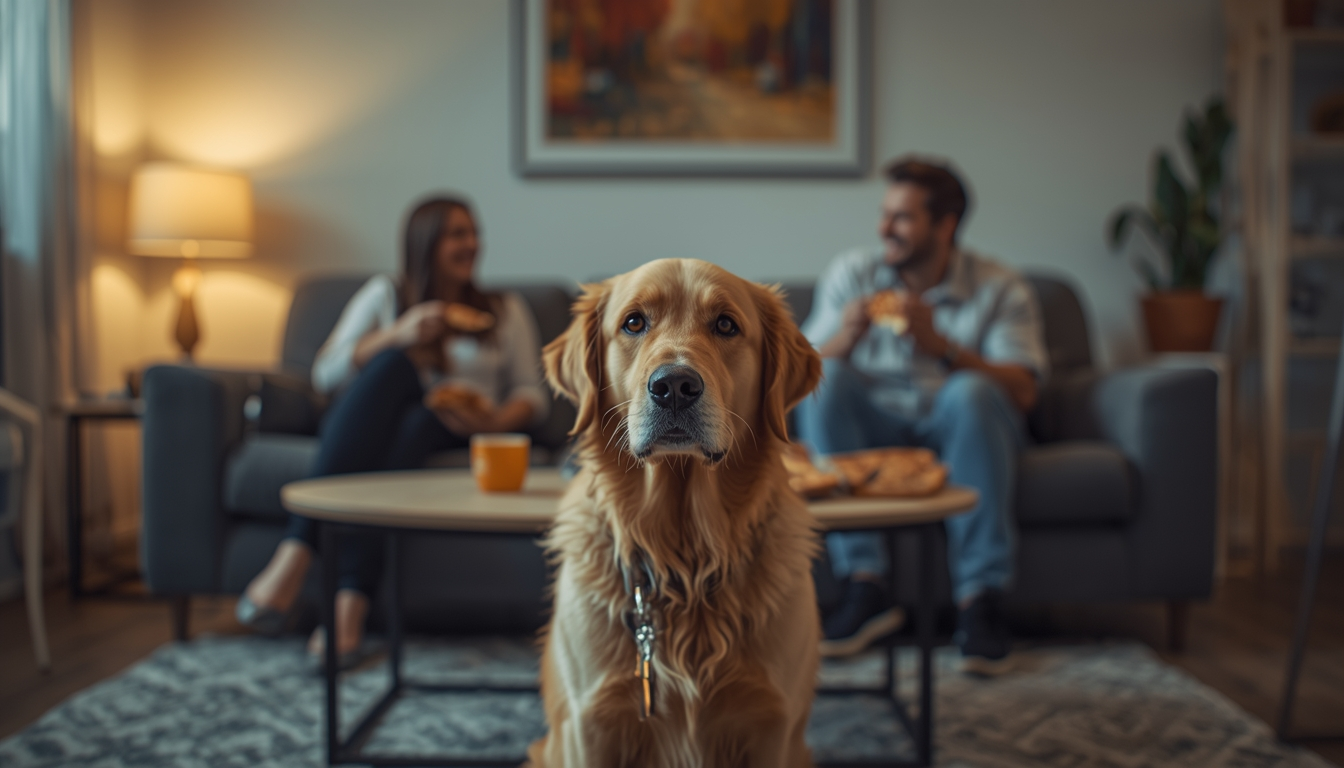
Her living room looked different. Not messy. Not damaged. Just occupied. Three strangers were lounging on her couch, eating pizza, laughing, and behaving as if they belonged there. Max wagged his tail happily nearby.
Without permission. Without notice.
The dog sitter had turned Sarah’s apartment into a social hangout.
When Home Cameras Reveal More Than Pet Owners Expect
As home security cameras become common among pet owners, stories like Sarah’s are increasingly surfacing. What starts as a tool to check on pets often turns into an unexpected glimpse into how some sitters treat their clients’ homes.
The rapid rise of pet-sitting apps and gig-based services has blurred professional boundaries. While many sitters are responsible and trustworthy, others operate in a gray zone—assuming freedoms that were never granted.
According to pet care consultant Jennifer Martinez:
“I’ve seen sitters invite friends over, use personal streaming accounts, eat food without asking, and even host small gatherings. Cameras are simply revealing what used to go unnoticed.”
What Dog Sitter Home Camera Footage Commonly Reveals
Pet owners who review footage often discover a range of behaviors—some minor, others deeply concerning.
| Common Issue Identified | Frequency Reported | Risk Level |
|---|---|---|
| Bringing friends or partners over | 35% | High |
| Ignoring pet care instructions | 40% | Medium |
| Using owner’s streaming accounts | 28% | Low |
| Eating owner’s food | 22% | Medium |
| Overnight guests | 18% | High |
| Going through personal items | 12% | Very High |
The most serious concern isn’t convenience—it’s security.
Unauthorized visitors gain access to:
- Personal belongings and valuables
- Home layouts and security routines
- Daily schedules
- Spare keys or access codes
Trust, once broken, is difficult to rebuild.
Why This Feels Like a Violation for Homeowners
Many sitters argue that having company makes long stays easier or that social dogs enjoy extra interaction. The issue, however, isn’t companionship—it’s consent and communication.
Real estate attorney Lisa Park explains:
“Anyone with house keys effectively becomes a temporary resident. That level of access requires full transparency.”
If damage occurs or items go missing, liability becomes complex. Most pet-sitting platforms offer limited insurance—and almost none cover unauthorized guests.
Beyond financial risk, the emotional impact is significant. Discovering strangers in your home can feel deeply intrusive, leaving homeowners feeling exposed and betrayed.
How Pet Owners Can Protect Themselves
The pet-sitting industry remains lightly regulated, making proactive planning essential. Home cameras help—but they shouldn’t be the only safeguard.
Smart steps every pet owner should take:
- Clearly state “no visitors” (or allowed exceptions) in writing
- Inform sitters about camera locations upfront
- Use real-time camera alerts
- Lock away valuables and sensitive documents
- Schedule regular check-ins during long stays
One experienced pet owner shared:
“I always ask sitters directly if they ever bring friends or family. Their answer—and reaction—tells me everything.”
Clear expectations prevent uncomfortable surprises.
FAQs
Is it legal to record a dog sitter inside my home?
In most places, recording inside your own home is legal. However, best practice is to inform sitters that cameras are present.
What should I do if my sitter brings unauthorized guests?
Address it immediately. If trust is broken, consider ending the arrangement and reporting the incident to the platform.
Can I be liable if a sitter’s guest gets injured?
Yes, in some cases. Liability depends on homeowner’s insurance and local laws—another reason unauthorized visitors are a serious issue.
Should I tell sitters where cameras are located?
Yes. Transparency builds trust and sets professional boundaries.
Are professional pet-sitting services safer than app-based sitters?
Generally yes. Professional services often carry insurance and stricter screening, though they cost more.
Should valuables be secured even with trusted sitters?
Absolutely. Securing valuables is always recommended whenever someone has access to your home.