Winter arrives quietly, but the debate it brings is familiar in households everywhere. As temperatures drop outside, people begin adjusting thermostats and wondering how to keep their homes warm without watching energy bills skyrocket. For decades, the widely accepted answer has been simple: set your heating to 19°C.
Today, energy experts say that rule belongs to the past. Changing lifestyles, improved home insulation, and modern heating technology are rewriting what “comfortable” and “efficient” heating really means.
Why the 19°C Rule Became Popular
The famous 19°C guideline was never originally based on comfort science or medical research. It emerged during the global oil crises of the 1970s, when governments urgently encouraged citizens to reduce energy consumption. At that time, homes were poorly insulated, windows leaked heat, and heating systems lacked advanced controls.
Setting indoor temperatures at 19°C was seen as a reasonable compromise between comfort and energy savings. It became a standard recommendation and remained widely accepted for decades.
However, housing has evolved dramatically since then. Many homes now include double or triple glazing, insulated walls, efficient boilers, heat pumps, and smart thermostats. These upgrades have fundamentally changed how heat moves and stays inside buildings.
As a result, experts argue that applying a single temperature rule to every home no longer reflects how people live or how modern heating systems operate.
Why Experts Now Recommend 20°C for Living Spaces
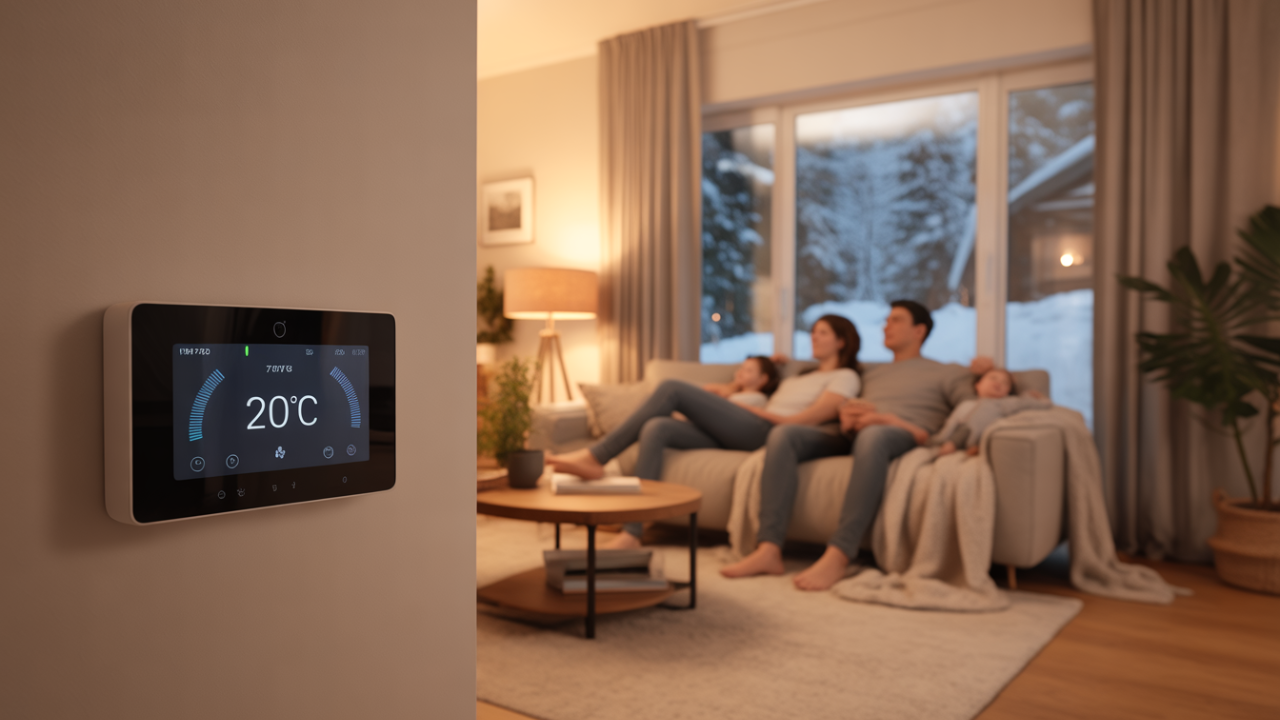
Energy specialists increasingly suggest that 20°C is a more realistic baseline temperature for main living areas such as living rooms and home offices.
At this temperature, most people feel comfortable while performing sedentary activities like reading, watching television, or working on computers. The body maintains core warmth more efficiently, reducing the need for constant movement or additional heating devices.
Humidity and air circulation also influence comfort. A slightly drafty room at 19°C can feel colder than a well-insulated room at 20°C. Balanced humidity levels and proper air sealing significantly improve how warm a room feels, even if the thermostat difference is only one degree.
Experts also highlight building health concerns. Homes kept too cold for extended periods are more likely to develop condensation on windows and walls. This moisture can promote mold growth, particularly behind furniture or in poorly ventilated corners. Maintaining a slightly warmer and more stable temperature helps reduce these risks.
The End of One Temperature for the Entire Home
Rather than recommending one universal temperature, experts now encourage a room-by-room heating strategy. Different rooms serve different purposes, and their ideal temperatures vary accordingly.
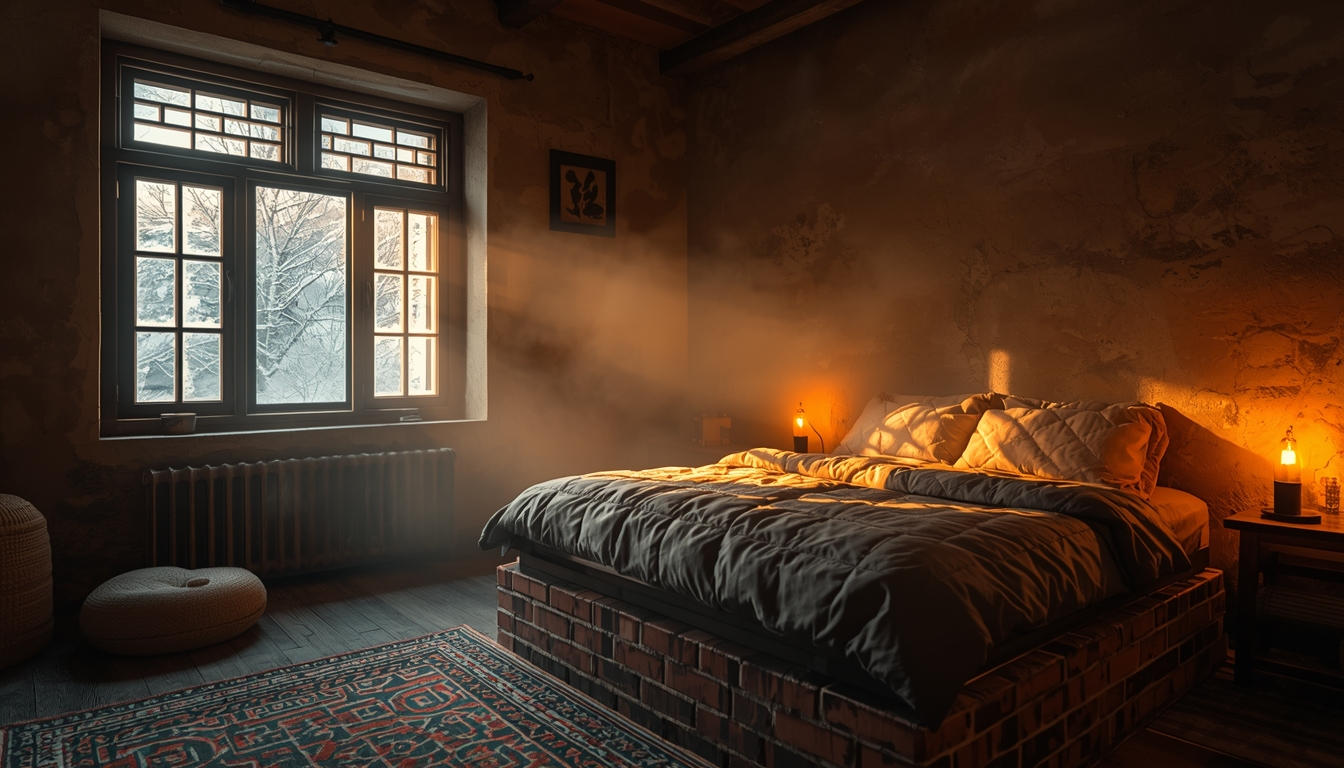
Living rooms and workspaces generally benefit from temperatures around 20°C because occupants spend extended time sitting still. Bedrooms, however, tend to promote better sleep when cooler, typically between 16°C and 18°C. Research suggests that slightly lower bedroom temperatures help regulate the body’s natural sleep cycles.
Bathrooms require warmer temperatures, around 22°C during use, to prevent discomfort when stepping out of showers or baths. Hallways and corridors can remain cooler, around 17°C, reducing heat loss without sacrificing comfort.
This approach transforms homes into multiple microclimates rather than maintaining identical heating levels throughout the entire building.
The Role of Smart Heating Technology
Modern heating technology has made flexible temperature control easier than ever. Older systems often relied on a single thermostat controlling an entire house, leading to uneven heating and wasted energy.
Today, smart thermostats and programmable radiator valves allow homeowners to customize heating schedules and temperatures for individual rooms. Mobile apps provide real-time monitoring, helping users adjust settings efficiently.
Manufacturers claim that properly used smart heating systems can reduce energy consumption by up to 15%. Although raising a thermostat by one degree may increase heating energy use by approximately 7%, improved comfort often reduces reliance on inefficient electric space heaters or constant manual adjustments.
In many cases, a slightly warmer but carefully controlled heating plan can reduce overall energy costs compared to cooler homes heated inefficiently.
Balancing Comfort, Energy Costs, and Environmental Impact
Modern households face increasing pressure to manage rising energy prices while reducing environmental impact. Experts emphasize that raising living room temperatures to 20°C does not mean excessive heating.
Instead, the goal is maintaining stable comfort while eliminating unnecessary heat waste. Lowering temperatures at night in living spaces, heating unused rooms less frequently, and scheduling bathroom heating only during active use are practical strategies for improving efficiency.
Simple home improvements can also enhance warmth without increasing thermostat settings. Sealing window drafts, installing heavy curtains, and placing reflective panels behind radiators help retain heat and improve overall comfort.
Understanding Thermal Comfort
Experts increasingly focus on thermal comfort rather than temperature alone. Thermal comfort includes air temperature, humidity, airflow, radiant heat from walls and windows, and clothing choices.
For example, a person sitting near a cold window may feel chilly even at 20°C because cold surfaces draw heat from the body. In contrast, well-insulated rooms with warm walls and minimal drafts feel significantly more comfortable at the same temperature.
Activity level also influences comfort. Physical tasks generate body heat, allowing individuals to tolerate cooler air. Sedentary activities require warmer environments to maintain comfort.
Real-Life Example of Modern Heating Strategy
Consider a medium-sized apartment previously heated uniformly at 19°C. Residents frequently felt cold in the living room and used electric heaters during evenings.
By adopting a room-specific approach, they adjusted the living room to 20°C during evening hours, reduced hallway temperatures to 17°C, maintained bedrooms between 16°C and 17°C overnight, and heated the bathroom to 22°C only during morning and evening routines.
Although the central heating system worked slightly harder in the living room, overall energy consumption remained stable because electric heater use disappeared. Residents reported improved comfort, balanced humidity, and more consistent indoor temperatures.
The Risks of Overheating and Underheating
Maintaining indoor temperatures that are too low can create health risks, particularly for elderly individuals or people with respiratory conditions. Prolonged exposure to cold indoor environments may increase vulnerability to illness and worsen existing health problems.
On the other hand, overheating homes above 22°C significantly increases energy consumption and carbon emissions, especially in homes relying on fossil fuel heating systems.
Experts recommend a balanced approach — slightly warmer living areas combined with cooler sleeping environments and smart heating control.
A New Way to Think About Home Heating
The shift away from the traditional 19°C rule reflects broader changes in technology, housing design, and lifestyle patterns. Instead of following a universal temperature guideline, modern heating strategies emphasize flexibility, efficiency, and personal comfort.
By adjusting temperatures according to room use and daily routines, households can maintain warmth, protect building health, and manage energy consumption more effectively.
The future of home heating is not about choosing one perfect number. It is about understanding how comfort works and using modern tools to create balanced indoor environments tailored to real-life living.
Key Takeaways
20°C Is the New Living Room Standard
Experts now recommend slightly warmer living spaces for improved comfort and health.
Room-by-Room Heating Improves Efficiency
Different spaces require different temperature levels depending on their use.
Smart Technology Supports Energy Savings
Programmable heating systems allow better control and reduce unnecessary energy use.
FAQ
Why is the 19°C rule outdated?
It was created during the 1970s energy crisis and does not reflect modern housing or heating technology.
Is heating to 20°C expensive?
It may increase consumption slightly but can improve efficiency and reduce reliance on additional heating devices.
What temperature is best for sleeping?
Most experts recommend 16°C to 18°C for better sleep quality.
Can smart thermostats really save money?
Yes, when used properly, they can reduce heating costs by optimizing temperature schedules.
Does heating affect mold growth?
Yes, maintaining stable indoor temperatures helps reduce condensation and mold risk.