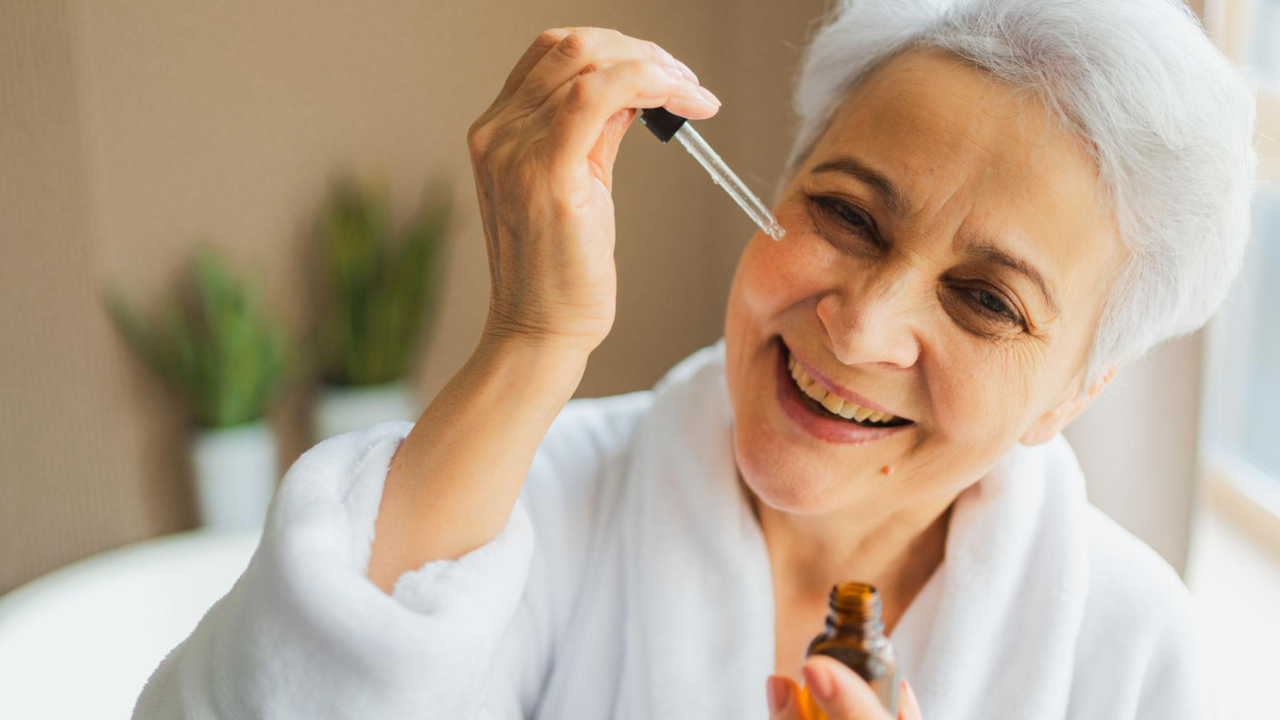
As people move into their 60s, skin naturally changes. Wrinkles deepen, elasticity reduces, and dryness becomes more noticeable. While luxury creams and anti-aging serums promise youthful skin, many older adults are shifting toward simple, natural, and affordable collagen-support routines that focus on nourishing the body from within and outside.
Collagen—the protein responsible for skin firmness and elasticity—declines significantly with age. However, lifestyle habits, diet choices, and natural skincare methods can help support the body’s natural collagen production.
Why Collagen Matters More After 60
Collagen acts like the structural support system for skin, joints, and connective tissues. By the age of 60, natural collagen production can drop by over 50%, which may lead to:
- Thinner skin
- Increased wrinkles
- Loss of firmness
- Reduced hydration
- Slower wound healing
Many commercial creams attempt to replace collagen externally, but collagen molecules are often too large to penetrate deep skin layers effectively. Supporting internal collagen production is often considered more beneficial for long-term skin health.
Natural Ingredients That May Support Collagen Production
A homemade collagen-support routine usually relies on simple ingredients easily found in most kitchens or local stores.
1. Bone Broth
Bone broth contains gelatin and amino acids like glycine and proline, which are building blocks of collagen. Drinking bone broth regularly may support skin hydration and joint health.
2. Egg Whites
Egg whites contain amino acids that contribute to collagen formation. When used as a face mask occasionally, they may provide temporary tightening and smoothing effects.
3. Aloe Vera
Aloe vera helps improve skin hydration and may support collagen stimulation. Fresh aloe gel or high-purity store-bought versions are commonly used.
4. Vitamin C-Rich Fruits
Fruits such as:
- Oranges
- Kiwi
- Strawberries
- Lemon
Vitamin C plays a critical role in collagen synthesis and supports skin brightness and repair.
5. Natural Face Oils
Plant-based oils like:
- Rosehip oil
- Jojoba oil
- Almond oil
These oils contain antioxidants and vitamins that may improve skin elasticity and circulation.
Simple Daily Collagen-Supporting Routine (10–15 Minutes)
Morning Routine
1. Warm Lemon Water
- Supports hydration
- Provides vitamin C
2. Gentle Facial Massage
- Use 2–3 drops of natural oil
- Massage for 2–3 minutes
- Helps stimulate circulation and lymphatic drainage
3. Sun Protection
- Apply sunscreen daily
- UV exposure is one of the biggest causes of collagen breakdown
Evening Routine
1. Aloe Vera Application
- Apply a thin layer to the skin
- Follow with a small amount of nourishing oil
2. Egg White Mask (1–2 Times Weekly)
- Whisk one egg white
- Apply for 15 minutes
- Rinse with lukewarm water
3. Night Hydration
- Drink herbal tea or bone broth
- Helps overnight skin repair and hydration
What Research Suggests About Natural Collagen Support
Research increasingly supports the idea that diets rich in protein, antioxidants, and healthy fats may help reduce visible signs of aging.
For example:
- Amino acids help form collagen fibers
- Vitamin C supports collagen production
- Omega-3 fatty acids help maintain skin elasticity
- Antioxidants protect collagen from environmental damage
While natural remedies may not completely reverse aging, consistent healthy routines can support overall skin health.
Habits That May Damage Collagen
Protecting collagen is just as important as boosting it. Certain habits can accelerate collagen loss.
Common Collagen Disruptors
- Excess sugar consumption
- Smoking or secondhand smoke
- Overexposure to sunlight without sunscreen
- Chronic dehydration
- Poor nutrition
Reducing these habits helps maximize the benefits of natural collagen routines.
Why Many Seniors Prefer Homemade Skincare
One major advantage of homemade routines is affordability. Most ingredients cost very little compared to premium anti-aging products.
Estimated Monthly Cost
- Usually under $10
- Uses multipurpose kitchen ingredients
- Reduces reliance on chemical-based skincare
Additionally, homemade routines allow full control over ingredients, which is especially helpful for sensitive or aging skin.
When Results May Be Noticeable
Natural skincare routines typically work gradually.
Most people may notice:
- Improved hydration within 3–4 weeks
- Better skin texture within 1–2 months
- Increased firmness with long-term consistency
Patience and regular application are essential.
Additional Lifestyle Tips That Support Collagen
Beyond skincare, overall health plays a major role in skin quality.
Helpful Daily Habits
✔ Stay hydrated
✔ Eat protein-rich meals
✔ Maintain balanced sleep patterns
✔ Manage stress levels
✔ Exercise regularly
✔ Avoid excessive alcohol
Healthy lifestyle choices directly influence skin regeneration and collagen maintenance.
Frequently Asked Questions
Can collagen be supported without supplements?
Yes, natural foods rich in protein, vitamin C, and antioxidants can help support collagen production.
Are egg white masks safe?
Generally yes, but patch testing is recommended, especially for sensitive skin.
Is store-bought aloe vera effective?
Yes, if it contains high-purity aloe without alcohol or artificial fragrance.
Does facial massage really help skin health?
Facial massage may improve circulation and lymphatic drainage, which supports overall skin appearance.
How long should I follow a natural collagen routine?
Consistency over several months provides the best results.
Important Safety Note
Natural routines can support skin health but cannot replace medical dermatological treatments. Individuals with skin conditions, allergies, or chronic health issues should consult a healthcare professional before trying new remedies.
Conclusion
Turning 60 doesn’t mean skin health must decline rapidly. With simple natural ingredients, mindful lifestyle choices, and daily self-care habits, many seniors can support their body’s natural collagen production.
Homemade collagen-support routines offer an affordable, gentle, and empowering approach to skincare—proving that sometimes the most effective beauty solutions are the simplest ones.