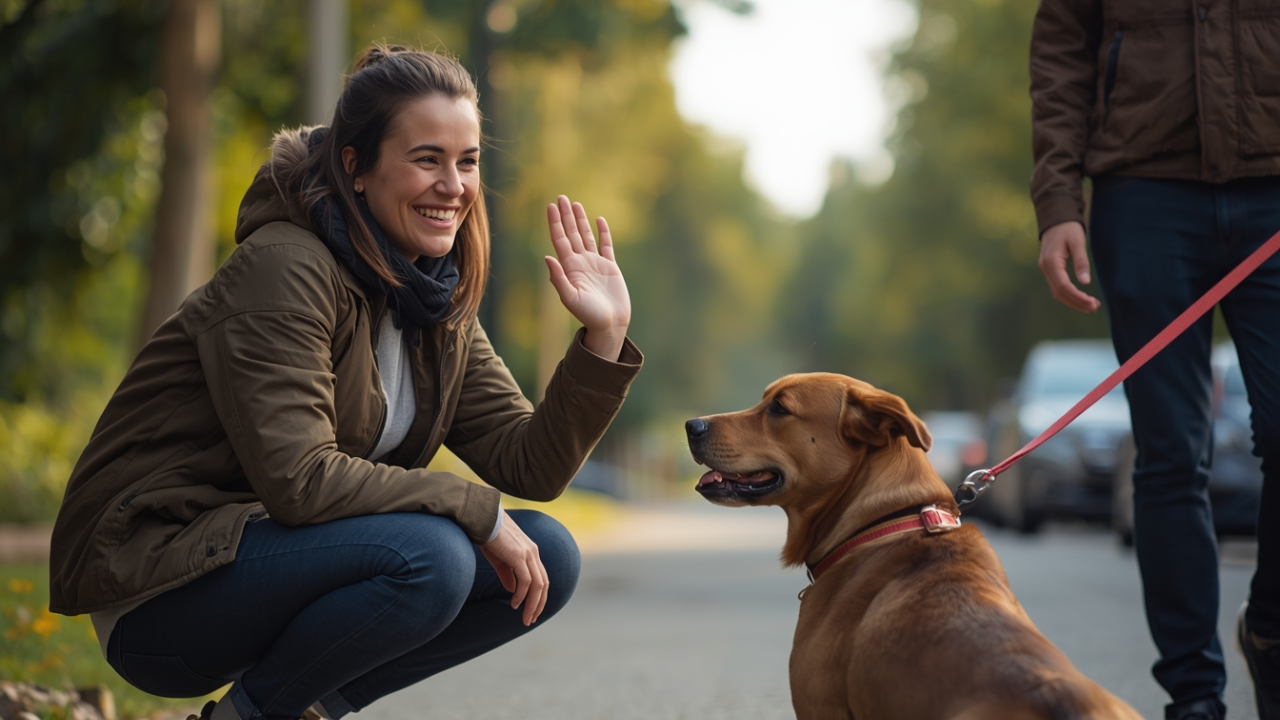
You are walking down the street, thinking about your day, when you notice a dog approaching on a leash. Almost automatically, you smile, wave, or whisper a soft “hello.” It may seem like a harmless, spontaneous reaction. However, psychologists suggest that this tiny social gesture may reveal deeper aspects of personality and emotional behavior.
Small, unconscious habits often act as behavioral fingerprints. Greeting unfamiliar dogs is one such micro-behavior that researchers say can reflect how people approach connection, empathy, and social interaction.
Why Small Gestures Can Reveal Personality
Psychologists often study everyday actions rather than major life decisions to understand personality traits. These subtle behaviors happen instinctively, which means they are less filtered by social expectations.
Greeting unknown dogs may seem trivial, but research into social micro-interactions suggests that individuals who do this regularly often demonstrate personality traits such as:
- Openness to new experiences
- Emotional warmth
- Social curiosity
- Higher empathy levels
These individuals typically view the world as a place full of potential interactions rather than simply a series of tasks or routines.
The Link Between Dog Greeting and Social Approach Behavior
Studies observing public social interactions have found that people who acknowledge unfamiliar dogs are more likely to engage in casual conversation with strangers later. These conversations are usually light and friendly, such as complimenting a pet or asking about its breed.
Psychologists refer to this tendency as “social approach orientation,” which describes how comfortable someone feels initiating low-risk social interactions.
Interestingly, this behavior does not always indicate extroversion. Many socially anxious individuals still greet dogs because interacting with animals often feels safer and less intimidating than speaking directly to strangers.
Dogs as Social Icebreakers
Animals, particularly dogs, play a unique role in human social behavior. They often act as neutral connectors between people.
Greeting a dog allows individuals to engage socially without immediate pressure. The interaction creates a shared moment between strangers that feels natural and non-threatening.
For individuals who struggle with social anxiety, acknowledging a dog may serve as a stepping stone toward building confidence in human interaction. A simple wave can sometimes lead to brief conversations or friendly exchanges with pet owners.
The Empathy Factor Behind Greeting Dogs
Psychologists also connect this behavior to empathy. Dogs communicate primarily through body language, tone, and emotional energy rather than spoken words.
People who instinctively greet dogs may be comfortable engaging in nonverbal emotional communication. This suggests sensitivity toward feelings, emotional awareness, and responsiveness to social cues.
Greeting a dog is, in many ways, acknowledging a living being without expecting verbal interaction in return. This reflects comfort with subtle emotional exchanges.
The Role of Safety and Comfort in Public Spaces
Another factor linked to greeting unfamiliar dogs is perceived personal safety. Individuals who feel secure in their surroundings are more likely to engage in spontaneous, non-essential social interactions.
When people feel threatened or overwhelmed, their attention focuses on scanning for danger rather than noticing social opportunities. Greeting dogs often indicates that someone’s nervous system feels relaxed enough to allow warmth and curiosity.
This does not mean individuals who avoid interacting with dogs feel unsafe. Cultural norms, personal experiences, or past fears of animals can also influence behavior.
Dogs as Emotional “Practice Spaces”
Some therapists believe that interactions with animals serve as low-pressure practice environments for human relationships. Because dogs respond to tone, posture, and energy, they offer immediate emotional feedback without judgment.
Individuals who easily connect with animals may find it easier to form human relationships once they feel comfortable and safe. This is why therapy programs often include animal-assisted interactions to help build social confidence.
How Greeting Dogs Reflects Emotional Needs
Greeting unfamiliar dogs may sometimes reveal underlying emotional states. For example:
- Seeking comfort during stressful periods
- Expressing playful or childlike emotional energy
- Looking for social connection without intense conversation
- Demonstrating nurturing or caring tendencies
Recognizing these emotional patterns can increase self-awareness and help individuals understand their social habits more clearly.
Using This Habit as a Social Awareness Tool
People who frequently greet dogs can use this behavior as a reflection tool rather than a personality label.
Consider asking yourself:
- Do I greet dogs more when I feel relaxed or lonely?
- Does it help me feel connected to my environment?
- Do I use it as a stepping stone to human interaction?
Observing patterns without judgment can provide insight into emotional needs and social comfort levels.
The Importance of Respecting Boundaries
While greeting dogs is often friendly and harmless, respecting boundaries is essential. Experts recommend following basic etiquette:
- Make eye contact with the owner before interacting
- Use relaxed, non-threatening body language
- Ask permission before petting the dog
- Avoid approaching dogs that appear anxious or distracted
Respectful interaction helps maintain safe and positive experiences for both pets and owners.
What If You Don’t Greet Dogs?
Not greeting unfamiliar dogs does not indicate coldness or lack of empathy. Personality expression varies widely. Some individuals prefer clear social boundaries or feel cautious due to past experiences with animals.
Psychologists emphasize that personality traits are revealed through consistent behavioral patterns rather than one isolated action.
The Science Behind Approach vs. Avoidance Behavior
Human social behavior often falls into two psychological categories:
Approach-Oriented Individuals
- Seek connection and interaction
- Respond positively to social cues
- Feel comfortable with spontaneous communication
Avoidance-Oriented Individuals
- Prefer structured or familiar social settings
- Limit unexpected interaction
- Focus on safety or personal space
Greeting dogs often aligns with approach-oriented behavior, but both patterns are normal and healthy depending on individual temperament.
The Broader Meaning of Small Social Gestures
Greeting unfamiliar dogs highlights how humans naturally seek connection in small, everyday ways. These gestures remind people that social interaction does not always require deep conversation or significant emotional investment.
Micro-interactions like smiling, waving, or acknowledging animals contribute to emotional well-being and community connection. They encourage feelings of belonging and reduce social isolation, even when interactions last only seconds.
Key Insights
| Behavioral Pattern | Psychological Meaning | Personal Benefit |
|---|---|---|
| Greeting unfamiliar dogs | Indicates empathy and openness | Encourages social awareness and connection |
| Using animals as social bridges | Provides low-pressure interaction opportunities | Helps reduce social anxiety |
| Observing micro-behaviors | Improves emotional self-understanding | Supports personal growth and social confidence |
Frequently Asked Questions
Does greeting dogs truly reflect personality traits?
One gesture alone does not define personality, but consistent behavior patterns often align with traits like empathy, warmth, and social curiosity.
Can shy people still show approach behavior by greeting dogs?
Yes. Many introverted or socially anxious individuals feel more comfortable interacting with animals than humans.
Is it socially appropriate to greet unfamiliar dogs?
Yes, as long as boundaries are respected and permission is obtained before physical interaction.
Can therapists learn something from how people interact with animals?
Therapists may observe comfort levels, empathy, and communication style through animal interactions, although it is only one small indicator.
Why do animals make social interaction easier?
Animals communicate emotionally rather than verbally, which reduces pressure and allows more natural connection.
Conclusion
Greeting unfamiliar dogs may appear like a playful or casual habit, but psychological research suggests it can reveal meaningful insights into personality traits, empathy levels, and social comfort patterns. These small gestures demonstrate how humans naturally seek connection through low-risk interactions.
Understanding such behaviors can improve self-awareness and encourage more mindful social engagement. Whether someone greets every dog or prefers observing from a distance, these patterns highlight the diverse ways individuals navigate connection and emotional expression in everyday life.