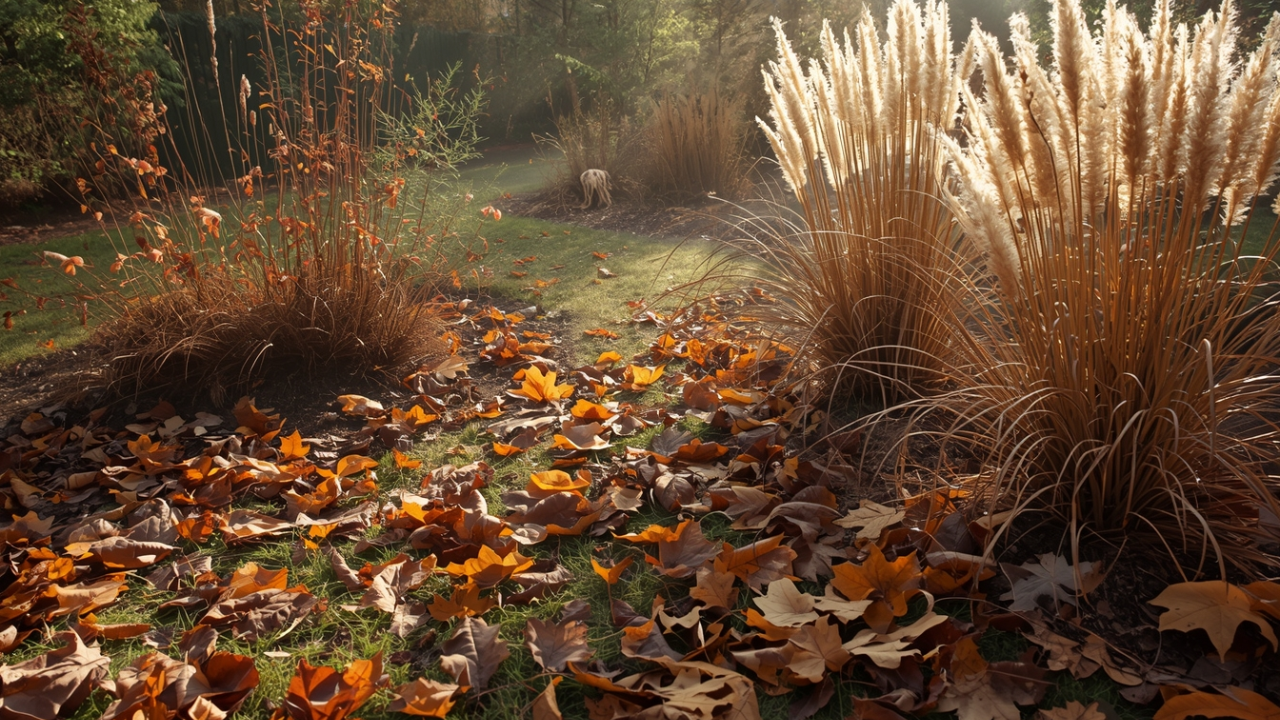
On a cool autumn morning, when many gardeners rush to trim, rake, and clean every corner of their outdoor spaces, some choose to do the opposite—they step back. Instead of treating winter as a deadline for total garden cleanup, they allow their gardens to rest. Surprisingly, these quieter gardens often return in spring stronger, fuller, and more vibrant.
This growing gardening approach focuses on seasonal pauses, allowing nature to follow its natural cycles instead of forcing constant maintenance. Experts and experienced gardeners increasingly agree that stepping back during certain months can lead to healthier plants, stronger soil, and better biodiversity.
Why Seasonal Rest Helps Gardens Thrive
Gardens are living ecosystems, not decorative displays that require constant intervention. Plants, soil organisms, and wildlife follow seasonal rhythms that rely on rest periods to function properly.
When gardeners leave dried stems, fallen leaves, and natural debris in place during winter, several important biological processes occur.
Energy Storage in Plant Roots
During colder months, plants shift energy away from visible growth and store nutrients within their root systems. Cutting plants too early can disrupt this process, forcing them to expend energy prematurely and weakening their spring regrowth.
Natural Mulch Formation
Fallen leaves and plant debris create a protective layer over soil. This natural mulch:
- Shields roots from extreme cold
- Reduces soil erosion
- Retains moisture
- Slowly decomposes into organic fertilizer
Supporting Wildlife and Biodiversity
Dead stems and seed heads provide food and shelter for insects and birds. These organisms contribute to pollination and pest control, strengthening the overall health of the garden ecosystem.
The Difference Between Constant Maintenance and Natural Growth
Gardens that are aggressively cleaned every autumn often struggle in spring. Soil may lose nutrients, plant crowns become exposed to frost, and wildlife support disappears.
By contrast, gardens that maintain natural winter structure often demonstrate:
- Faster spring growth
- Healthier plant density
- Improved soil fertility
- Increased bird and insect activity
Instead of recovering from disturbance, these gardens continue growing naturally.
Understanding the Biology Behind “Doing Less”
Seasonal gardening pauses are not neglect—they are strategic care aligned with plant biology.
When soil is frequently disturbed by digging, cutting, or clearing, it prevents beneficial microorganisms from stabilizing. Healthy soil depends on fungi, worms, and bacteria that break down organic matter and recycle nutrients.
Constant intervention can interrupt these systems, leaving plants dependent on artificial fertilizers and increased maintenance.
Allowing organic material to decompose naturally builds soil structure and long-term plant resilience.
How to Practice Seasonal Garden Pauses Effectively
Seasonal rest does not mean abandoning your garden entirely. It involves adjusting priorities and focusing on essential care instead of cosmetic maintenance.
Leave Seed Heads and Stems Standing
Seed heads feed birds during winter and protect plant crowns from frost. Many ornamental grasses and perennials benefit from being trimmed only in late winter or early spring.
Use Leaves as Mulch Instead of Removing Them
Rake leaves under trees and shrubs rather than disposing of them. This creates insulation and gradually enriches soil.
Focus on Safety and Accessibility
Clear walkways, steps, and slippery surfaces while leaving planting beds mostly untouched.
Create a Low-Maintenance Observation Zone
Designate one garden area where minimal maintenance occurs. Observing natural regrowth patterns helps gardeners understand how plants behave without intervention.
Common Gardening Mistakes During Autumn Cleanup
Many gardeners unknowingly weaken their plants by over-maintaining during seasonal transitions.
Over-Pruning Shrubs
Some shrubs form protective winter structures. Pruning too early can expose sensitive growth to frost damage.
Removing Dormant Plants Mistaken as Dead
Many perennials retreat underground during winter but return stronger in spring.
Cutting Ornamental Grasses Too Early
Grass stems often protect root crowns from freezing temperatures.
Clearing All Organic Debris
Removing leaves eliminates natural nutrient cycles and wildlife shelter.
Working With Climate Conditions
Seasonal gardening strategies should adapt to local weather patterns.
- In wet climates, excessive mulch around plant crowns should be thinned to prevent rot.
- In colder climates, thicker organic layers provide essential frost protection.
- In warmer regions, partial seasonal pauses still support soil regeneration and biodiversity.
Understanding local conditions allows gardeners to balance protection with airflow and moisture control.
The Emotional Shift: From Control to Observation
Seasonal gardening pauses also change the gardener’s relationship with nature. Instead of measuring success through constant activity, gardeners begin observing natural growth patterns.
Winter gardens reveal structural design, sunlight patterns, and plant behavior without seasonal foliage distractions. These observations help gardeners make better planting decisions for future seasons.
Many experienced gardeners report that allowing winter “messiness” leads to deeper understanding and appreciation of natural cycles.
Long-Term Benefits of Seasonal Garden Rest
Gardeners who practice seasonal pauses often experience:
- Reduced maintenance workload
- Lower gardening costs due to improved soil health
- Increased biodiversity and wildlife activity
- Stronger, more resilient plant growth
- More sustainable gardening practices
Over time, gardens develop natural balance, requiring fewer artificial interventions.
Practical Tips for Beginners
If transitioning to seasonal garden pauses feels uncomfortable, start gradually:
- Leave one flower bed untouched during winter
- Reduce pruning rather than eliminating it completely
- Observe how plants respond before expanding the approach
- Keep garden edges and pathways tidy to maintain visual structure
Combining neat boundaries with natural interior spaces often creates a balanced and visually appealing garden design.
Why Seasonal Rest Reflects Natural Growth Cycles
Nature operates through cycles of activity and dormancy. Forests, meadows, and wild landscapes rarely experience full seasonal clearing. Instead, they rely on organic matter recycling and biodiversity to sustain growth.
Gardens designed around these natural patterns often demonstrate greater ecological stability and visual richness.
Allowing temporary imperfection during colder months frequently results in greater abundance during warmer seasons.
Key Takeaways
| Key Concept | Explanation | Benefit |
|---|---|---|
| Seasonal pauses strengthen plant roots | Plants store energy during dormancy | Healthier and faster spring growth |
| Organic garden debris supports ecosystems | Leaves and stems protect soil and wildlife | Improved biodiversity and natural fertilization |
| Reduced maintenance improves sustainability | Less disturbance allows soil life to stabilize | Lower gardening effort and costs |
Frequently Asked Questions
Should dead plants be left standing during winter?
Yes, many perennials and grasses benefit from winter protection. Cutting them back in early spring is usually ideal.
Do fallen leaves cause plant disease?
A thin layer of leaves often protects soil and improves fertility. Thick, wet piles should be redistributed to prevent rot.
Can seasonal pauses work in small gardens or balconies?
Yes. Even leaving natural plant material in pots or small planters can improve soil health and plant strength.
Will my garden look untidy?
Maintaining neat pathways and borders while allowing natural growth in planting areas often creates an intentional, natural garden design.
Do gardens still need fertilizer with this method?
Often less fertilizer is required because decomposing organic matter naturally enriches soil nutrients.
Conclusion
Allowing gardens to rest during seasonal transitions may appear counterintuitive, but biological research and practical gardening experience increasingly support this approach. Seasonal pauses help plants conserve energy, strengthen root systems, and improve soil health while supporting wildlife and biodiversity.
Rather than constant maintenance, sustainable gardening focuses on working with natural rhythms. By reducing unnecessary intervention and embracing seasonal dormancy, gardeners can create outdoor spaces that are healthier, more resilient, and easier to maintain over time.