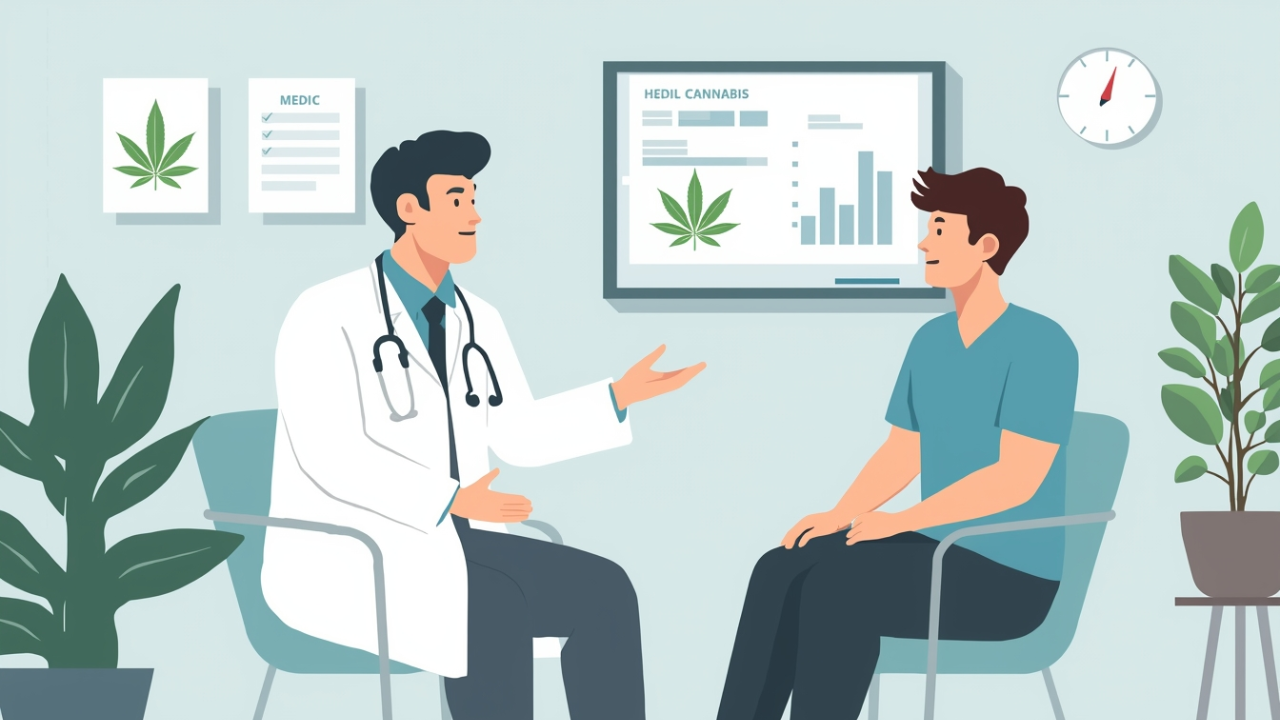
A growing number of doctors worldwide are leaving traditional hospital settings to explore alternative treatment approaches, including medical cannabis therapy. These decisions are sparking intense debates inside the medical community, raising questions about patient care, scientific evidence, and the future of modern medicine.
While some healthcare professionals see medical cannabis as a promising therapeutic tool, others warn that research is still evolving and clinical guidelines remain limited.
Understanding this complex topic requires looking beyond headlines and examining both the science and ethical challenges involved.
Why Some Doctors Are Turning Toward Medical Cannabis
Modern medicine has made enormous progress in treating mental health disorders and chronic pain. However, many patients still struggle with treatment-resistant conditions.
Doctors exploring medical cannabis often encounter patients with:
- Chronic neuropathic pain
- Post-traumatic stress disorder (PTSD)
- Severe insomnia linked to anxiety
- Multiple sclerosis muscle spasticity
- Epilepsy (especially treatment-resistant types)
- Cancer-related symptoms like nausea or pain
In some cases, traditional medications fail to provide relief or cause intolerable side effects. This gap has pushed researchers and clinicians to investigate cannabinoid-based therapies.
Understanding Medical Cannabis: THC vs CBD
Medical cannabis contains several active compounds called cannabinoids. The two most studied are:
THC (Tetrahydrocannabinol)
- Produces psychoactive effects
- May help reduce chronic pain and nausea
- Can trigger anxiety or psychosis in vulnerable individuals
CBD (Cannabidiol)
- Non-intoxicating
- Associated with anxiety reduction and seizure control
- Often used for patients with mental health sensitivity
Doctors who prescribe medical cannabis usually adjust the THC-CBD ratio carefully based on patient symptoms and medical history.
What Research Currently Says About Medical Cannabis
Scientific evidence supporting cannabis use in medicine is growing but remains uneven across conditions.
Stronger Evidence Areas
Research shows potential benefits for:
- Chronic neuropathic pain
- Multiple sclerosis muscle spasms
- Certain epilepsy syndromes
- Chemotherapy-induced nausea
Emerging Evidence Areas
Some clinical studies suggest cannabis may help with:
- PTSD symptom reduction
- Anxiety-related sleep disorders
- Appetite stimulation in chronic illness
Areas Still Under Debate
Evidence remains limited or inconsistent for:
- Depression treatment
- General anxiety disorders
- Long-term mental health therapy
Most medical bodies recommend cautious use until further long-term data becomes available.
Why the Medical Community Is Divided
The debate around medical cannabis extends beyond science. It touches regulatory, ethical, and professional concerns.
Arguments Supporting Medical Cannabis Clinics
Supporters believe cannabis therapy:
- Offers relief when conventional treatments fail
- Provides individualized treatment options
- Encourages patient-centered care
- Reduces reliance on opioids in some chronic pain cases
Concerns Raised by Critics
Opponents highlight risks such as:
- Limited long-term clinical data
- Potential addiction or misuse
- Risk of psychiatric complications
- Lack of standardized prescribing protocols
Both sides agree that cannabis therapy requires strict medical supervision.
How Legitimate Medical Cannabis Treatment Works
Responsible cannabis-based treatment typically follows structured clinical protocols.
Comprehensive Patient Assessment
Doctors evaluate:
- Full psychiatric and medical history
- Risk of psychosis or addiction
- Current medications and interactions
- Cardiovascular and neurological health
Personalized Treatment Planning
Clinicians often:
- Start with low cannabinoid doses
- Monitor patient response carefully
- Adjust formulations gradually
- Track symptom changes through journals or follow-ups
Continuous Medical Monitoring
Regular consultations help ensure safety, effectiveness, and dosage accuracy.
Risks and Side Effects of Medical Cannabis
Although cannabis is sometimes marketed as natural and safe, it carries genuine health risks.
Potential Physical Effects
- Dizziness
- Fatigue
- Increased heart rate
- Coordination problems
Potential Mental Health Effects
- Anxiety or panic reactions
- Memory and concentration issues
- Psychosis risk in genetically vulnerable individuals
Doctors must screen patients carefully before prescribing cannabis-based treatments.
Legal and Regulatory Challenges
Medical cannabis laws vary significantly worldwide. Some countries allow prescription under strict medical supervision, while others maintain tight restrictions or bans.
Doctors who open cannabis clinics must navigate:
- Licensing requirements
- Prescription regulations
- Medical board scrutiny
- Public stigma
Regulatory uncertainty often contributes to professional controversy.
Why Patients Are Seeking Alternative Therapies
Many patients turn to medical cannabis after feeling underserved by conventional treatments. Common motivations include:
- Long-term medication side effects
- Limited symptom improvement
- Desire for holistic or personalized care
- Dissatisfaction with short consultation times
Alternative clinics often emphasize longer consultations and integrated treatment planning.
The Broader Healthcare Debate
The rise of cannabis clinics reflects a deeper question within healthcare: should medicine prioritize standardized protocols or individualized care models?
Traditional hospital systems rely on structured treatment guidelines that ensure safety and consistency. However, critics argue these systems sometimes lack flexibility for complex, treatment-resistant cases.
Cannabis-focused clinics represent an experimental bridge between evidence-based medicine and personalized therapeutic approaches.
Important Considerations for Patients
Anyone considering medical cannabis therapy should take cautious, informed steps.
Safe Starting Points
- Consult a licensed medical professional
- Avoid self-medicating with unregulated cannabis products
- Review current medications and health conditions
- Choose clinics with transparent treatment protocols
Medical cannabis should never replace professional diagnosis or treatment supervision.
The Future of Medical Cannabis in Healthcare
Medical cannabis research continues to expand rapidly. Future developments may include:
- More standardized dosing guidelines
- Pharmaceutical-grade cannabinoid medications
- Expanded clinical trial data
- Greater integration into mainstream medical practice
Whether cannabis becomes widely accepted or remains specialized therapy will depend on scientific progress and regulatory adaptation.
Conclusion
Doctors transitioning from traditional hospital roles to cannabis-focused clinics highlight a changing landscape in modern medicine. While medical cannabis shows promise for certain treatment-resistant conditions, it remains a complex therapy requiring careful medical supervision and continued research.
The ongoing debate reflects broader tensions between innovation and caution in healthcare. As scientific evidence grows, medical cannabis may play a larger role in patient care, but balanced evaluation remains essential.
Ultimately, the goal of any treatment approach—traditional or alternative—should remain the same: improving patient health safely and effectively.