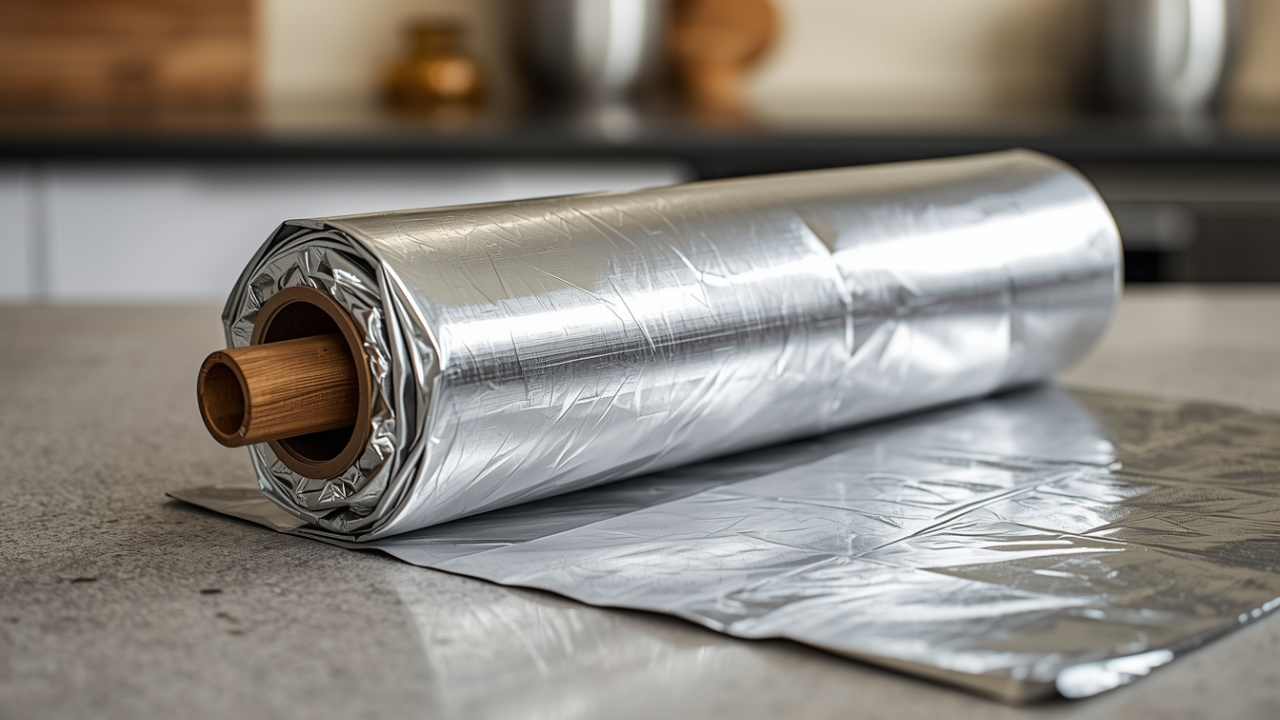
Aluminium foil is one of the most commonly used kitchen tools worldwide. Whether baking, grilling, freezing, or storing leftovers, most households rely on foil daily. Yet, a long-standing kitchen debate continues: Does the shiny or dull side of aluminium foil really matter?
Many people firmly believe the shiny side should face food to reflect heat, while others insist the dull side is better for cooking. Surprisingly, both sides have differences, but not for the reasons most people think.
Understanding how aluminium foil works can help improve cooking results, prevent food sticking, and avoid common kitchen mistakes.
Why Aluminium Foil Has Two Different Sides
The difference between shiny and dull foil is not intentionally designed for cooking performance. It happens during the manufacturing process.
How Aluminium Foil Is Made
Aluminium foil is created by rolling aluminium sheets extremely thin. During the final stage, two layers of foil are rolled together simultaneously. The outer sides touch polished rollers, creating the shiny surface. The inner sides rub against each other, producing the dull finish.
This means the visual difference is simply a result of production techniques rather than separate cooking functions.
Does the Shiny or Dull Side Affect Cooking?
For Regular Aluminium Foil: The Answer Is Mostly No
In standard cooking situations such as baking, roasting, or covering dishes in an oven, the side of the foil facing food makes almost no difference.
This is because:
- Heat inside ovens spreads mainly through hot air circulation
- The temperature difference between reflective surfaces is minimal
- Cooking time and results stay nearly identical regardless of foil orientation
For everyday baking and roasting, choosing shiny or dull sides is largely a personal preference.
When Aluminium Foil Sides Actually Matter
While standard foil performs similarly on both sides, certain specialised foils and cooking situations require attention.
1. Non-Stick Aluminium Foil
Non-stick foil is treated on one side with a special coating that prevents food from sticking.
Correct Usage:
- Always place the coated side directly touching the food
- The packaging usually indicates the correct side with labels or arrows
Using the wrong side can cause food like chicken skin, cookies, or cheese to stick badly, ruining presentation and texture.
2. Grilling and Radiant Heat Cooking
When using foil on grills or barbecues, the difference between reflective and matte surfaces can slightly influence cooking.
- Shiny surfaces reflect more radiant heat
- Dull surfaces absorb slightly more heat
Although the difference is small, it can affect browning and charring during longer grilling sessions.
3. Insulated or Thermal Foil Products
Some specialised foil products include insulation layers or reflective linings. These are designed to control heat transfer in food storage, takeaway packaging, or freezing applications.
In these cases, reflective surfaces help maintain food temperature longer.
The Bigger Factor: Moisture Control
Food texture depends more on moisture management than foil surface direction.
Tight Foil Wrapping
- Traps steam and moisture
- Creates softer textures
- Ideal for baking fish, vegetables, or slow cooking
Loose Foil Covering
- Allows steam to escape
- Encourages browning and crispness
- Suitable for roasting meats or casseroles
Learning how tightly to wrap food often matters more than which side of foil faces outward.
Common Aluminium Foil Mistakes in Cooking
Using Foil as a Permanent Lid
Sealing food tightly with foil can trap too much moisture, causing roasted foods to become soggy instead of crispy.
Ignoring Specialised Foil Labels
Non-stick or grill foils include instructions that many users overlook. Reading packaging details prevents cooking failures.
Direct Contact with Acidic Foods
Aluminium foil can react with highly acidic foods like tomato sauce, lemon, or vinegar during long cooking or storage. This reaction may cause a slight metallic taste.
Solution:
Use parchment paper between foil and acidic foods.
Is Aluminium Foil Safe for Cooking?
For general cooking, aluminium foil is considered safe when used correctly. However, certain precautions help minimise unnecessary aluminium exposure.
Safety Tips:
- Avoid wrapping very acidic foods directly in foil for extended periods
- Do not use foil in microwave ovens
- Alternate with parchment paper or baking sheets for regular cooking
- Avoid extremely high heat with tightly sealed foil packets
Best Uses of Aluminium Foil in the Kitchen
Baking and Roasting
Foil helps cover dishes, reduce burning, and control cooking moisture.
Grilling and Barbecue Cooking
Foil packets allow controlled steaming and flavour retention for vegetables, seafood, and meats.
Food Storage and Freezing
Foil protects food from freezer burn when wrapped tightly.
Protecting Oven Surfaces
Foil can catch drips and spills during messy cooking, though it should not block airflow inside ovens.
Expert Tips for Using Aluminium Foil Correctly
Read Packaging Instructions
Specialised foils include guidance on correct usage and orientation.
Use Foil Strategically
Choose wrapping style based on desired food texture rather than surface appearance.
Combine Foil With Other Materials
Parchment paper can prevent sticking and reduce chemical reactions with food.
Avoid Overuse
Using foil only when necessary improves cooking efficiency and reduces environmental waste.
Environmental Considerations
Aluminium foil is recyclable in many areas, but it must be clean and free of food residue. Recycling foil reduces environmental impact and conserves natural resources.
Some eco-conscious alternatives include reusable silicone baking mats and parchment paper.
Why Kitchen Myths About Foil Continue
Many cooking habits are passed down through family traditions rather than scientific knowledge. People often follow practices learned from parents or grandparents without questioning their origin.
The shiny vs dull foil debate persists because it appears logical, even though the scientific explanation shows the difference is mostly visual for regular foil.
Final Verdict: Does Foil Side Really Matter?
For everyday cooking, the shiny or dull side of standard aluminium foil does not significantly affect food preparation. The difference originates from manufacturing, not cooking performance.
However, specialised foils, moisture control, and cooking technique play much larger roles in food quality. Paying attention to wrapping methods and packaging instructions can improve cooking results far more than choosing a particular foil side.
Conclusion
Aluminium foil remains one of the most versatile kitchen tools, but understanding its correct use helps achieve better cooking outcomes. The long-running shiny versus dull side debate highlights how small kitchen myths can influence daily habits.
Instead of focusing only on foil appearance, home cooks benefit more from learning how foil affects moisture, heat control, and food texture. By using foil intentionally rather than habitually, cooking becomes more efficient and predictable.
Ultimately, successful cooking depends less on which foil side you choose and more on how you use it.