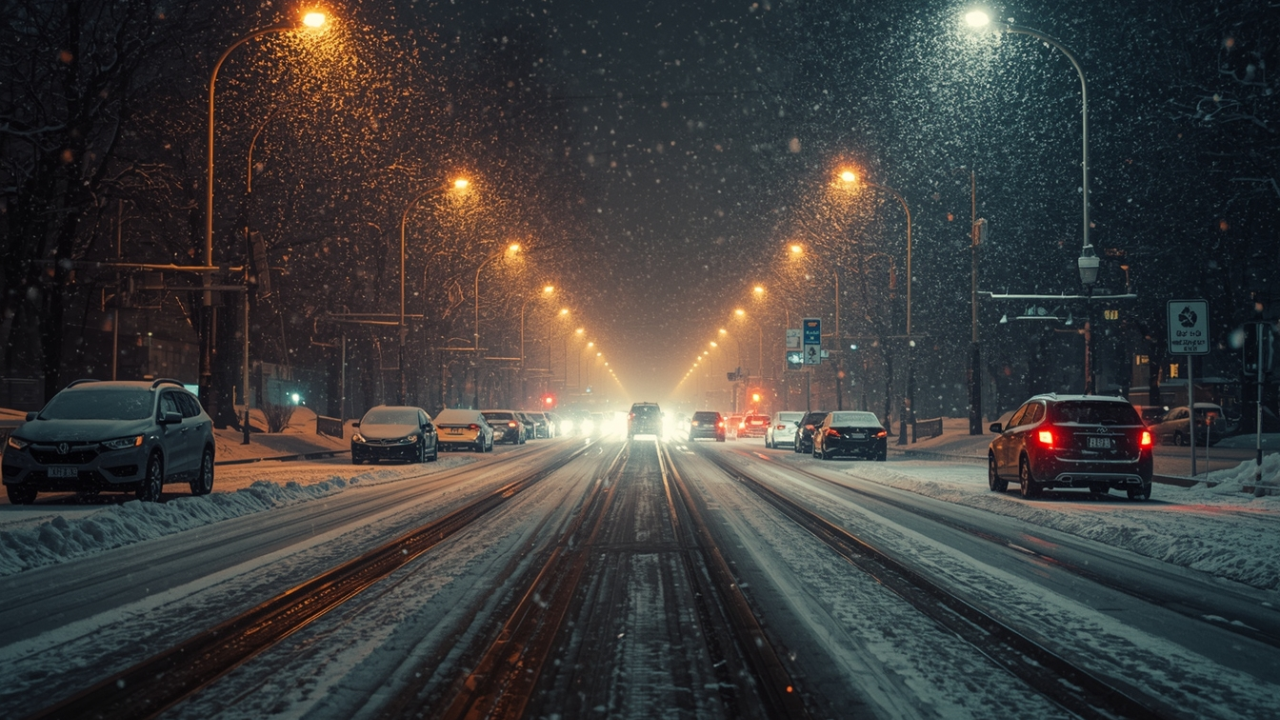
Weather authorities have officially confirmed that heavy snowfall will begin late tonight, raising concerns about severe travel disruptions, dangerous road conditions, and possible service delays.
Throughout the afternoon, skies in many regions have already turned dense grey, signaling the approaching storm. Residents rushed to finish errands, monitor weather alerts, and prepare for potential overnight snowfall.
Meteorologists warn that this storm is expected to intensify rapidly, bringing sustained snowfall, freezing temperatures, and strong winds that may continue for several days.
Snowfall Timeline: When the Storm Will Intensify
Forecast models indicate that snowfall will develop gradually before becoming heavier overnight.
Expected Weather Progression:
- Late Evening (10 PM – Midnight): Light snowfall begins
- After Midnight: Heavy snowfall develops quickly
- Early Morning: Peak snowfall rates expected
- Morning Commute: Roads and public transport likely heavily affected
Experts estimate snow accumulation could reach 10–20 centimeters, with higher elevation areas potentially receiving greater snowfall.
Some weather models predict snowfall rates of 2–3 centimeters per hour, which can significantly disrupt daily transportation.
Why This Snowstorm Could Be Severe
The current snowstorm is forming due to the collision of two major air systems:
Weather Factors Driving the Storm:
- Cold Arctic air moving south
- Moist Atlantic air moving inland
- Low-pressure systems intensifying wind speed
When warm moisture rises above cold air, snow forms rapidly and falls without melting, creating thick and persistent snow accumulation.
Strong winds may also cause drifting snow, quickly covering roads even after clearing efforts.
Expected Travel and Infrastructure Disruptions
Weather agencies have issued yellow and amber alerts across multiple areas, warning of significant disruptions.
Potential Impacts Include:
- Dangerous driving conditions
- Road closures and blocked highways
- Train and public transport delays
- Slippery pavements increasing fall risks
- Possible power interruptions in exposed areas
- Delivery and emergency service delays
Transport engineers have already begun preventive inspections, but experts warn that delays remain highly likely during peak snowfall hours.
How to Prepare Before Heavy Snow Begins
Experts recommend simple preparation steps to reduce safety risks during snowstorms.
Evening Preparation Checklist:
- Fully charge phones, torches, and power banks
- Store emergency blankets and essential supplies
- Lift vehicle windshield wipers to prevent freezing
- Park vehicles away from main roads
- Bring outdoor items such as bins closer to home
- Stock essential groceries and medications
Taking early precautions can significantly reduce morning stress and travel hazards.
Morning Safety Tips During Snowfall
If heavy snowfall accumulates overnight, authorities recommend delaying non-essential travel.
Morning Safety Checklist:
- Check weather and transport updates before leaving home
- Confirm school or workplace closure announcements
- Clear snow carefully to avoid injuries
- Wear slip-resistant winter footwear
- Avoid driving on untreated or steep roads
Ignoring official weather warnings often leads to accidents and travel emergencies.
How Snowstorms Affect Communities
Snowstorms impact communities in different ways. While some families enjoy scenic winter views, others face serious challenges, including work disruptions and healthcare access difficulties.
Essential workers such as healthcare staff, emergency responders, and delivery personnel often continue operating under hazardous conditions. At the same time, communities frequently come together by helping vulnerable neighbors and sharing resources.
What Weather Alerts Mean for Public Safety
Weather warnings highlight more than road risks. They reflect broader safety concerns affecting transportation, infrastructure, and essential services.
Experts emphasize that early planning and flexible schedules significantly reduce snowstorm risks.
The biggest mistake during severe weather events is underestimating forecasts and delaying preparation.
Key Snowstorm Details
| Key Point | Details | Reader Benefit |
|---|---|---|
| Snowfall Start | Heavy snow expected after midnight | Helps adjust travel and work plans |
| Snow Accumulation | 10–20 cm possible in many areas | Indicates disruption severity |
| Main Risks | Road closures, transport delays, power outages | Supports safety preparation |
| Preparation Tips | Charge devices, store essentials, adjust schedules | Reduces emergency risks |
Frequently Asked Questions
1. When will heavy snowfall begin?
Light snowfall is expected late evening, with the heaviest snow developing after midnight and continuing into early morning.
2. Should I cancel travel plans?
If travel is not essential and weather alerts are active, postponing or choosing remote alternatives is recommended.
3. Will schools remain open?
Many schools decide closures early morning after safety inspections. Parents should monitor official announcements.
4. Are winter tyres enough for safe driving?
Winter tyres improve grip but cannot eliminate hazards such as low visibility or blocked roads. Travel advisories should still be followed.
5. How can I help neighbors during severe snow?
Checking on vulnerable individuals, offering grocery assistance, and sharing emergency contact information can provide valuable support.
Conclusion
The confirmed heavy snowfall forecast signals a significant winter weather event that could disrupt daily routines, transportation, and essential services. While snowstorms create beautiful landscapes, they also present serious safety risks.
Preparing early, staying informed through official alerts, and prioritizing safety over convenience remain the best strategies for handling severe winter weather conditions.