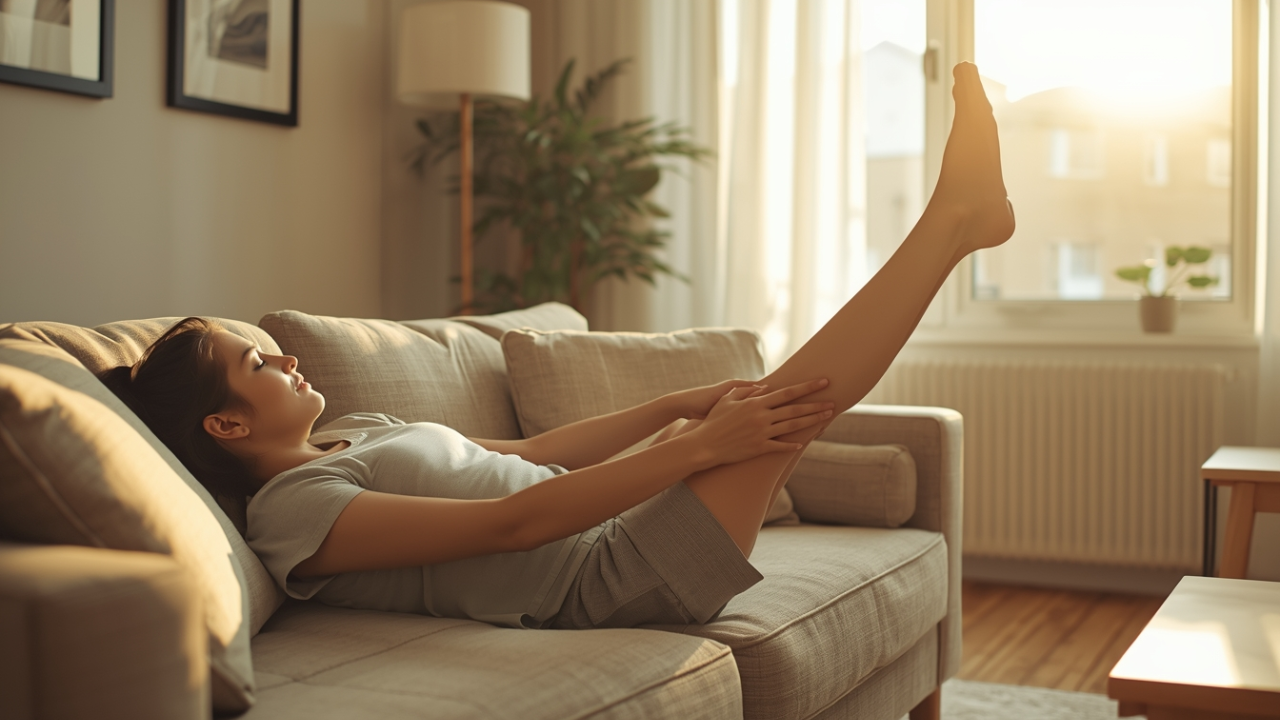
Many people believe that resting means lying down, avoiding activity, and spending hours on the couch. While this sounds relaxing, it often leaves people feeling stiff, mentally drained, and surprisingly exhausted by the end of the day.
This happens because the human body does not interpret rest simply as inactivity. Instead, it associates rest with relaxation, safety, and balance in both physical and mental systems.
When you remain inactive but mentally overstimulated — scrolling on your phone, worrying, or sitting in poor posture — your body may actually remain in a low-level stress state.
Why Passive Rest Can Still Stress the Body
Passive rest refers to activities like lying on the couch, binge-watching shows, or scrolling social media for extended periods. While these activities reduce physical effort, they often do not provide true recovery.
How Passive Rest Affects Your Body:
1. Poor Circulation
Staying in one position for long periods slows blood flow, causing muscle stiffness and fatigue.
2. Muscle Tension
Slouched posture tightens muscles in the neck, back, and shoulders, leading to discomfort.
3. Shallow Breathing
When resting in collapsed positions, breathing becomes shallow, reducing oxygen flow and relaxation signals.
4. Mental Overstimulation
Screens expose the brain to constant stimulation, preventing the nervous system from fully relaxing.
Understanding How Your Body Defines True Rest
True rest occurs when the nervous system shifts from stress mode (fight or flight) to recovery mode (rest and repair). This requires:
- Calm breathing patterns
- Relaxed muscles
- Reduced mental stimulation
- Comfortable body positioning
Without these signals, the body may remain alert even when you appear physically inactive.
The Science of Active Rest
Active rest involves gentle, low-effort movement that helps the body relax rather than strain. It is not intense exercise but small physical adjustments that improve circulation and calm the nervous system.
Examples of Active Rest:
- Light stretching
- Slow breathing exercises
- Short casual walks
- Changing sitting or lying positions
- Gentle yoga or mobility movements
These simple actions help release muscle tension and improve blood flow, allowing the body to recharge more effectively.
Signs Your Body Needs Active Rest Instead of Passive Rest
You may benefit from active rest if you experience:
- Stiffness after long periods of sitting or lying down
- Feeling mentally tired despite minimal physical activity
- Neck or back discomfort during lazy days
- Trouble relaxing even when resting
- Increased fatigue after excessive screen time
These signals often indicate that your body requires gentle movement rather than complete inactivity.
Simple Active Rest Techniques You Can Try
1. The 3-Minute Breathing Reset
- Lie comfortably on your back
- Bend your knees and place feet flat on the floor
- Inhale through your nose for 4 seconds
- Exhale slowly for 6 seconds
- Repeat 10 times
This breathing method activates relaxation responses in the nervous system.
2. Hourly Movement Break
Stand up every 45–60 minutes and:
- Walk around your room
- Stretch your arms and shoulders
- Roll your neck gently
Even brief movement significantly reduces muscle stiffness.
3. Position Rotation Method
Switch resting positions throughout the day:
- Sofa
- Floor stretching
- Chair sitting
- Short standing breaks
Changing posture prevents circulation slowdown.
4. Create Screen-Free Rest Moments
Replace 10 minutes of phone scrolling with:
- Reading a book
- Drinking tea mindfully
- Sitting quietly outdoors
Reducing digital stimulation supports mental relaxation.
Why Small Movements Are More Effective Than Long Rest Periods
Many people assume longer rest equals better recovery. However, research suggests that frequent short relaxation techniques are often more effective than occasional long rest sessions.
Tiny, repeated movement breaks help maintain healthy muscle function and nervous system balance throughout the day.
Rethinking What Rest Should Look Like
True rest is not about becoming completely inactive. Instead, it often resembles a balance between gentle movement and relaxation.
Healthy rest routines may include:
- Taking slow evening walks
- Stretching while watching television
- Practicing breathing exercises before sleep
- Enjoying short naps with proper posture
- Spending time outdoors in calm environments
These habits support both physical and mental recovery.
Key Rest and Recovery Insights
| Key Point | Details | Reader Benefit |
|---|---|---|
| Passive Rest Can Be Stressful | Long inactivity and screen use increase fatigue | Explains why lazy days sometimes feel exhausting |
| Active Rest Supports Recovery | Gentle movement improves circulation and relaxation | Provides practical recovery techniques |
| Breathing Controls Relaxation | Slow breathing activates nervous system recovery | Helps reduce stress quickly |
| Movement Prevents Stiffness | Short breaks improve muscle flexibility | Supports physical comfort |
| Small Habits Work Best | Frequent short resets improve overall energy | Encourages sustainable routines |
Frequently Asked Questions (FAQs)
1. Why do I feel tired after resting all day?
Long periods of inactivity combined with screen exposure and poor posture can keep your body in a low-level stress state.
2. Does resting always require movement?
Not always, but gentle movement often helps the body relax more effectively and prevents stiffness.
3. How long should active rest last?
Even 3–5 minutes of stretching or breathing exercises can improve relaxation and energy levels.
4. Is phone use harmful during rest?
Phone use is not harmful but can overstimulate the brain. Balancing screen time with relaxation activities improves recovery.
5. What is the easiest way to improve rest habits?
Start with small changes like standing up hourly, stretching briefly, or practicing slow breathing.
Conclusion
While doing nothing may seem like the easiest way to rest, true recovery requires more than physical stillness. The body responds best to gentle movement, relaxed breathing, and reduced mental stimulation.
Incorporating small active rest habits into daily routines can improve energy, reduce muscle tension, and support long-term physical and mental well-being. By understanding how your body interprets rest, you can transform lazy moments into genuine recovery opportunities.