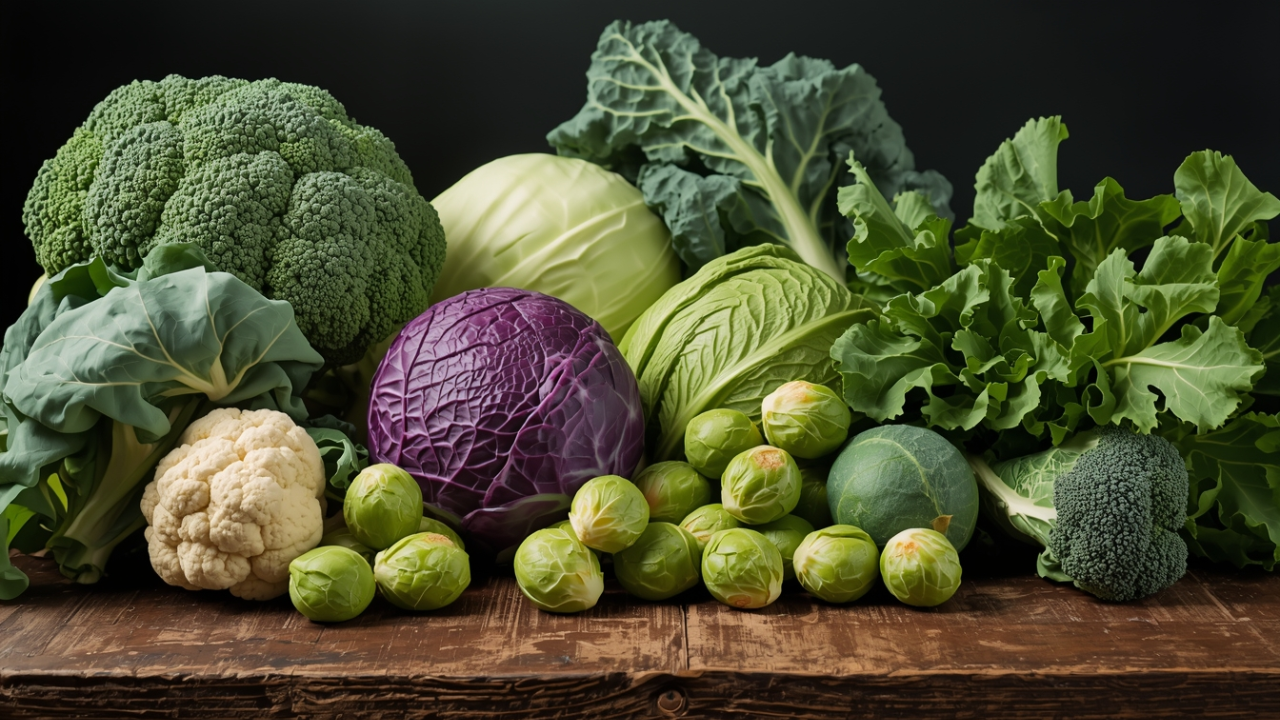
Most people grow up thinking cauliflower, broccoli, and cabbage are completely different vegetables. One looks fluffy and white, another appears as green tree-like florets, while the third is round, dense, and layered with leaves.
However, botanists reveal a surprising truth: these vegetables all belong to the same species — Brassica oleracea.
This means what we often treat as separate foods are actually different forms of the same plant, shaped through centuries of human farming and selective breeding.
Once you understand this connection, your perspective on vegetables, nutrition, and cooking can completely change.
How One Plant Became So Many Vegetables
The story of these vegetables begins with a wild coastal plant that originally grew along rocky cliffs in Europe. Over generations, farmers selectively cultivated this plant by encouraging certain physical traits.
Instead of creating new species, humans modified different parts of the same plant — resulting in the vegetables we recognize today.
Different Forms of the Same Plant Species:
| Vegetable | Plant Part Humans Enhanced |
|---|---|
| Cabbage | Leaf growth forming a compact head |
| Broccoli | Flower buds harvested before blooming |
| Cauliflower | Dense cluster of undeveloped flower buds |
| Kale | Loose, expanded leaves |
| Brussels Sprouts | Small leaf buds growing along the stem |
| Kohlrabi | Thick, swollen stem |
This process is called morphological variation, meaning one species develops multiple physical forms depending on which plant parts are emphasized.
Understanding the Botanical Science Behind Brassica Vegetables
Scientists classify cauliflower, broccoli, and cabbage as cultivated varieties of Brassica oleracea. Each variety evolved through selective breeding over hundreds of years.
Farmers saved seeds from plants that showed desirable features such as larger buds, thicker stems, or fuller leaves. Over time, these traits became permanent characteristics.
This explains why these vegetables share:
- Similar nutritional profiles
- Related growth patterns
- Comparable cooking textures
- Similar pest and climate preferences
Despite their appearance differences, they remain genetically connected.
How This Knowledge Changes Your Cooking Habits
Understanding that these vegetables come from the same plant makes cooking far more flexible and creative.
Easy Kitchen Substitutions:
- Replace broccoli with cauliflower in roasted dishes
- Use cabbage in stir-fries when broccoli is unavailable
- Add broccoli stems to soups or salads
- Roast cauliflower leaves as a nutritious side dish
Because they share similar structure and flavor profiles, these vegetables can often be swapped without drastically changing a recipe.
Shared Nutritional Benefits of Brassica Vegetables
Brassica vegetables are widely known for their health benefits. Since they come from the same species, they offer many overlapping nutrients.
Common Health Benefits Include:
- High fiber content supporting digestion
- Rich vitamin C for immune health
- Strong vitamin K levels supporting bone strength
- Sulfur-based compounds linked to cancer prevention
- Antioxidants that reduce inflammation
Although nutrient levels vary slightly, consuming any of these vegetables contributes to a balanced and healthy diet.
Reducing Food Waste Using the “Same Plant” Concept
Many people unknowingly discard edible parts of Brassica vegetables simply because they are unfamiliar or less visually appealing.
Once you realize these vegetables are closely related, it becomes easier to use the entire plant.
Commonly Wasted but Edible Parts:
- Broccoli stems (great for stir-fries and soups)
- Cauliflower leaves (excellent when roasted or sautéed)
- Cabbage cores (adds crunch to salads and slaws)
Using these parts reduces kitchen waste, saves money, and increases nutritional intake.
Why Humans Played a Major Role in Creating These Vegetables
While nature provided the original plant, human cultivation shaped it into modern vegetables. Over centuries, farmers selected plants based on taste, texture, size, and storage ability.
This long agricultural evolution transformed a simple wild plant into multiple food staples used worldwide today.
The diversity of Brassica vegetables highlights how human food preferences influence agricultural development and biodiversity.
The Bigger Agricultural and Culinary Lesson
Recognizing the relationship between cauliflower, broccoli, and cabbage offers a valuable lesson in food awareness. Many fruits and vegetables also belong to single species with multiple varieties.
Understanding plant families helps people:
- Make smarter cooking substitutions
- Reduce food waste
- Improve nutrition variety
- Appreciate agricultural history
- Develop flexible meal planning habits
Key Brassica Vegetable Insights
| Key Point | Details | Reader Benefit |
|---|---|---|
| One Plant Species | Cauliflower, broccoli, and cabbage come from Brassica oleracea | Changes how you view vegetables |
| Shared Nutrition | High fiber, vitamins, and antioxidants | Supports healthy eating choices |
| Cooking Flexibility | Vegetables can often be swapped in recipes | Simplifies meal planning |
| Reduced Food Waste | Stems, leaves, and cores are edible | Saves money and increases nutrients |
| Agricultural History | Vegetables shaped through human cultivation | Builds food knowledge |
Frequently Asked Questions (FAQs)
1. Are broccoli, cauliflower, and cabbage really the same plant?
Yes, they are all cultivated varieties of the same species, Brassica oleracea, developed through selective breeding.
2. Do they provide similar health benefits?
Yes, they share many nutrients such as fiber, vitamin C, and protective plant compounds, though exact nutrient levels vary slightly.
3. Can these vegetables replace each other in recipes?
Often yes, especially in roasting, soups, and stir-fries. Texture and cooking time may vary slightly.
4. Are broccoli stems and cauliflower leaves safe to eat?
Yes, they are completely edible and highly nutritious when properly cleaned and cooked.
5. Are there other vegetables from the same plant family?
Yes, kale, Brussels sprouts, and kohlrabi are also varieties of the same species.
Conclusion
The discovery that cauliflower, broccoli, and cabbage originate from the same plant species reveals how agriculture, science, and human creativity shape the foods we eat daily. What appears as separate vegetables is actually the result of centuries of selective cultivation.
Understanding this botanical connection not only improves cooking flexibility but also encourages sustainable food practices and better nutritional awareness. The next time you open your refrigerator, you might notice that these vegetables are less like strangers and more like relatives sharing a common origin.