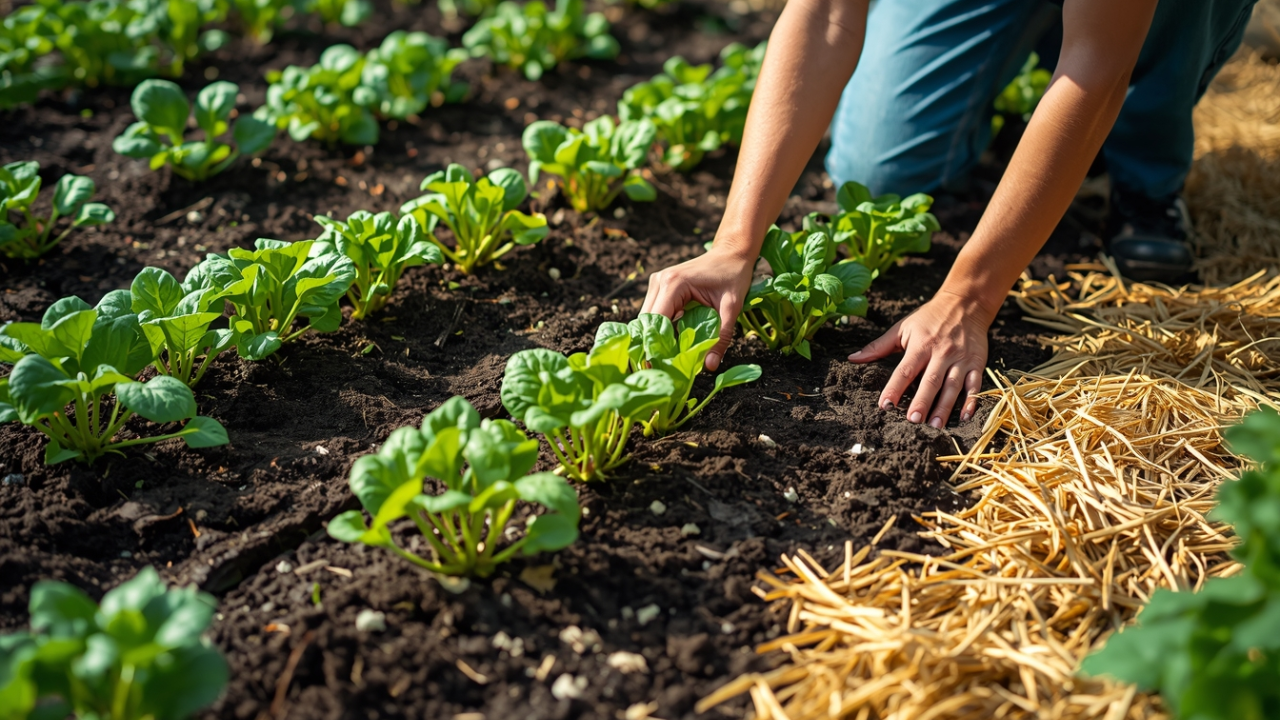
The moment many gardeners start questioning old habits
For decades, turning soil before planting was considered a sign of good gardening. Many gardeners learned early that loosening soil with a shovel or tiller prepared beds for healthy crops.
But recently, experienced gardeners have started noticing something unexpected. After years of digging and turning soil, garden beds sometimes begin showing signs of exhaustion. Soil appears lighter, drier, and less fertile. Worm populations decrease, roots become damaged, and crops may struggle to grow consistently.
What once felt like responsible garden preparation is now being questioned by both hobby gardeners and agricultural experts.
Why Traditional Soil Turning May Be Causing Harm
Turning soil creates a temporary loose and airy texture, which makes planting easier in the short term. However, repeated digging can disrupt the natural ecosystem living beneath the surface.
Healthy soil is made of complex biological networks. These include fungi, bacteria, worms, insects, and organic matter that work together to support plant growth. When soil is repeatedly turned:
- Underground fungal networks are broken
- Beneficial microorganisms are disturbed
- Worm habitats are destroyed
- Soil layers become disorganized
- Moisture retention decreases
- Weed seeds buried deeper may become active
Initially, turned soil may appear fluffy and fertile. But over time, soil structure weakens, leading to compacted, dry, and less productive beds.
Many gardeners are discovering that soil behaves more like a living system than simple dirt.
What Happens When Gardeners Stop Turning Soil
Gardeners experimenting with “no-dig” or low-disturbance gardening methods are reporting surprising results. Instead of turning soil, they add compost and organic matter directly on top of the ground and allow natural soil organisms to integrate nutrients gradually.
Over time, this approach often leads to:
- Darker, nutrient-rich soil
- Increased worm activity
- Improved moisture retention
- Stronger root development
- Healthier plant growth
- Reduced soil erosion
Natural soil organisms slowly mix organic material downward, creating long-term stability without heavy manual disturbance.
Many gardeners describe no-dig soil as softer, richer, and easier to work with after several seasons.
How to Start Gardening With Less Soil Disturbance
Transitioning to low-disturbance gardening does not require abandoning tools completely. It usually begins with small changes.
Add Compost On Top of Soil
Spread a 3–5 cm layer of compost over garden beds once or twice yearly. Instead of mixing it into the soil, allow natural organisms to incorporate it gradually.
Use Organic Mulch
Cover compost with straw, shredded leaves, grass clippings, or cardboard. Mulch protects soil from temperature extremes, reduces moisture loss, and prevents weed growth.
Plant Gently
Pull mulch aside, create a small planting hole, and place seedlings without digging deeply. Replace mulch around the plant while leaving space around stems.
Start With One Garden Bed
Experimenting with one section of the garden allows gardeners to observe results without major risk.
Addressing Common Concerns About No-Dig Gardening
Will Weeds Increase Without Digging?
Disturbed soil often triggers dormant weed seeds to grow. Mulch layers reduce weed growth by blocking sunlight and stabilizing soil.
Do Mulch Layers Attract Pests?
While mulch may attract certain insects, balanced soil ecosystems usually support natural pest control through predators and microbial diversity.
Can No-Dig Gardening Work In Clay Soil?
Yes. Organic layers gradually improve clay soil structure, allowing better drainage and root penetration over time.
How Long Does Soil Improvement Take?
Initial improvements may appear within one season, but significant soil transformation usually occurs after two to three years of consistent organic layering.
How Are Deep Root Weeds Managed?
Deep-rooted weeds can be removed manually or suppressed by thick mulch layers that prevent regrowth.
Why This Gardening Shift Is Becoming Popular
Gardeners are increasingly recognizing that soil health determines long-term plant productivity. The shift away from heavy soil disturbance focuses on supporting natural soil biology rather than controlling it.
This approach often reduces physical effort while improving plant resilience. Instead of treating gardening as a constant battle against soil limitations, many gardeners begin working in partnership with natural processes.
Key Lessons From The No-Dig Gardening Movement
| Key Point | Detail | Reader Benefit |
|---|---|---|
| Reduce Soil Disturbance | Frequent digging disrupts natural soil ecosystems | Helps maintain fertility and plant health |
| Feed Soil From The Surface | Compost and mulch gradually improve structure | Increases moisture retention and reduces labor |
| Start Small And Observe | Testing low-disturbance methods in one bed | Allows safe experimentation and gradual learning |
Conclusion
Traditional soil turning has long been viewed as essential for successful gardening. However, growing evidence suggests that repeated soil disturbance can reduce long-term soil health and plant productivity.
Low-disturbance gardening methods, including compost layering and mulching, support natural soil ecosystems and promote sustainable plant growth. While this approach requires patience, many gardeners find it leads to healthier soil, stronger crops, and reduced maintenance over time.