You step into the bathroom, ready for a refreshing shower. The tiles shine, the mirror is spotless, but then your eyes land on it — thin black streaks creeping along the silicone sealant around your tub or shower.
You scrub them every week. You spray strong cleaners. Sometimes they fade… only to come back stronger.
Here’s the surprising truth cleaning professionals are now sharing: removing mould from bathroom sealant often doesn’t require expensive products or harsh chemicals. In many cases, the most effective solution is already sitting quietly in your kitchen cupboard.
Why Bathroom Sealant Attracts Mould So Easily
Even spotless bathrooms provide ideal conditions for mould growth. Warm temperatures, trapped moisture, and soap residue create a perfect breeding ground for microscopic fungi.
Sealant joints around bathtubs, sinks, and showers are especially vulnerable because:
- Water collects inside small crevices
- Soap and shampoo residue provide nutrients
- Limited airflow slows drying
- Constant humidity encourages fungal growth
Beyond appearance, mould can also affect indoor air quality. Health experts often link mould exposure to respiratory irritation, particularly in individuals with allergies, asthma, or weakened immune systems.
Why Traditional Cleaners Often Fail
Many households rely on bleach-based sprays or strong disinfectants. While they can temporarily lighten stains, they frequently fail to eliminate mould at its root.
Here’s why mould often returns:
- Bleach mainly removes surface colour rather than deep mould growth
- Harsh chemicals can damage silicone, creating tiny cracks where mould thrives
- Poor ventilation allows moisture to rebuild quickly
Cleaning specialists increasingly recommend gentler, targeted cleaning methods that physically remove mould rather than masking it.
The Kitchen Ingredient That Removes Mould Naturally
Cleaning experts often suggest using bicarbonate of soda (baking soda) as an effective mould removal solution.
This common household product works because:
- It acts as a mild abrasive that lifts grime without scratching surfaces
- It contains natural antifungal properties
- It neutralizes damp odours
- It is safer for surfaces and environmentally friendly
- It is inexpensive and widely available
How to Make a Baking Soda Mould-Removal Paste
Creating this cleaning solution is simple and requires minimal effort.
You Will Need:
- 3 tablespoons baking soda
- Small amount of water
- Old toothbrush or scrubbing brush
- Sponge and clean cloth
Step-by-Step Method:
- Place baking soda in a small bowl
- Add water slowly while mixing
- Continue mixing until a thick toothpaste-like paste forms
If the mixture becomes too watery, add extra baking soda to thicken it.
How to Apply the Paste Properly
Follow these steps for the best results:
- Lightly dampen the mouldy sealant area
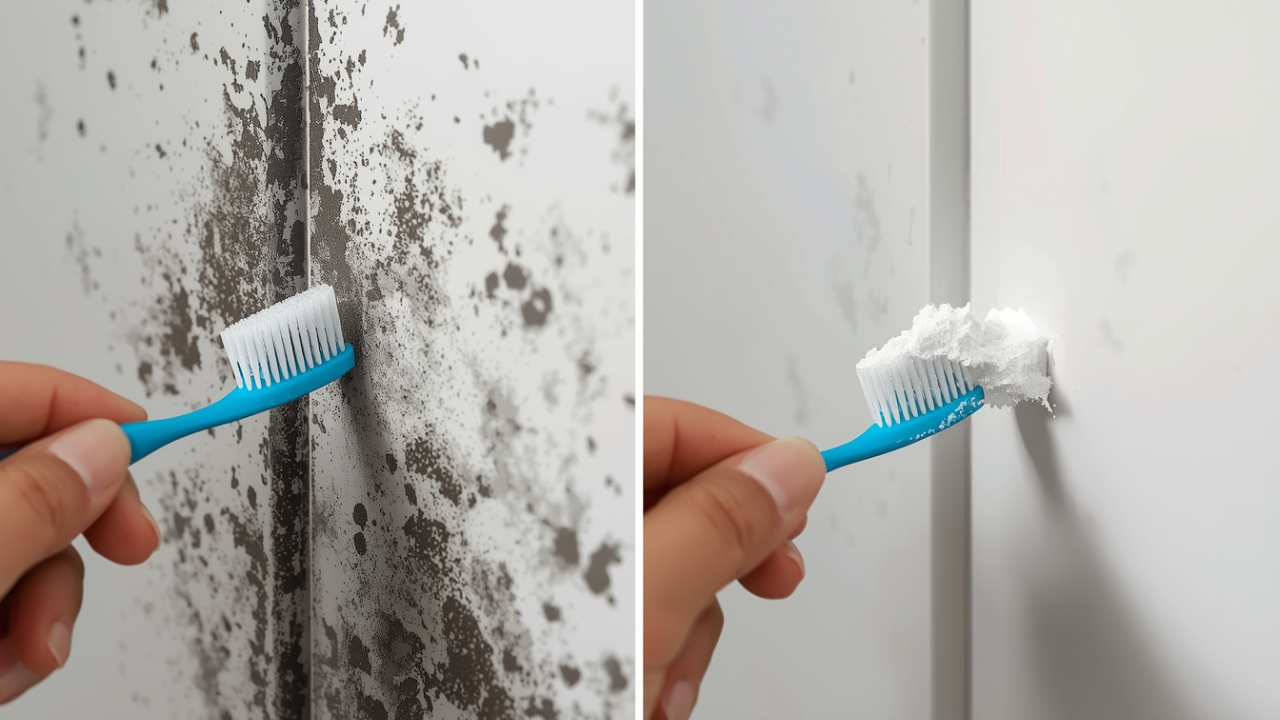
- Use the toothbrush to press paste directly onto the mould
- Cover the entire affected joint generously
- Leave the paste for 15–30 minutes
For stubborn mould, allowing the paste to sit up to one hour can improve effectiveness. If it dries, lightly spray water to reactivate it.
How to Scrub and Rinse for Maximum Results
After the waiting period:
- Scrub gently using firm short strokes
- Work in small sections
- Rinse thoroughly with clean water
- Dry the sealant completely using a cloth or towel
Drying is extremely important. Leaving moisture behind allows mould to return quickly.
Simple Prevention Habits That Stop Mould from Returning
Cleaning mould once is helpful, but prevention is the real long-term solution. Moisture control plays the biggest role in stopping mould growth.
Experts recommend:
- Running extractor fans for at least 15 minutes after showering
- Opening windows to improve airflow
- Using a squeegee or towel to remove water from tiles and joints
- Leaving shower doors or curtains slightly open
Some cleaning specialists also suggest wiping sealant weekly with diluted white vinegar to discourage fungal growth.
When Home Remedies May Not Be Enough
Sometimes mould problems indicate deeper structural issues. Consider professional help if you notice:
| Problem | Possible Cause | Solution |
|---|---|---|
| Mould appearing beneath sealant | Hidden moisture leaks | Check plumbing or waterproofing |
| Cracked or peeling silicone | Age or chemical damage | Replace sealant completely |
| Mould appearing in multiple rooms | High indoor humidity | Improve ventilation or use dehumidifiers |
Persistent musty smells or spreading wall patches usually signal broader damp problems.
What Mould on Sealant Really Is
The dark stains seen on bathroom joints are colonies of microscopic fungi feeding on soap film, skin oils, and moisture trapped on surfaces.
Even new bathrooms can develop mould if ventilation is poor. The issue is often moisture control rather than cleanliness alone.
Why Gentle Cleaning Methods Work Better Long-Term
Using baking soda and mild cleaning solutions helps maintain sealant condition while reducing chemical damage. It also reduces plastic waste from commercial cleaners and avoids strong fumes.
Consistent small cleaning habits often prevent the need for aggressive deep-cleaning later.
Key Takeaways
- Bathroom sealant mould grows mainly due to trapped moisture
- Baking soda paste is an effective, low-cost mould removal method
- Proper drying prevents mould from returning
- Ventilation is essential for long-term mould prevention
- Persistent mould may indicate structural moisture issues
Frequently Asked Questions
Is baking soda safe for silicone sealant?
Yes, it is generally safe when used gently, but always test a small area first.
Can vinegar and baking soda be used together?
Use them separately. Mixing them reduces effectiveness and may cause unnecessary chemical reactions.
How often should sealant be cleaned?
Light cleaning weekly and deep cleaning monthly is usually sufficient.
When should sealant be replaced?
Sealant showing cracks, peeling, or deep mould stains should be replaced.
Can mould affect health?
Yes. Mould spores can trigger allergies, asthma, and respiratory irritation in sensitive individuals.