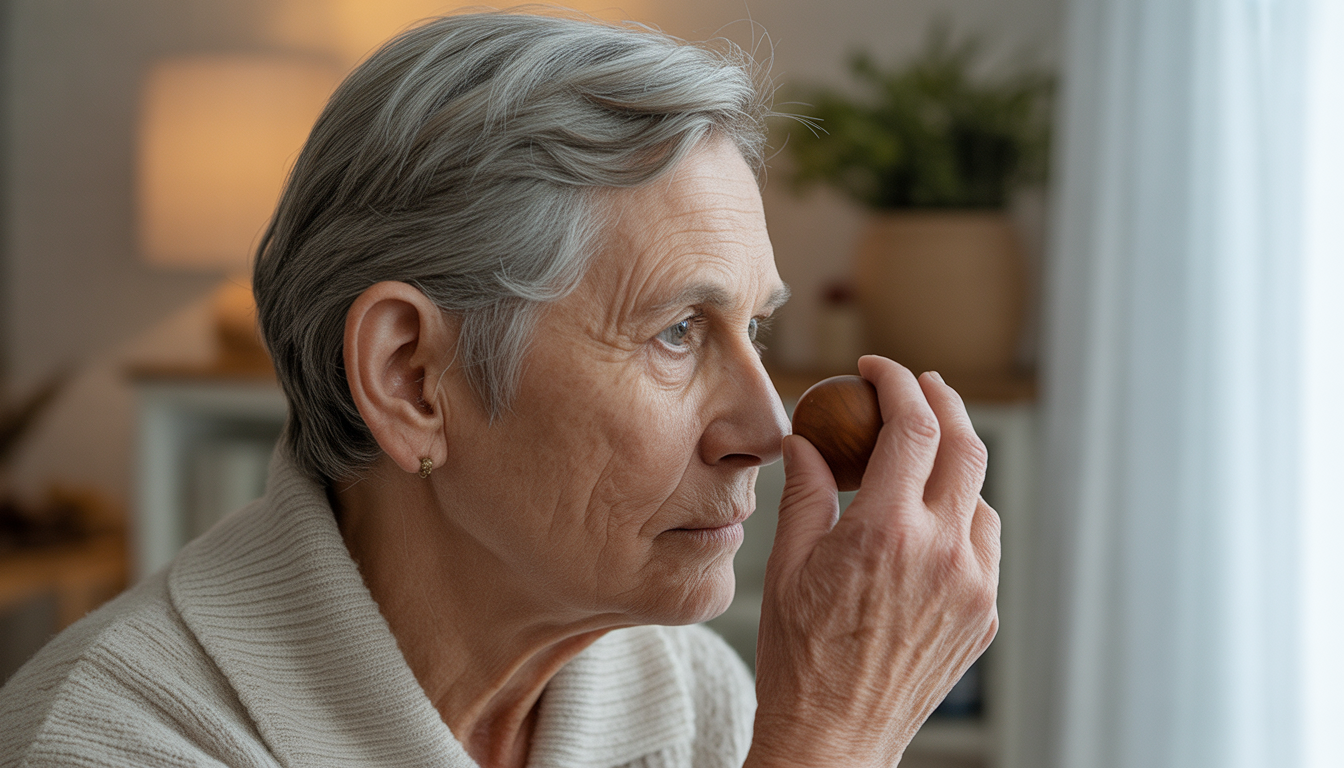
At the corner café, the Wi-Fi drops every ten minutes. Teenagers groan and shake their phones like the signal might fall out. At the front table, a silver-haired woman folds her newspaper, slips a bookmark into a real book, and leans in to listen to her friend. Their conversation is slow, punctuated by pauses and laughter. No filming. No scrolling later.
Walking out, it’s hard not to think: they’re doing something right. Something stubbornly old-school.
1) The real phone call (not endless messaging)
Ask anyone over 65 how they keep in touch and you’ll hear, “I call.” A proper sit-down conversation—no multitasking, no three-second clips. A retired nurse I met in Lyon calls her sister every Sunday at 6 p.m., “the way our mother did.” Sometimes ten minutes, sometimes an hour. Sometimes silence, just breathing on the line.
Why it works: humans regulate emotions better through voice than text. Tone, hesitation, warmth—those cues don’t fit in emojis. Text is efficient. Voice is relational.
2) Handwritten lists instead of twelve productivity apps
Watch a 70-year-old plan a day: pen on paper, coffee ring on the margin. Groceries, errands, one person to call. Jean, 74, writes three lines each morning—plus tiny notes like “Nice chat with neighbor.” It’s part to-do list, part memory archive.
Why it works: writing by hand engages more of the brain, anchors priorities, and doesn’t buzz every ten minutes. Paper waits. It doesn’t nag.
3) The slow walk with no earbuds
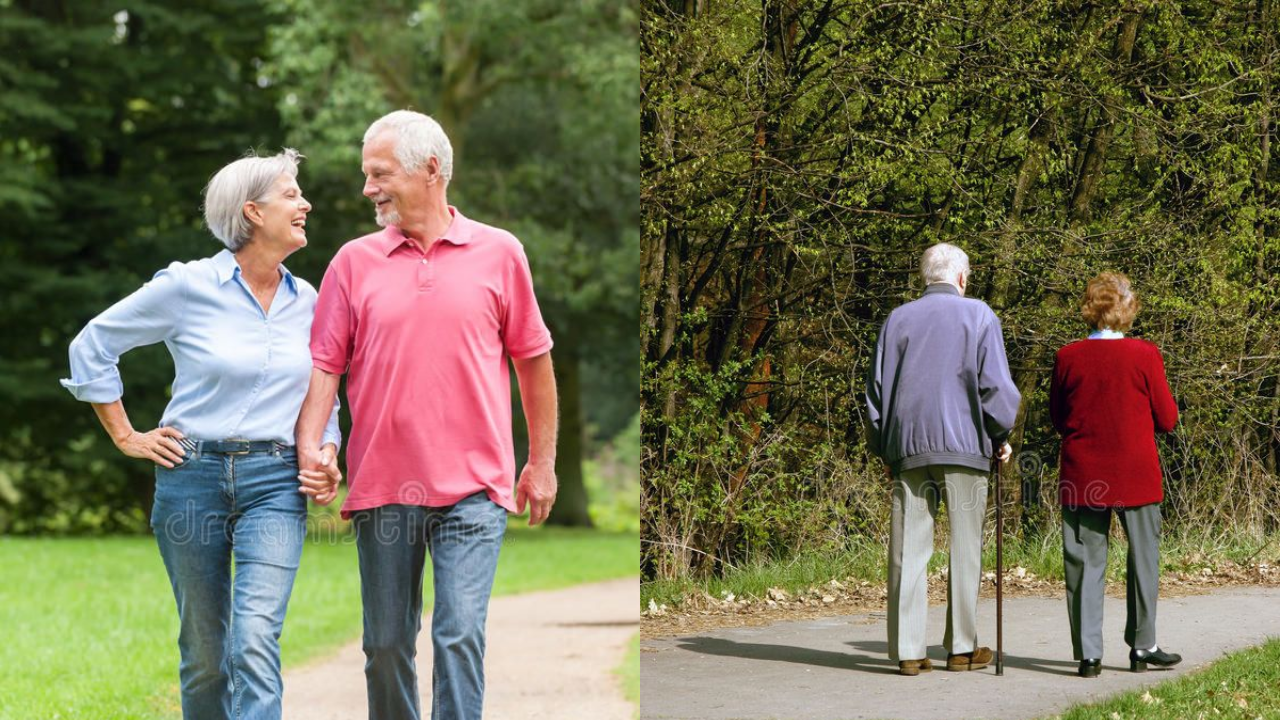
In the park, younger walkers clip by counting steps. An older couple ambles, stopping for a tree, a dog, a joke with the florist. No playlist. No rush.
Why it works: movement without constant input lets the nervous system breathe. You hear wind, notice light, feel grounded. Sometimes the most advanced wellness hack is walking around the block with empty hands.
4) Cooking from scratch and eating at an actual table
People in their 60s and 70s still cook—regularly enough that the kitchen smells like something real. Screens stay in the other room. Plates go on a table, not laps. A 72-year-old in London told me he baked bread during lockdown because “my phone couldn’t give me that smell.”
Why it works: cooking is tactile attention. You choose, chop, taste, adjust. It’s nourishment plus meaning—shared.
5) Print and paper (and the power of finishing)
On trains, younger heads bend to infinite feeds. Someone in their 70s opens a newspaper or a dog-eared novel. Printed pages have edges. You start. You finish. You stop.
Why it works: natural stopping points calm the mind and improve sleep. No auto-refresh. No “just one more.”
6) Small rituals of showing up
Visits. Volunteering. Remembering birthdays without reminders. A 66-year-old man near Madrid has a rule: three visits a week—to his sister, a widowed friend, and a neighbor. “That’s my social network,” he shrugs. “It works.”
Why it works: being needed is a powerful predictor of happiness. Presence beats notifications when life gets hard.
What these habits quietly ask us
This isn’t nostalgia. It’s rhythm. Older adults aren’t anti-tech—they use phones, video calls, online banking. They just refuse to let technology set the pace or depth of their days.
If a handwritten list calms them more than the smartest app, what does that say about overload? If a slow walk grounds them, why are we afraid of silence? None of these habits are expensive. They ask for attention, patience, and the courage to be briefly bored.
Maybe the question isn’t why they keep these habits—but what might happen if we borrowed a few.
Key points
| Habit | What it gives | Why it matters |
|---|---|---|
| Voice over text | Emotional nuance | Deeper connection |
| Analog planning | Clear priorities | Calmer mind, better memory |
| Screen-light routines | Sensory reset | Better sleep and presence |
| Cooking & table time | Shared meaning | Health + joy |
| Print reading | Natural endings | Less mental buzz |
| Showing up | Belonging | Long-term happiness |
FAQ
How can I start without ditching my phone?
Create tiny offline islands: one call instead of ten texts, one handwritten list, one short walk without earbuds.
What if everyone prefers messaging?
Propose experiments—a weekly call or a monthly phone-free meal. Some will resist; many will be relieved.
Isn’t this romanticizing older life?
Not perfect—just aligned with what research says helps: meaningful contact, routine, movement, and screen breaks.
I feel anxious offline. Normal?
Yes. Start small (10 minutes with a paper book). The discomfort fades as your nervous system adjusts.
Which habit helps most?
Regular voice or in-person conversations. Warmth travels best through tone and presence.