The woman in the mirror is 52.
She doesn’t feel old, but the grey at her temples has a way of announcing itself every three weeks, right on schedule. She ties her hair back and notices something strange: her face looks fresher that way. Softer. Almost younger.
She picks up the familiar tube of dye. The sharp chemical smell hits her nose, and a thought lands that surprises her:
“Why am I still doing this?”
That question is echoing in bathrooms, salons, and office restrooms everywhere. And quietly—without big ads or dramatic makeovers—traditional hair dye is starting to lose its grip.
From hiding grey to blending it: a subtle shift
Look around on the metro, in cafés, on video calls. Hair doesn’t look flat and helmet-like anymore. Instead, you see movement. Dimension. Grey threads woven into chestnut, silver melting into ash blonde, white strands catching the light instead of being erased.
This isn’t the bold “go fully grey overnight” movement from a few years ago. This is quieter. More nuanced. Colourists now talk about grey blending, tonal glazing, soft highlights, and plant-based stains instead of full, opaque coverage.
The goal has changed.
It’s no longer about looking 25 again.
It’s about looking well.
Why full coverage started aging people instead
Take Sophie, 46, busy job, two kids, zero patience for constant upkeep. She started colouring her hair at 40. By 44, she was dyeing every three weeks because the contrast between dark colour and white roots had become brutal.
If she skipped an appointment, people asked if she was tired.
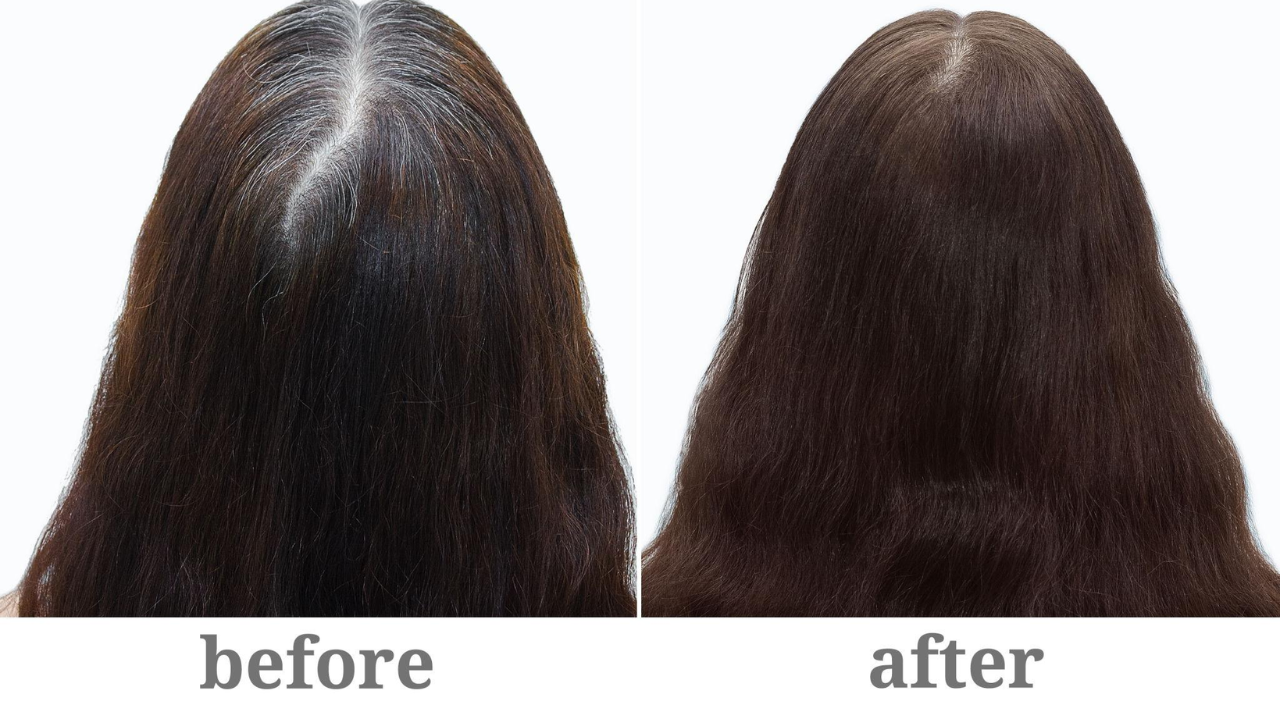
Last year, her colourist suggested something different: lighten her base slightly, add ultra-fine highlights, and finish with a translucent, ammonia-free toner that didn’t fully hide the grey.
Now her regrowth is barely noticeable. She visits the salon every 10–12 weeks. Friends say she looks younger—but no one can pinpoint why.
The reason is simple: contrast ages.
A solid, dark block of colour with stark white roots draws hard lines across the face. A softer blend blurs those lines, making skin appear smoother and features more relaxed.
How the new grey-friendly methods actually work
Instead of painting over grey like wall primer, these techniques work with it.
Colourists first map where grey appears: temples, parting, crown, or a single bold streak at the front. Then they design colour around that pattern.
For someone with 20–40% grey, that might mean:
- Micro-highlights slightly lighter than the natural base
- A translucent toner that softens the difference between pigmented and white hair
- Letting grey act as a highlight, not a flaw
The result? Regrowth that blends in. No harsh white bar at the scalp. No panic at week three.
At home, people are abandoning permanent dyes for gentler options:
- Henna and indigo blends for darker tones
- Cassia for golden warmth
- Vegetable-based semi-permanent dyes
- Colour-depositing masks used once a week in the shower
These products don’t penetrate deeply. They stain softly. Grey shows through just enough to create dimension—and that’s the magic.
Why “less perfect” looks more youthful
The biggest mistake people make is chasing their exact hair colour from their 20s. But hair texture, skin tone, and eye brightness change with time. That once-perfect espresso brown can suddenly harden the face. Too-cool ash can exaggerate fine lines.
Colourists consistently say the most flattering choice is:
- One to two shades lighter
- Slightly warmer
- More translucent than you think
Not “a photo from ten years ago.”
More like “present-day you, but well-rested.”
As one colourist put it:
“When people stop fighting their grey, their whole posture changes. They relax. And that’s what actually makes them look younger.”
The practical rules people are following now
- Choose transparency
Semi-permanent glazes and plant stains that let some grey show - Lighten the base slightly
Reduces root contrast and softens facial shadows - Work with your grey pattern
Make streaks and temples look intentional - Space out appointments
8–12 weeks instead of constant touch-ups - Protect hair health
Scalp oils before colouring, nourishing masks after, fewer harsh processes
A new relationship with age—and the mirror
This trend isn’t really about hair. It’s about renegotiating the idea that grey equals decline.
People in their 40s, 50s, and 60s aren’t trying to erase time anymore. They’re choosing middle paths: gentle blending, gradual transitions, silver streaks that feel stylish instead of shameful.
On social media, the language has changed. Less “my roots are a disaster.” More “I’m letting this streak grow—it’s actually beautiful.”
There’s relief in it. Fewer toxic fumes. Less panic at the mirror. Less money spent racing backwards.
And something unexpected happens: when people stop camouflaging, they start caring. Less heat styling. More conditioning. Better sleep. Health replaces concealment.
The irony is sharp and real:
by covering a little less, people often look more alive.
Key Takeaways
| Key Point | Detail | Why It Helps |
|---|---|---|
| Grey blending | Fine highlights + translucent toners | Softer regrowth, no harsh root line |
| Lighter tones | 1–2 shades lighter, slightly warmer | Brightens skin, softens features |
| Gentle products | Plant-based stains, semi-permanent glosses | Less damage, easier maintenance |
FAQ
Can I switch to grey blending after years of dark dye?
Yes, but it’s a transition. Expect gradual lightening and toning over several months, not a one-day fix.
Do natural or plant-based dyes fully cover grey?
They usually soften and stain grey rather than erase it. Grey becomes golden or silvery, not invisible.
How often do I need salon visits?
Most people stretch to every 8–12 weeks, with at-home glosses in between.
Does this work on curly or textured hair?
Absolutely. Blended grey adds depth to curls—just keep bleaching minimal and conditioning high.
What if I miss my old solid colour?
You can always add more coverage later. Many people just need a few weeks to adjust to the softer look.