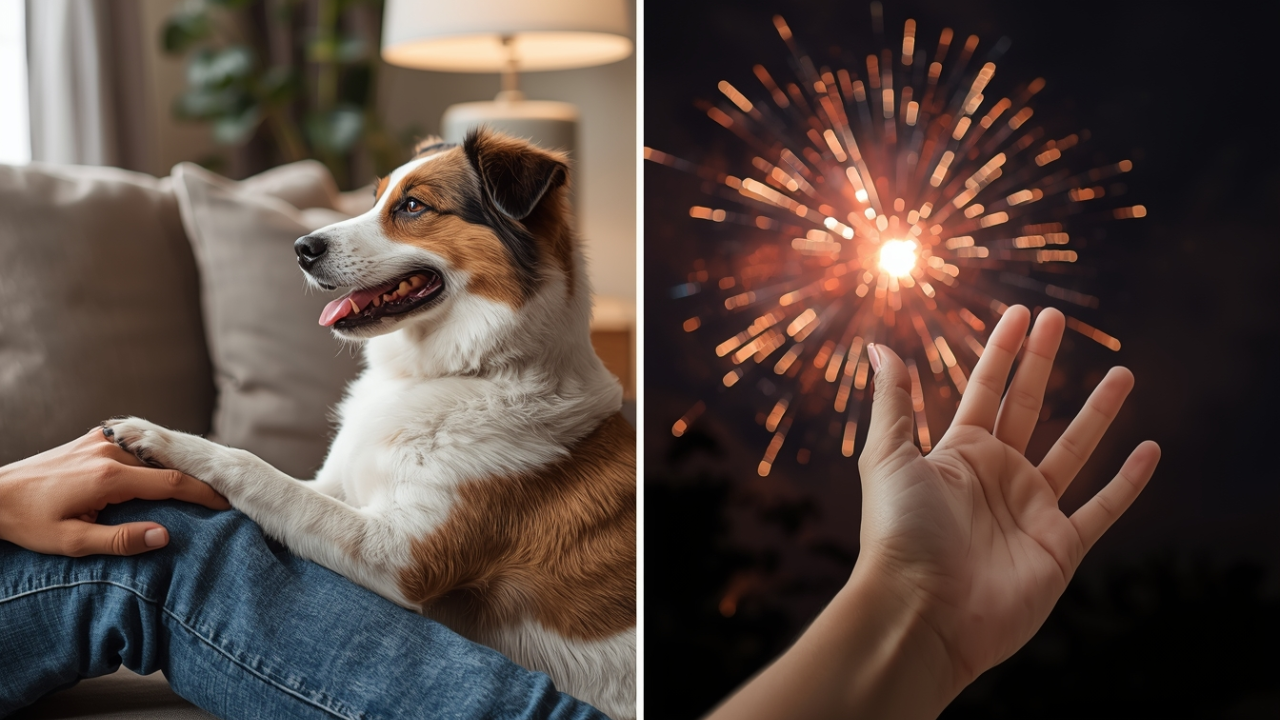
That soft paw resting on your knee often gets dismissed as a cute habit or a polite greeting. But animal behaviour specialists say it’s rarely that simple. When a dog deliberately places a paw on you, it’s using one of its clearest tools for communication — and the message is usually more specific than “I’m being sweet”.
Understanding why dogs do this can transform the way you respond, strengthen trust, and even help you spot stress or health problems earlier.
A deliberate form of communication, not a random gesture
Dogs don’t have hands, words, or text messages. What they do have is a finely tuned body language system built from posture, gaze, movement — and touch. Pawing is one of the few ways a dog can physically interrupt a human and force a response.
Behaviourists describe pawing as intentional contact, not accidental brushing. Even dogs that have never been taught to “shake” will use their paw naturally if they learn that it reliably gets attention.
In short:
your dog is not waving — it’s tapping you on the shoulder.
Why dogs rely on their paws to “talk”
A habit rooted in puppyhood
As puppies, dogs knead and paw at their mother’s belly to stimulate milk flow. That action teaches a powerful early lesson: pawing makes something happen.
As they grow and bond with humans, the instinct doesn’t disappear — it simply gets redirected. The caregiver changes, but the method stays the same.
Over time, dogs refine this into a precise signal aimed directly at you.
The most common reasons dogs give their paw
Experts generally group pawing into a few core motivations. Context decides which one applies.
1. Attention — the polite interruption
Many dogs paw gently when they feel ignored. Phones, laptops and televisions are frequent triggers.
What it usually means:
- “You’re distracted.”
- “Please acknowledge me.”
This is often calm, controlled pawing — one or two taps, not frantic scratching.
2. A practical request
Dogs are excellent at linking actions to outcomes. If pawing has ever resulted in food, water, or a door opening, it becomes a go-to signal.
Common scenarios:
- Empty water bowl
- Late dinner
- Closed door to the garden
- Leash hanging by the door
This type of pawing often happens in the same place and at the same time every day.
3. Seeking comfort or reassurance
In stressful situations — fireworks, arguments, unfamiliar places, loud guests — pawing can be a request for emotional safety.
This version often comes with:
- Leaning the body toward you
- Soft whining
- Wide or worried eyes
- Paw held slightly longer than usual
Here, the message is clear: “I don’t feel safe.”
4. Affection and bonding
Not all pawing is about need. Some dogs rest a paw on their owner during quiet moments — on the sofa, in bed, or while relaxing.
Key signs this is affection:
- Loose body
- Slow breathing
- Half-closed eyes
- Gentle, unmoving paw
This is the canine equivalent of keeping physical contact. It reinforces closeness and trust.
5. Learned behaviour that keeps paying off
If pawing has consistently led to treats, cuddles, or play, dogs will repeat it — even when nothing urgent is happening.
This doesn’t mean manipulation in a human sense. It simply means the behaviour has been rewarded.
The paw never acts alone: read the full body
Experts stress one rule above all others:
Never interpret the paw by itself.
It’s just one word in a full sentence written in posture, eyes, tail and muscle tone.
Quick body-language clues
| Body signals | Likely meaning |
|---|---|
| Loose tail, soft eyes, relaxed body | Affection or calm attention |
| Ears back, panting, tense muscles | Stress or anxiety |
| Forward lean, fixed stare, stiff tail | Pushy attention or over-arousal |
| Low head, weight shifted back | Fear or uncertainty |
Context matters just as much as posture. Pawing during a storm means something very different from pawing after a nap.
How to respond — without reinforcing bad habits
When it’s simple attention seeking
- Offer brief eye contact or a calm stroke
- Then redirect to an appropriate activity (toy, training cue, walk)
Avoid: long fussing every time, which teaches constant interruptions.
When it’s a real need
Check the basics immediately:
- Water
- Toilet access
- Temperature
- Signs of pain or discomfort
Ignoring this kind of pawing can lead to frustration or accidents.
When it signals anxiety
- Stay calm and speak softly
- Reduce noise or stimulation
- Allow access to a safe space or bed
Avoid frantic cuddling, which can unintentionally amplify stress.
When it’s pushy or rule-testing
This often happens in adolescent dogs.
Best response:
- Quietly withdraw attention
- Turn away or stand up
- Reward calm behaviour once the dog settles
Consistency matters more than firmness.
When pawing is a warning sign
Sometimes, pawing increases suddenly — and that deserves attention.
Red flags include:
- Pawing much more often than usual
- Pawing at night
- Pawing combined with restlessness or licking one body part
- Loss of appetite or reluctance to move
In these cases, pawing may be a pain signal, not a behavioural one. A veterinary check is worth considering.
The emotional cost of being ignored
Dogs that repeatedly try to communicate and get no response don’t just “stop caring”. They adapt — and not always in healthy ways.
Possible outcomes:
- Escalation to barking or destructive behaviour
- Withdrawal and learned helplessness
- Increased clinginess or separation anxiety
Responding thoughtfully to pawing builds confidence. Ignoring it entirely can erode trust.
Turning pawing into healthy communication
Many trainers suggest treating pawing like a conversation starter rather than a command.
Practical steps:
- Notice when pawing happens
- Identify patterns (time, place, trigger)
- Decide what you want to encourage
- Reward calm requests, not frantic ones
Some owners even keep a short log for a week. Patterns appear surprisingly fast.
Affection, stress, or strategy — the same gesture, different meanings
The same physical action can mean radically different things depending on the emotional state behind it. That’s why experienced dog handlers don’t ask “What is my dog doing?” but “Why is my dog doing it right now?”
Once you start reading pawing in context, it stops being mysterious — and starts feeling like what it really is: a shared language in progress.
Why this small gesture matters so much
Dogs live in a human-designed world they don’t control. Pawing is one of the few tools they have to influence it politely. When owners learn to interpret it accurately, everyday life becomes smoother, calmer and more respectful on both sides.
That gentle paw on your leg isn’t a trick.
It’s a message.
And once you understand it, you’re no longer guessing — you’re listening.