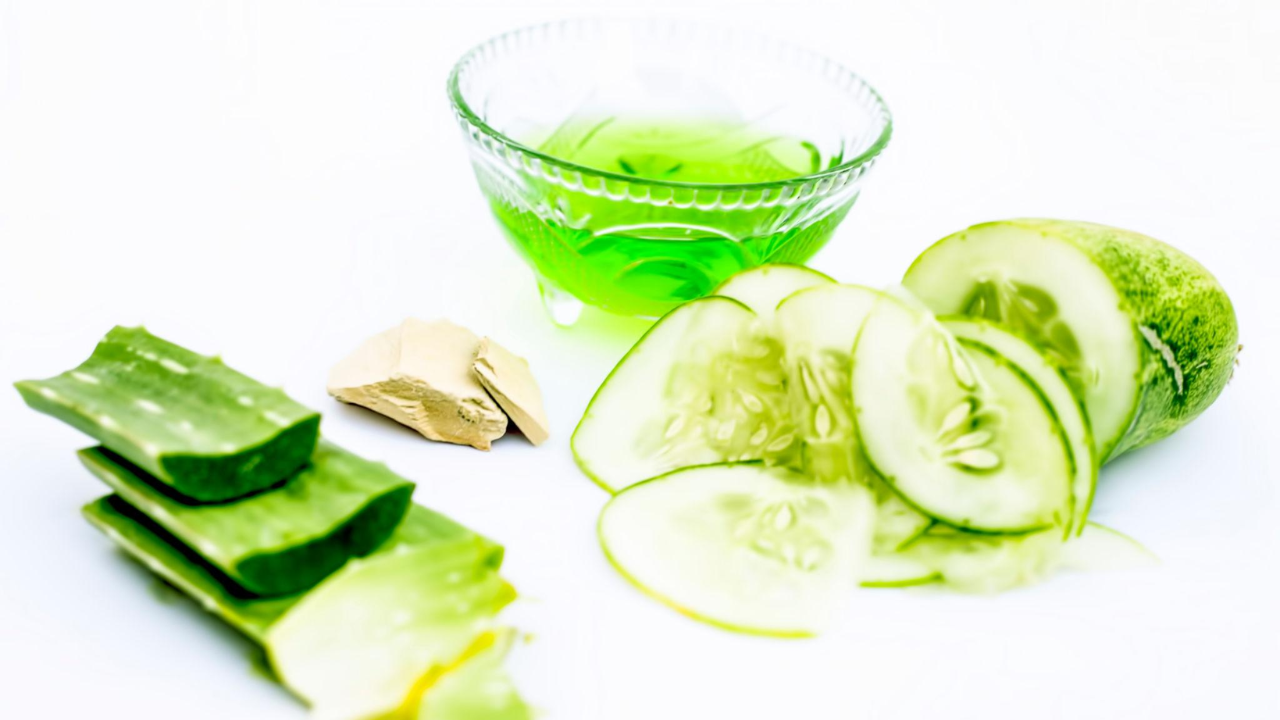
On social media feeds and bathroom shelves alike, a very old-fashioned skincare pairing is resurfacing—quietly and without much fuss. Instead of complex serums promising dramatic transformations, many people are reaching for two familiar plants: cucumber and aloe vera.
Blended together or layered simply, this duo is being praised for its light, cooling feel and its ability to calm stressed, overheated skin. The appeal isn’t about instant miracles. It’s about comfort, simplicity, and a refreshed look that feels natural rather than manufactured.
So why does this combination keep coming back, decade after decade?
Why Cucumber and Aloe Vera Work So Well Together
Cucumber and aloe vera complement each other in a way that makes practical sense for skin.
Cucumber is almost entirely water. When applied to the skin, it delivers an immediate cooling sensation and a quick hit of surface hydration. Aloe vera, by contrast, has a gel-like structure. It clings gently to the skin, helping hydration last longer instead of evaporating right away.
In simple terms:
- Cucumber cools and refreshes
- Aloe vera holds moisture in place
Together, they create a lightweight gel that spreads easily, absorbs relatively quickly, and doesn’t leave the heavy residue that many people dislike—especially in hot or humid weather.
For anyone trying to simplify their routine, that balance is a big part of the appeal.
What Cucumber Actually Does for Your Skin
Cucumber’s role in skincare isn’t just folklore. Its benefits are modest but real, especially for skin that feels tired, puffy, or overheated.
Surface Hydration and a Rested Look
Because cucumber is mostly water, it boosts hydration in the outermost layer of the skin. When used chilled, it also causes mild vasoconstriction—tiny blood vessels near the surface temporarily tighten.
This combination can:
- Reduce the appearance of puffiness
- Make skin look calmer and more even
- Give that familiar “rested” effect, especially around the eyes
That’s why cucumber slices have remained a classic for under-eye care. The effect isn’t permanent, but it’s noticeable and immediate.
Comfort for Heat-Stressed Skin
Many people find cucumber soothing after sun exposure, hot showers, or long days in dry, air-conditioned environments. The relief is mostly physical rather than chemical: cooling plus moisture helps ease that tight, uncomfortable feeling.
Cucumber doesn’t dramatically change skin structure. Its strength lies in quiet relief, not transformation.
How Aloe Vera Supports and Stabilizes the Mix
Aloe vera has earned a more permanent place in modern skincare, and texture plays a major role in that.
Unlike oils or thick creams, aloe vera gel:
- Feels light and breathable
- Forms a thin, flexible layer on the skin
- Reduces the feeling of tightness without heaviness
When combined with cucumber, aloe acts like a stabilizer. It “catches” cucumber’s watery content and turns it into something you can actually apply without it dripping away in seconds.
Short-Term Hydration and Comfort
Aloe vera contains natural sugars and polysaccharides that help the skin retain water for a little longer. This doesn’t create deep, long-term hydration, but it does improve surface comfort.
For people whose skin often feels slightly parched—especially on the cheeks or forehead—this can make a noticeable difference.
How to Make a Cucumber–Aloe Gel at Home
The appeal of this combination is how easy it is to prepare. You don’t need advanced tools or rare ingredients—just freshness and cleanliness.
Simple Step-by-Step Method
- Wash a fresh cucumber thoroughly. Peel it if you’re concerned about residues.
- Grate or blend part of the cucumber until it releases liquid.
- Strain for a smoother gel, or keep some pulp for a mask-like texture.
- Add pure aloe vera gel gradually, mixing as you go.
- Stop when the mixture forms a soft gel that doesn’t drip easily.
- Store in a clean container in the refrigerator.
- Use within 2–3 days and discard if the smell or texture changes.
Think of it as fresh food for your skin: simple, short-lived, and best kept cold.
How People Commonly Use It
The cucumber–aloe blend is flexible and can fit into different routines.
| Use | How to Apply | When It Helps Most |
|---|---|---|
| Cooling gel | Thin layer on clean skin | Hot days, flushed skin |
| Soothing mask | Thicker layer, 10–15 minutes | Tight or dull skin |
| Hydration booster | Light layer under moisturiser | When skin feels dry but oily creams feel heavy |
Used lightly, it layers well with sunscreen or a basic moisturiser.
Common Mistakes That Lead to Disappointment
Because this is a gentle, low-intensity treatment, unrealistic expectations are the main reason people feel underwhelmed.
Expecting Dramatic Results
This mix won’t:
- Erase deep wrinkles
- Permanently remove dark circles
- Repair serious sun damage
It works more like a glass of water than a medical treatment—refreshing, not restructuring.
Applying Too Much
Thick layers can feel sticky, take too long to dry, and irritate sensitive skin if left on for hours. A thin or moderate layer works best.
What Results You Can Realistically Expect
With consistent but sensible use, most people notice:
- Cooler, calmer skin
- Slightly smoother texture
- Reduced tightness and surface dryness
Fine dehydration lines may look softer right after application, but this effect is temporary. It’s cosmetic rather than structural—and that’s okay.
Many users value how this blend replaces heavier products on hot days, offering comfort without weight.
Who Benefits Most From This Combination
Cucumber and aloe vera tend to suit:
- Normal to slightly oily skin
- People who dislike greasy textures
- Anyone wanting a minimalist routine
It can also be a gentle introduction to skincare for teenagers or beginners, thanks to its low cost and short ingredient list.
When to Be Cautious
Even natural ingredients can cause reactions.
- Always patch test if you’ve reacted to aloe or plant-based products before.
- Very dry or mature skin may need this under a richer cream rather than on its own.
- It’s not a substitute for medical care for conditions like eczema or severe dermatitis.
What “Hydration” Really Means Here
In skincare terms, hydration usually refers to increasing water content in the outer skin layers, not altering oil production or repairing deeper damage.
Cucumber and aloe help with surface hydration and comfort. They don’t replace prescription treatments or advanced formulas designed for compromised skin.
Understanding that difference helps keep expectations realistic—and satisfaction higher.
Practical, Everyday Scenarios
- After a hot day: Use the gel straight from the fridge as a 10-minute mask to calm redness.
- Office air conditioning: Apply a thin layer in the morning, then moisturiser and sunscreen.
- Evening refresh: Light application after cleansing for a clean, relaxed feel before bed.
Used this way, cucumber and aloe become a supportive extra—not a miracle cure, but a reliable comfort step.
Why This Old Pairing Keeps Coming Back
The return of cucumber and aloe vera reflects a broader shift in skincare. Many people are stepping away from complicated routines and toward simple, low-pressure care that feels good on the skin.
This duo doesn’t shout. It doesn’t promise the impossible. It just does what it has always done: cool, hydrate, and soothe.
And sometimes, that’s exactly what stressed skin needs.