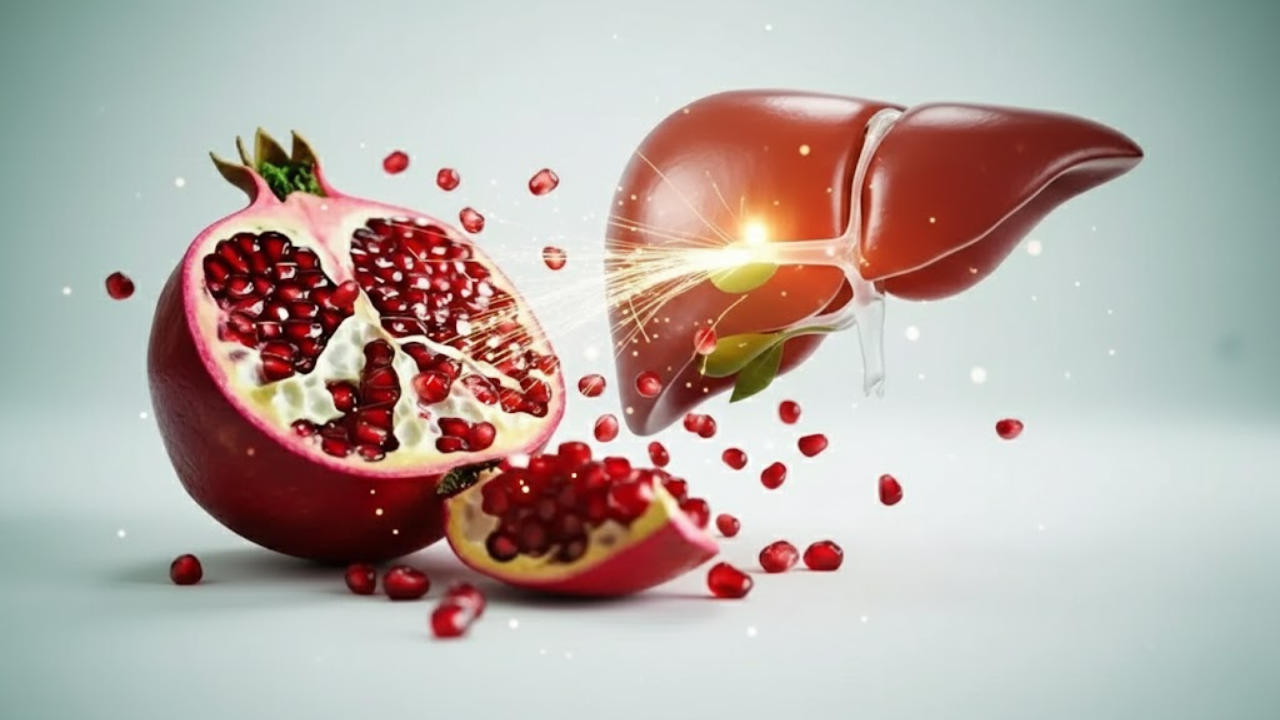
The liver works quietly, constantly, and without complaint. Every day, it filters toxins from the blood, regulates cholesterol, processes nutrients, balances hormones, and helps digest fats. Yet despite being one of the hardest-working organs in the body, it’s often one of the most neglected when it comes to daily nutrition.
In recent years, nutrition researchers have taken a closer look at foods that don’t promise unrealistic “detox miracles,” but instead support the liver’s natural ability to protect and repair itself. Among all the candidates, one fruit is consistently gaining attention for its unique combination of antioxidants and anti-inflammatory compounds: pomegranate.
Far from being just a colorful garnish or festive snack, pomegranate is emerging as a serious ally for liver health — with research suggesting it may help reduce liver fat, lower inflammation, and even support the regeneration of liver cells.
Why the Liver Needs Extra Care Today
Modern lifestyles place the liver under constant pressure. Highly processed foods, excess sugar, refined carbohydrates, alcohol, environmental toxins, certain medications, and long periods of inactivity all increase the liver’s workload.
Unlike acute liver disease, liver stress often develops silently. Many people feel “off” long before anything shows up in blood tests. Common early signs include:
- Persistent fatigue or low energy
- Brain fog or poor concentration
- Digestive discomfort or bloating
- Difficulty losing weight
- Rising cholesterol or triglyceride levels
Because the liver has no pain receptors, damage can progress for years without obvious warning. That’s why prevention — not just treatment — is so important.
Nutrition plays a central role here, and this is where pomegranate enters the picture.
Why Pomegranate Stands Out for Liver Health
Pomegranate is exceptionally rich in polyphenols, a class of plant compounds known for powerful antioxidant and anti-inflammatory effects. What makes pomegranate unique is not just the quantity of these compounds, but their diversity and biological activity.
Key compounds in pomegranate include:
- Punicalagins – potent antioxidants found almost exclusively in pomegranate
- Ellagic acid – linked to reduced oxidative stress and improved fat metabolism
- Anthocyanins – pigments that protect cells from inflammation and aging
Rather than “detoxing” the body directly (a common myth), pomegranate supports the liver’s own detox systems, helping it function more efficiently and with less cellular damage.
Oxidative stress and chronic inflammation are two major drivers of liver disease. Pomegranate helps calm both, creating a healthier internal environment for liver cells to survive and repair.
Pomegranate and Fatty Liver Disease
One of the fastest-growing liver conditions worldwide is non-alcoholic fatty liver disease (NAFLD). It occurs when excess fat accumulates in liver cells, often linked to insulin resistance, obesity, and poor diet. In more severe cases, it can progress to inflammation (NASH), fibrosis, and eventually cirrhosis.
Research has shown that pomegranate compounds may help address several underlying mechanisms of fatty liver:
- Reduced oxidative stress that damages liver cells
- Lower inflammatory signaling in liver tissue
- Improved lipid metabolism, helping the liver process fats more efficiently
Ellagic acid, in particular, has been studied for its role in regulating fat storage and inflammatory pathways in the liver. While pomegranate is not a cure, it can be a meaningful dietary support when combined with lifestyle changes such as improved diet, regular exercise, and reduced alcohol intake.
Supporting the Liver’s Natural Ability to Regenerate
The liver is one of the few organs capable of regenerating itself. When conditions are favorable, damaged liver cells can be replaced with healthy ones. However, regeneration slows when inflammation, oxidative stress, and fat accumulation are present.
Pomegranate helps remove these roadblocks:
- Antioxidants reduce cellular damage
- Anti-inflammatory compounds calm chronic irritation
- Improved fat metabolism reduces stress on liver cells
By easing these burdens, pomegranate supports the liver’s inherent repair mechanisms, rather than forcing unnatural detox processes.
This makes it especially valuable for people in the early stages of liver stress or those looking to protect long-term liver function as they age.
Other Fruits That Support Liver Health
While pomegranate is a standout, liver health benefits from dietary variety. Several fruits complement pomegranate by supporting digestion, detox pathways, and antioxidant defenses.
| Fruit | Key Compounds | Liver Benefits |
|---|---|---|
| Lemon, Orange, Grapefruit | Vitamin C, flavonoids | Support detox enzymes, reduce oxidation |
| Apple | Pectin, polyphenols | Helps eliminate toxins and excess cholesterol |
| Berries (blueberries, raspberries, strawberries) | Anthocyanins | Protect liver cells, reduce fat buildup |
| Pomegranate | Punicalagins, ellagic acid | Reduces inflammation, supports regeneration |
Together, these fruits create a nutritional safety net that protects the liver from daily stress.
How to Add Pomegranate to Your Diet
The most beneficial part of the pomegranate is the arils — the jewel-like seeds inside the fruit. They contain fiber, antioxidants, and polyphenols in their most natural form.
Simple ways to enjoy pomegranate:
- Sprinkle seeds over oatmeal or yogurt
- Add to leafy salads with olive oil and nuts
- Mix into lentils, quinoa, or grain bowls
- Blend a small handful into smoothies with berries
- Eat fresh as a snack
⚠️ A note on juice: Many commercial pomegranate juices are high in sugar and lack fiber. Excess sugar can strain the liver, so whole seeds are a better choice than juice.
How Much Pomegranate Is Enough?
There’s no strict dosage, but nutrition experts generally suggest:
- Half a pomegranate or a small bowl of seeds, several times per week
Consistency matters more than quantity. Including pomegranate regularly as part of a balanced diet is more effective than consuming large amounts occasionally.
People taking medications that affect liver enzymes should consult a healthcare professional before using concentrated pomegranate extracts or supplements.
Who May Benefit the Most?
Pomegranate can be especially helpful for:
- People with early signs of fatty liver
- Individuals with rising cholesterol or triglycerides
- Adults over 40 managing metabolic changes
- Those who consume alcohol and want liver support
- Anyone aiming to protect long-term liver health
It is not a replacement for medical treatment, but it can be a powerful nutritional ally.
The Bottom Line
Pomegranate is emerging as one of the most liver-supportive fruits available. Its unique combination of antioxidants, anti-inflammatory compounds, and fiber helps protect liver cells, reduce fat accumulation, and support the liver’s remarkable ability to regenerate itself.
That said, no single food can compensate for a consistently unhealthy lifestyle. Liver health depends on the bigger picture: balanced nutrition, physical activity, limited alcohol, and reduced ultra-processed foods.
Think of pomegranate not as a miracle cure, but as a strategic upgrade — a simple, natural way to support one of your body’s most vital organs every day.