The first sign of change didn’t come from a forecast map or a breaking weather alert. It came quietly, from everyday life. A baker on a corner street, who only days earlier had been sealing his shop against icy drafts, suddenly propped his door open at dawn. The sound outside wasn’t crunching snow anymore, but the steady drip of melting ice, like a leaky tap that refused to stop.
January’s cold waves—those weeks of frozen pavements, stalled trains, and numbed fingers—still feel close enough to touch. Yet, almost overnight, the atmosphere has shifted. The weather models for February 2026 are now out, and they paint a picture that’s far less rigid than the winter we just endured.
Not warmer in a simple sense.
Not colder either.
More restless. More unpredictable.
Meteorologists describe it as a month of contrast, where winter doesn’t end so much as lose its grip and start arguing with itself.
February 2026: From Deep Freeze to Weather Whiplash
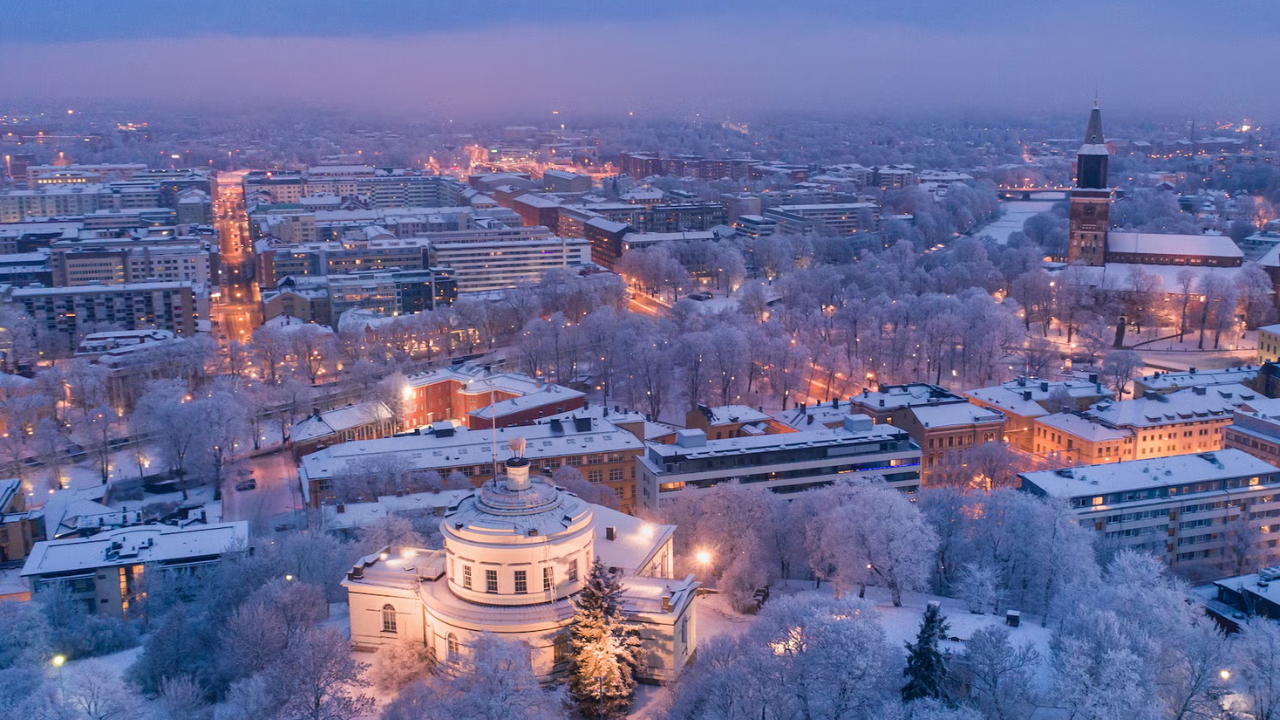
January felt like a test of endurance. Two major cold waves locked polar air over large parts of Europe, dragging temperatures well below seasonal averages. Snowfall became routine rather than remarkable. People adjusted—heavy boots by the door, cars dug out daily, and daylight that seemed exhausted before mid-afternoon.
Then the February outlook arrived.
Instead of a clean continuation of winter, the models suggest something far messier: rapid temperature swings, colliding air masses, and frequent changes that refuse to settle into a pattern.
Early February is expected to open milder than average in many regions, particularly across western and central Europe. Daytime temperatures could climb 8–10°C above normal at times, especially under thick, overcast skies fed by Atlantic air. But this won’t be a smooth transition.
Cold air hasn’t vanished—it’s fractured. Pockets of it linger near the surface and over northern regions, waiting for the right alignment to spill south again. When that happens, rain can quickly turn to wet snow, winds pick up, and temperatures plunge overnight.
In practical terms, February 2026 looks like a month where:
- One week starts with mild, damp conditions
- Ends with frost, sleet, or snow at elevation
- Then swings back again before anyone fully adjusts
Think sneakers on Monday, snow boots by Friday.
What’s Driving the Chaos in the Atmosphere?
The engine behind this volatility is a highly dynamic jet stream.
In January, large blocking high-pressure systems distorted the usual west-to-east flow, allowing Arctic air to settle stubbornly over the continent. As February begins, those blocks weaken. The jet stream speeds up—but instead of smoothing things out, it begins to wobble.
That wobble funnels a train of Atlantic low-pressure systems across Europe. Each system brings its own personality:
- Some arrive with gusty winds and coastal warnings
- Others unload prolonged rainfall
- A few bring classic “rain in the city, snow in the hills” setups
Where warmer Atlantic air collides with lingering cold near the ground, the atmosphere responds with turbulence: wind, fog, heavy precipitation, and sudden changes over short distances.
This is why forecasters are careful with language. February 2026 isn’t being described as “warm” or “cold.” It’s being described as unstable.
As one briefing summed it up:
This winter looks less like a postcard and more like a series with too many plot twists.
What This Means for Daily Life on the Ground
The most noticeable shift for many people won’t be temperature alone—it will be how the cold feels.
The sharp, dry bite of January’s Arctic air gives way to a damp, penetrating chill. Even when thermometers read higher, the moisture makes conditions feel uncomfortable, especially in the mornings and evenings.
Forecast trends suggest:
- More wet days than average in western regions
- Frequent cloud cover, limiting bright winter sunshine
- Faster snowmelt at low elevations during mild spells
That melting snow raises another issue: water. Rapid thaws combined with heavy rain can swell rivers and saturate ground quickly. Flood advisories may become more common, especially in areas already holding January’s snowpack.
For commuters, this creates a familiar frustration: dry roads one evening, slick surfaces the next morning. Fog in valleys, wind on exposed routes, and rain that turns heavy with little warning.
February 2026 won’t reward autopilot thinking.
A Different Story in the Mountains
While lowlands deal with mud and melt, higher elevations may see a very different outcome.
Each mild Atlantic push is likely to end with a colder northerly flow, meaning repeated snowfall at altitude. Ski resorts and mountain communities could benefit from fresh snow, even as valleys below struggle with slush and runoff.
This split personality—rain below, snow above—will define much of the month. It’s also why city forecasts won’t tell the whole story for anyone heading into the hills.
Why Short-Term Forecasts Matter More Than Ever
Long-range forecasts give the mood of a month.
Short-range forecasts decide your day.
February 2026 is shaping up as a classic example. The broad outlook says “changeable,” but the details—wind gusts, overnight freezes, sudden rain bands—will vary sharply from one system to the next.
This is a month where checking the forecast 48 hours ahead is more useful than reading a seasonal summary.
Meteorologists are repeating the same advice:
- Don’t plan outfits, commutes, or outdoor events a week in advance
- Watch how quickly pressure systems are moving
- Pay attention to wind forecasts, not just rain icons
Long range sets expectations. Short range sets survival.
How to Live With a Jumpy February Sky
There’s a small mindset shift that makes months like this easier: stop asking “What will February be like?” and start asking “What will Wednesday feel like?”
Planning in two-day windows aligns better with the atmosphere’s rhythm this year. It keeps stress down and flexibility up.
A practical checklist for February 2026:
- Keep both a heavy winter coat and a lighter jacket accessible
- Treat wind warnings seriously, even on “mild” days
- Expect rapid snowmelt after warm spells; watch local river updates
- Always have a backup indoor plan for outdoor activities
- For mountain trips, follow specialist forecasts, not city apps
One common mistake during unstable winters is abandoning layers too early after a sunny afternoon. Another is dismissing rain as harmless, ignoring how wind and saturation amplify its impact.
January’s snow also left a psychological imprint. Many people feel almost betrayed watching it dissolve into grey drizzle. That emotional fatigue is real.
The key is expectation management.
February isn’t broken—it’s behaving exactly as predicted.
A Winter That Refuses to Choose a Side
Viewed in isolation, February 2026 won’t stand out as the coldest or warmest on record. What will define it is hesitation.
Cold retreats, then lunges back.
Mild air arrives, overstays, then gets shoved aside.
Snow refuses to stay put. Rain arrives sideways. Sun appears briefly, like a guest who forgot why they came.
This is less a conclusion to winter than a negotiation.
Some will enjoy the milder afternoons. Others will miss the dry, frozen calm of early January. Most people will simply juggle umbrellas, scarves, and half-charged phones while refreshing radar maps one more time before stepping outside.
If January was about endurance, February 2026 is about agility.
You don’t control the pattern—but you can control how rigidly you cling to plans. Some will adapt by reorganising commutes, others by moving workouts indoors, and a few by buying better boots and getting on with it.
The plain truth is simple:
The weather won’t wait for us to feel ready.
And there’s something oddly unifying about that. Bakers, bus drivers, students, nurses, parents—everyone glancing at the same forecast animation before opening the door.
February 2026 won’t be remembered for extremes.
It will be remembered as the month winter couldn’t make up its mind.
Key Takeaways at a Glance
| Key Point | Detail | Why It Matters |
|---|---|---|
| Weather whiplash | Alternating mild spells and colder drops | Plan clothing and travel realistically |
| Dynamic jet stream | Frequent Atlantic lows and windier periods | Higher risk of rain, storms, disruption |
| Wet conditions | Increased rain and snowmelt | Flood awareness becomes important |
| Short planning windows | 48-hour forecast focus | Reduces stress from sudden changes |