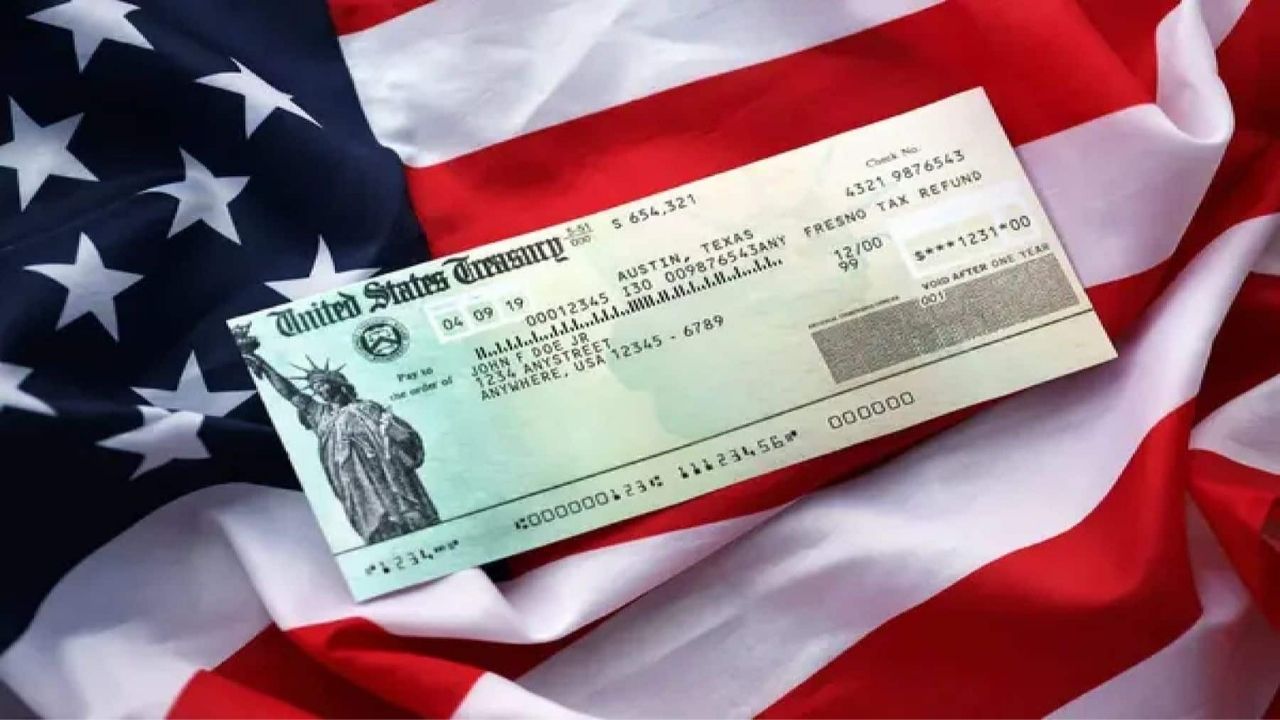
As the holiday season approaches, millions of Americans are receiving a much-needed financial boost. The Internal Revenue Service (IRS) has officially announced a direct deposit relief payment of $1,390, scheduled for December 2025. This payment comes at a crucial time when families across the country are managing holiday expenses, paying bills, and planning for the upcoming year. For many, this relief payment is not just a financial lifeline but also a welcome sign of government support during uncertain economic times.
Why the IRS is Issuing Relief Payments
The IRS has explained that these relief payments are part of a broader federal effort to assist households struggling with rising costs. Inflation, energy bills, and everyday living expenses have steadily increased over the past year, creating financial pressure for many Americans. The $1,390 direct deposit payment aims to provide immediate relief and help citizens meet essential needs.
Historically, the IRS has distributed economic impact payments during periods of economic difficulty, such as the COVID-19 pandemic. These payments were designed to stimulate the economy while offering direct assistance to individuals and families. The December 2025 payment follows a similar model, targeting those who qualify based on income thresholds and tax filing information.
Who is Eligible for the December 2025 Payment
Eligibility for the $1,390 relief payment is primarily based on 2024 tax filings and adjusted gross income (AGI). Individuals with an AGI below a certain threshold will automatically receive the payment, while others may need to take additional steps to qualify. The IRS has emphasized that most eligible taxpayers do not need to apply or submit new documentation, as the agency can process payments using existing tax records.
Additionally, special consideration is being given to seniors, veterans, and low-income households. By prioritizing these groups, the IRS hopes to ensure that those most in need receive timely assistance. The agency has also clarified that dependents and families with multiple qualifying members may receive adjusted amounts based on household composition.
How the Payment Will Be Delivered
For most eligible Americans, the $1,390 payment will be deposited directly into bank accounts linked to their IRS records. Direct deposit is preferred due to its speed and security. For those without bank accounts on file, the IRS will issue paper checks or prepaid debit cards.
The IRS recommends that recipients verify their bank account information through the official IRS portal to prevent delays. Payments are expected to begin arriving in early December, and the IRS has promised regular updates on the processing schedule. By using direct deposit, the IRS aims to minimize processing time and ensure that funds reach taxpayers before the holiday season.
The Economic Impact of Relief Payments
Direct financial assistance from the government has a significant impact on local economies. When individuals receive relief payments, they are more likely to spend on essential goods, holiday purchases, and local services. This spending stimulates economic activity and supports businesses struggling with supply chain disruptions and increased operating costs.
Economists have long studied the multiplier effect of such payments, noting that every dollar distributed to consumers tends to generate more than a dollar in economic activity. By putting money directly into the hands of citizens, relief payments create a ripple effect that benefits both families and local communities. In the context of December 2025, this payment could help stabilize consumer confidence and encourage holiday spending, which is crucial for retailers and service providers.
How to Track Your Payment
The IRS has provided an online tool for taxpayers to track their relief payments. This “Get My Payment” feature allows individuals to check the status of their direct deposit or paper check and see estimated delivery dates. The tool is user-friendly and updated regularly, ensuring that taxpayers can monitor their payments in real time.
For those expecting a direct deposit, the IRS advises keeping an eye on bank statements during the first weeks of December. Paper checks may take longer to arrive, so patience is recommended. In case of delays or errors, the IRS encourages contacting their helpdesk or using the official online resources to resolve issues quickly.
Tax Implications of the Relief Payment
It is important for recipients to understand that the $1,390 relief payment is generally not considered taxable income. This means that individuals do not need to report the payment on their 2025 federal tax return. The IRS has clarified that these payments are considered advance relief and will not affect existing tax obligations.
However, taxpayers should retain records of the payment for personal reference. Documentation may be useful for verifying eligibility, reconciling bank statements, or in case of future IRS inquiries. Maintaining clear records ensures transparency and helps taxpayers avoid confusion when preparing tax returns in 2026.
Common Questions and Concerns
While many Americans welcome the relief payment, there are some common questions and concerns. For example, some taxpayers may wonder why they have not yet received a payment, or why the amount differs from $1,390. In most cases, differences arise due to eligibility criteria, household composition, or the method of payment delivery.
Another frequent concern involves potential scams. The IRS has warned taxpayers to be vigilant against fraudulent emails, phone calls, or text messages claiming to offer the relief payment. The agency emphasizes that legitimate payments will never require upfront fees or personal banking information beyond what is already on file. Being cautious and using official IRS resources helps protect against identity theft and financial fraud.
Planning Ahead with the Relief Payment
Receiving a $1,390 relief payment can make a meaningful difference, especially during the holiday season. Financial experts recommend using the payment strategically. Some may choose to cover essential bills, pay down debt, or set aside funds for future expenses. Others may use a portion for holiday gifts or small personal indulgences, balancing immediate needs with long-term planning.
By approaching the relief payment thoughtfully, individuals and families can maximize its impact. Even a single direct deposit can ease financial stress, create opportunities for meaningful experiences, and provide a buffer against unexpected expenses. The December 2025 payment is not just a financial injection but also an opportunity for better money management and planning for the new year.
The Broader Context of Federal Assistance
The December 2025 relief payment fits into a broader context of federal assistance programs aimed at supporting citizens during times of economic challenge. Alongside stimulus payments, other initiatives such as child tax credits, energy assistance programs, and social welfare benefits collectively help households maintain financial stability.
The IRS continues to play a central role in administering these programs efficiently and equitably. By leveraging tax records and direct deposit capabilities, the agency can distribute funds quickly while minimizing administrative burdens. For policymakers, relief payments are a tool to address immediate financial pressures while complementing longer-term economic strategies.
Looking Forward
As December 2025 approaches, eligible Americans can look forward to the direct deposit relief payment as a tangible form of government support. While it may not solve all financial challenges, the $1,390 injection can provide meaningful assistance, particularly for those facing heightened economic pressures.
Beyond the immediate benefits, the payment serves as a reminder of the role government programs can play in supporting citizens. It highlights the importance of planning, transparency, and accessibility in public policy, ensuring that resources reach those who need them most.
For families, seniors, and individuals anticipating this relief payment, the coming weeks promise both financial relief and a measure of reassurance. By understanding eligibility, tracking the payment, and using funds thoughtfully, recipients can navigate the holiday season with greater confidence and stability.
FAQs
Q1: Who is eligible for the $1,390 IRS relief payment?
A. Eligible U.S. taxpayers meeting IRS income and filing criteria will receive the payment.
Q2: When will the December 2025 payment be deposited?
A. The IRS has scheduled direct deposits throughout December 2025. Exact dates depend on taxpayer records.
Q3: How will I receive the payment?
A. Payments will be sent via direct deposit to the bank account on file or as a mailed check if no account is linked.