In today’s digital age, mobile apps have become an integral part of our daily lives. Making payments, paying utility bills, sending money to friends or family instantly—all these tasks are now completed in a matter of seconds. This fast and convenient system has undoubtedly made life easier, but it has also brought with it several new concerns related to privacy, data security, and consumer rights. When a company sends promotional messages to consumers’ private mobile numbers without their consent, it becomes not just an inconvenience but also a violation of the law. In this context, a major class-action lawsuit filed against the popular American digital payment app Cash App has been in the news, proving that consumer rights are paramount even in the digital world.
The Beginning of the Cash App Controversy: How Did the Case Arise?
The root of this entire controversy lies in the complaints filed by several Cash App users. These users claimed that they received promotional SMS messages from the company for which they had never given their consent. These messages included information about new features, cash bonuses, referral offers, and other marketing material. At first glance, this might seem like normal advertising, but the real problem was that many users had never “opted in,” meaning they had not given permission to receive such messages.
These unsolicited messages not only caused inconvenience to people but were also considered a violation of federal laws in the US that protect consumers from spam and unwanted digital marketing. When it became clear that the issue was not limited to just a few people but was affecting a large number of consumers, it was transformed into a class-action lawsuit. To avoid a long and costly legal battle, Cash App’s parent company decided to settle out of court.
The $12.5 Million Settlement: What Does It Really Mean?
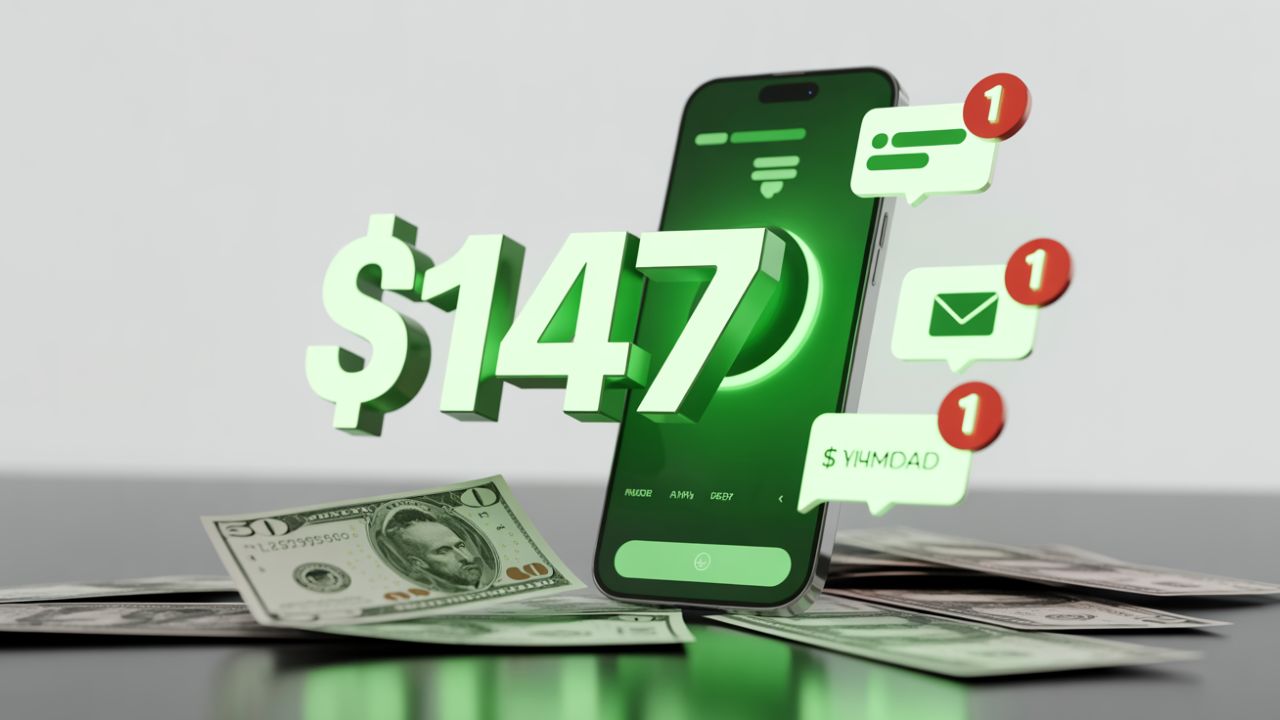
Under this settlement, Cash App had to pay a total of $12.5 million (more than 100 crore Indian rupees). This amount was not just a fine, but was intended to compensate consumers whose rights had been violated. The most talked-about aspect of this settlement is that eligible users were to receive up to $147.
While this amount may not seem like much to some, its symbolic significance is immense. It demonstrates that if a company disregards consumer privacy and consent, it can face serious consequences—no matter how large the tech or fintech company may be.
Who Will Receive $147? Complete Eligibility Details
It’s important to understand that not every Cash App user will automatically receive this amount. There are specific eligibility criteria. The first condition is that the individual must have received unsolicited promotional SMS messages from Cash App between 2019 and 2025. The second important condition is that the user must have resided in the United States during that period.
Additionally, the mobile number that received these messages must be linked to the user’s active Cash App account. If a person meets all these conditions, they will be considered eligible for payment under this settlement. The payment method also depends on the user’s preference—the amount can be deposited directly into the Cash App account or a check can be sent via mail.
How to File a Claim? Understand the Entire Process in Simple Language
The claim process for this settlement has been deliberately kept simple so that as many eligible people as possible can benefit. First, the user must confirm that they actually received unwanted promotional messages during the specified time period. Next, you will need to fill out an official claim form, which will request basic information such as your name, contact details, and the mobile number associated with your Cash App account.
When filling out the form, users can also choose their preferred payment method—direct deposit or check. The most important thing to remember is that the claim must be submitted within the specified deadline. Claims submitted after the deadline may be rejected. It is also advised to be wary of any agents or websites that charge a fee for filing a claim, as the official process is completely free.
Why is this settlement so important?
This case is not just about a $147 payment. In fact, it highlights the power of consumer rights in the digital age. The court and the law send a clear message that no matter how large a company is, it must respect consumer consent and privacy.
Furthermore, this case could set a precedent for other class-action lawsuits related to digital communication and marketing in the future. This will put pressure on other tech and fintech companies to strictly enforce their privacy policies and avoid any unauthorized marketing.
Lessons for Users and Companies
For users, thisThis case serves as both a warning and a lesson. People should pay attention to the messages they receive on their mobile phones, regularly check the privacy settings and marketing preferences of their apps, and report any unwanted messages. This awareness can help prevent similar incidents in the future.
For companies, this is a clear signal that marketing without consent not only erodes consumer trust but can also lead to significant legal and financial consequences. Transparency and consent are no longer options, but necessities.
Conclusion: Vigilance is the Greatest Security in the Digital Age
This $12.5 million settlement between Cash App and its users underscores the importance of consumer rights in the digital age. While the $147 payout to eligible users is a tangible benefit, the real message is far more significant. This case reminds us that technology should be used for convenience, not at the expense of privacy.
If you are eligible for this settlement, filing a claim promptly is a way to assert your rights. Furthermore, this incident serves as a lesson for everyone: being vigilant and aware of your rights in the digital world is more crucial now than ever before.
FAQs
Q1. What is the Cash App $147 settlement about?
It is a class action settlement for users who received unsolicited promotional text messages from Cash App without consent.
Q2. Who is eligible to receive the payment?
U.S. users who received unwanted Cash App marketing SMS between 2019 and 2025 may qualify.
Q3. How much money can eligible users receive?
Eligible users can receive up to $147, depending on the number of valid claims.
Q4. How will the payment be sent?
Payments will be made either through direct deposit to a Cash App account or by mailed check.
Q5. Is there a fee to file a claim?
No, filing a claim is completely free, and users should avoid third parties asking for payment.